
Have you noticed water pooling around your water heater? A leak from the side panel can be frustrating and concerning. It often signals a problem that needs immediate attention, but don’t worry—you’re not alone in facing this issue.
Many homeowners experience this at some point, and understanding the cause can save you time, money, and hassle. In this article, you’ll learn about the common reasons behind a leaking water heater and what steps to take next. By the end, you’ll feel more confident in addressing the problem and keeping your home safe and dry.
Key Takeaways
- Common Causes of Leaks: Key reasons for water heater leaks include corroded tanks, loose connections, faulty temperature and pressure relief valves, damaged gaskets, condensation, and issues with the drain valve.
- Identifying Symptoms: Homeowners should be vigilant for signs of leaks such as puddles around the unit, water stains on nearby surfaces, and unexplained increases in water bills.
- Immediate Actions: If a leak is detected, turn off the power and water supply, inspect the unit for the source of the leak, and use temporary measures like waterproof tape to contain the issue until a permanent fix can be implemented.
- When to Seek Professional Help: Contact a licensed plumber when leaks worsen, multiple signs of damage appear, or if there’s uncertainty over DIY repairs. Professional assistance can prevent further complications.
- Regular Maintenance: Routine inspections, pressure relief valve testing, and flushing the tank can enhance the water heater’s lifespan and reduce the risk of leaks.
- Empower Yourself: Understanding the causes and signs of water heater leaks helps homeowners proactively address issues, ensuring a safe and efficient home environment.
Overview of Water Heater Leaks
Water heater leaks commonly occur, often causing concern for homeowners. Leaks can originate from various parts of the unit, including the side panel, which may signal different underlying issues.
Common Causes of Water Heater Leaks
- Corroded Tank: Over time, the tank can corrode. This rust compromises the tank’s integrity, leading to leaks.
- Loose Connections: Check all fittings and connections. Loose fittings can allow water to escape.
- Temperature and Pressure Relief Valve: This valve regulates pressure. If it malfunctions, it can leak water.
- Damaged or Worn Out Gaskets: Gaskets seal connections. Wear and tear can cause them to fail, leading to leaks.
- Condensation: In high-humidity areas, condensation may form on the tank, mimicking a leak.
- Faulty Drain Valve: A drain valve that’s not tightly closed can cause leaks during water drainage.
Signs of a Water Heater Leak
- Puddles or moisture near the base of the unit.
- Water stains on walls or ceilings surrounding the heater.
- Increased water bills without any other changes in usage.
What to Do if You Notice a Leak
- Turn Off the Power: For electric heaters, flip the circuit breaker. For gas heaters, turn off the gas supply.
- Shut Off the Water Supply: Locate the cold water supply valve and turn it clockwise.
- Inspect the Unit: Look for the source of the leak. This may help you identify whether it’s a simple fix or requires professional help.
- Call a Professional: If the leak persists or if you find significant damage, contact a licensed plumber for assistance.
- Regularly inspect your water heater for signs of wear, such as rust or corrosion.
- Test the pressure relief valve annually to ensure it functions correctly.
- Flush the tank periodically to remove sediment buildup, which can contribute to corrosion.
Understanding the causes of leaks and their signs can empower you to address these issues promptly. Taking proactive steps helps maintain your water heater’s efficiency and prolongs its lifespan.
Common Causes of Water Heater Leaking from Side Panel
Identifying the cause of a leak from the side panel of a water heater helps you take timely action. Here are the most common causes.
Corroded or Damaged Panel
Corrosion can develop over time, especially in older units. Inspect the side panel for rust or corrosion marks. If you notice significant damage, replacing the panel or the entire unit might be necessary. Regular maintenance, like cleaning and rust prevention treatments, helps prolong the lifespan of your water heater.
Loose Connections
Loose connections often lead to leaks. Check all plumbing connections around the water heater. Tighten any loose fittings with the appropriate tools. If the connections remain loose after tightening, consider replacing worn-out seals or washers. Routine checks on connections can significantly reduce the risk of leaks.
Temperature and Pressure Relief Valve Issues
The temperature and pressure relief (TPR) valve plays a crucial role in water heater safety. If this valve malfunctions, it may leak water. Check for water drips or hissing sounds near the valve. If detected, replace the valve promptly. Testing the TPR valve monthly helps ensure it operates correctly and minimizes leak risks.
How to Diagnose the Problem
Diagnosing a leak from a water heater’s side panel requires careful observation and methodical checking. Follow these steps to identify the issue effectively.
Visual Inspection Techniques
- Check for Rust: Inspect the side panel for visible rust or corrosion. Rust often indicates a compromised panel, which may lead to leaks.
- Examine Connections: Look closely at all plumbing connections. Tighten any loose fittings to prevent leaks. Don’t forget to check the inlet and outlet connections.
- Inspect the TPR Valve: Find the temperature and pressure relief valve. Ensure it’s not leaking. A dripping valve can mimic a side panel leak.
- Examine Drain Valve: Locate the drain valve at the bottom of the heater. Confirm it’s tightly sealed and not the source of the water.
- Observe the Area Around the Heater: Note any water pooling or damp spots. This can provide clues about where the water is coming from.
- Visible Water Puddles: Look for puddles near the base of the heater. Water pooling around the unit indicates an immediate leak.
- Increased Water Bills: Keep track of your water bills. An unexplained increase may suggest a hidden leak.
- Water Stains: Check for signs of water stains on walls or floors near the heater. Stains can signal long-term leakage, even if it’s not currently visible.
- Dampness and Mold: Notice any dampness in the surrounding area. Persistent moisture can promote mold growth, which indicates a leak.
- Unusual Noises: Listen for any unusual sounds from the heater. Bubbling or hissing sounds might signal water escaping from the heater.
Diagnosing a leaking water heater effectively combines visual inspection with awareness of symptoms. By following these techniques, you can pinpoint the problem and take appropriate action.
Steps to Fix a Leaking Water Heater
If you notice a leak from the side panel of your water heater, addressing it promptly can prevent further damage. Follow these steps for effective temporary and permanent solutions.
Temporary Solutions
- Turn Off Power and Water: Immediately shut off the power supply by switching off the circuit breaker. Also, turn off the cold water supply to the heater to minimize leakage.
- Contain the Leak: Place a bucket or a towel under the leak to catch water and prevent further pooling. This simple action can protect your flooring or basement.
- Inspect the Area: Look for the source of the leak. Check the side panel for visible rust, moisture, or connection points that may be loose. Tightening these connections can sometimes stop the leak temporarily.
- Use Patching Materials: Apply waterproof tape or a sealant on minor leaks as a short-term fix. It can create a temporary barrier against water until a permanent solution is applied.
- Identify the Source: Conduct a thorough inspection to determine whether the leak is from internal components or the side panel itself. This includes checking plumbing connections, gaskets, and the drain valve.
- Replace Damaged Parts: If corrosion or damage is evident, replace the affected parts. For corroded tanks, replacement is usually necessary. Purchase compatible components from a hardware store or online retailers.
- Call a Professional: For complex issues, such as a malfunctioning pressure relief valve or tank replacement, contacting a licensed plumber is wise. They ensure repairs meet safety standards.
- Conduct Regular Maintenance: Schedule yearly inspections to maintain your water heater’s health. Flushing the tank and testing the pressure relief valve helps prevent leaks and prolongs the unit’s lifespan.
By following these steps, you can effectively manage a leaking water heater and maintain a safe, functional system in your home.
When to Call a Professional
Calling a professional becomes essential when you notice persistent leaks from the side panel of your water heater. Here are several scenarios where professional help is necessary:
- Worsening Leak
Observing an increase in the amount of water pooling around your unit indicates a serious issue. A small leak can escalate into a significant problem if not addressed quickly. - Multiple Signs of Damage
Identifying symptoms like rust on the tank, increased water bills, or unusual noises could signal multiple underlying issues. Professionals effectively diagnose and manage these problems. - Faulty Components
Recognizing that the temperature and pressure relief valve or drain valve malfunctions often points to complex repairs. Attempting DIY fixes can worsen the situation. - Corrosion Problems
Discovering extensive corrosion on the side panel or tank itself usually indicates a failed system. Once corrosion persists, professional intervention often becomes necessary. - Uncertainty with Repairs
Feeling uncomfortable with DIY repairs or lacking the right tools means professional assistance is the safer option. Competent technicians ensure a thorough and effective repair.
In any of these cases, contacting a licensed plumber or technician not only resolves immediate leaking issues but also prevents future complications. Regular maintenance checks along with timely repairs keep your water heater functioning efficiently, safeguarding your home from potential water damage.
Conclusion
Dealing with a leaking water heater can feel overwhelming but taking the right steps can make all the difference. By staying alert to the signs and understanding the potential causes you can tackle issues before they escalate. Regular maintenance and inspections are your best friends in keeping your water heater running smoothly and efficiently.
If you find yourself facing a persistent leak don’t hesitate to reach out to a professional. They’ve got the expertise to handle the situation and ensure your home stays safe and dry. Remember you’re not alone in this—being proactive will save you time and money in the long run.
Frequently Asked Questions
What causes water pooling around my water heater?
Water pooling around your water heater can be caused by corroded tanks, loose connections, malfunctioning temperature and pressure relief valves, damaged gaskets, condensation, or faulty drain valves. Identifying these issues early can save you time and money.
How can I tell if my water heater is leaking?
Signs of a leaking water heater include puddles near the unit, water stains on floors or walls, and increased water bills. If you notice any of these indicators, it’s essential to investigate further.
What should I do if I find a leak?
If you discover a leak, immediately turn off the power and water supply to the heater. Inspect the unit for visible damage and water sources. Contact a professional plumber if you cannot identify the issue or if the leak seems significant.
When should I call a professional for a leaking water heater?
Call a professional if the leak persists, the damage worsens, or you notice multiple signs of issues like corrosion or faulty components. Licensed plumbers can effectively diagnose and repair complex problems to prevent further damage.
How can I maintain my water heater to prevent leaks?
Regularly inspect and maintain your water heater by testing the pressure relief valve and flushing the tank. Look for rust or water pooling around the unit, and check connections to catch potential leaks early.
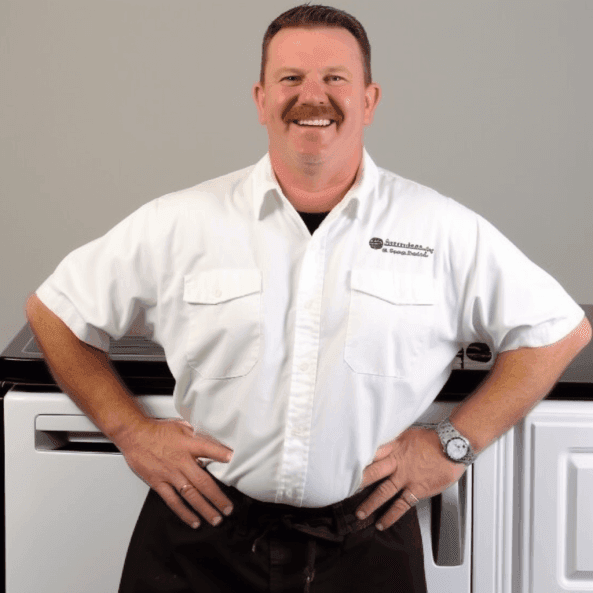
Hey, I’m Jake. I focus on cooling systems at Appliance Mastery, like fridges, freezers, and air conditioners.
I’ve worked in appliance repair for more than ten years and I’m certified through NASTeC. I’ve seen just about every fridge issue you can imagine.
My goal is to help you fix problems without stress. Whether it’s a freezer that won’t cool or an AC that keeps beeping, I’m here to walk you through it.