
Is your freezer not keeping things as cold as it should? You might be dealing with a condenser fan that’s not working. This common issue can lead to spoiled food and a frustrating experience, but it doesn’t have to be a headache.
Imagine opening your freezer to find melted ice cream and thawed meats. It’s a situation no one wants to face. Fortunately, understanding the role of the condenser fan and how to troubleshoot it can save you time and money.
In this article, you’ll learn about the signs of a failing fan, simple fixes you can try, and when to call in a professional. With the right knowledge, you can get your freezer back to working order in no time.
Key Takeaways
- Identify Symptoms Early: Look for unusual noises and poor temperature control as key indicators of a malfunctioning condenser fan to prevent food spoilage.
- Common Causes: Dust buildup, electrical issues, and mechanical failures are primary reasons behind a condenser fan not working properly.
- Troubleshooting Steps: Check the power supply, clean the fan regularly, and inspect the motor for blockages or damage to identify potential problems.
- Know When to Call a Professional: If persistent noises, temperature fluctuations, visible damage, or overheating occur, it’s time to seek expert assistance.
- Consider Cost Factors: Professional service fees range from $50 to $150, while parts replacement costs can be between $100 to $300; weigh these against potential long-term savings from repairing your appliance.
Common Symptoms of Freezer Condenser Fan Not Working
A malfunctioning condenser fan can lead to several noticeable problems in your freezer. Identifying these symptoms early can help prevent food spoilage and other issues.
Unusual Noise Levels
A working condenser fan should generate minimal noise. If you notice loud or unusual sounds, it often indicates a problem. For instance, a rattling, buzzing, or grinding noise may signal that the fan blades are obstructed or that the motor is failing. Regularly check for debris around the fan and ensure it’s not hitting any other components.
Poor Temperature Control
If your freezer struggles to maintain the correct temperature, it could be due to a faulty condenser fan. You might find ice build-up around the evaporator coils or experience fluctuating temperatures, leading to thawed items or inconsistent freezing. Monitoring the internal temperature regularly can help you catch these issues early. Aim for temperatures around 0°F (-18°C) for optimal food preservation.
Causes of Freezer Condenser Fan Failure
Several factors contribute to the failure of a freezer condenser fan. Understanding these causes helps you identify the issue and decide on a solution.
Dust and Debris Buildup
Dust and debris buildup can obstruct the fan’s operation. Check the fan area for lint, dust, or food particles. Regular cleaning prevents blockages that hinder airflow, allowing the fan to operate efficiently. If you notice excessive buildup, unplug the freezer and use a soft brush or vacuum to clean around the condenser coils and fan.
Electrical Issues
Electrical problems may disrupt the fan’s performance. Inspect the power cord for damage or wear. Ensure the fan motor receives adequate power by checking the circuit breaker and ensuring it hasn’t tripped. Malfunctioning relays or faulty connections can also prevent the fan from functioning. Use a multimeter to test the circuit, or consult a professional for assistance if necessary.
Mechanical Failures
Mechanical failures often cause fan malfunctions. Common issues include a worn-out motor, damaged fan blades, or a failed start capacitor. If the fan makes an unusual noise, inspect the blades for damage or obstruction. If you suspect a motor issue, listen for humming sounds; this could indicate motor failure. Professional help may be required for repairs or replacements, as these components can be complex.
Troubleshooting Steps for Freezer Condenser Fan
Follow these troubleshooting steps to identify and resolve issues with your freezer’s condenser fan.
Checking Power Supply
Ensure the freezer is connected to a power outlet. Check the power cord for signs of damage or fraying. Examine the outlet by plugging in another appliance to verify its functionality. If you’re using an extension cord, confirm it’s rated for heavy usage. Reset any tripped breakers in your home’s electrical panel. If the fan shows no signs of life despite these checks, consult a technician for additional diagnostics.
Cleaning the Fan
Dust and debris can impact the performance of your condenser fan. Disconnect the freezer from the power source before cleaning. Remove the fan cover, usually located at the back or bottom of the unit. Use a soft brush or a vacuum to remove dirt and accumulated particles. Wipe down the fan blades with a damp cloth. After cleaning, reassemble the fan cover and reconnect the power. Regular cleaning every few months helps maintain optimal airflow.
Inspecting the Motor
A poorly functioning motor can prevent the fan from spinning. Listen for unusual noises when the fan attempts to operate, like grinding or buzzing sounds. If the motor shows signs of overheating, check for blockages or obstructions around the fan. Use a multimeter to test the motor for continuity; disconnect the power supply and test the motor terminals. If the motor is faulty, replacing it may be necessary. Contact a professional if you’re unsure about diagnosis or repairs.
When to Seek Professional Help
Recognizing when to call a professional can save you time and money. If you notice specific signs, don’t hesitate to reach out for expert assistance.
Recommended Products

Model configuration: We have YZF18-25, YZF10-20,YZF6-13 AC 120V 1550rpm Condenser Fan Motor Input Power 33W Output Power 6W

MODEL NUMBER: WR60X10220 Condenser Fan Motor. Replace part number: WR60X10220 AP4298602 1257132 AH1766247 EA1766247 PS1766247 WR60X10133 WR60X10171 B004H3XWWE WR60X10192.
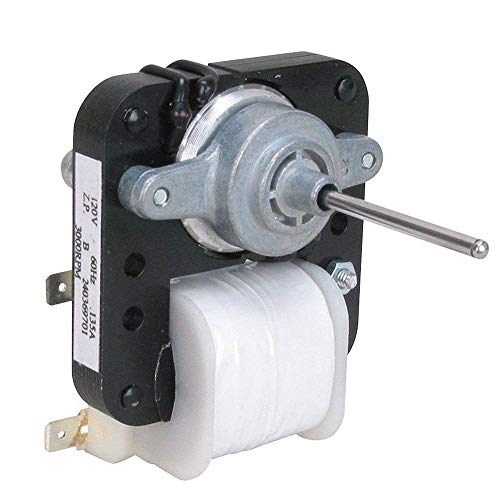
MODEL NUMBER: 240369701 Refrigerator Evaporator Fan Motor, compatible with 120V 60Hz systems and rated at 135A with a speed of 3000RPM.
Signs of Serious Issues
Unusual symptoms indicate potential serious problems. Look for these signs:
- Persistent Noise: If the fan emits loud rattling or buzzing sounds, it may signal a failing motor or internal obstruction.
- Temperature Fluctuations: Notice if the freezer struggles to maintain a consistent temperature, often above 0°F (-18°C). This can lead to food spoilage.
- Visible Damage: Inspect for any damaged components, such as cracked fan blades or burnt-out motors. Such issues may require professional replacement.
- Overheating: If the freezer or fan motor feels excessively hot to the touch, it suggests a mechanical failure that should be investigated by an expert.
Cost Considerations
Evaluating costs helps in making informed decisions. Keep these factors in mind:
- Service Fees: Professionals often charge between $50 and $150 for diagnostics and repairs. Prices vary based on location and complexity of the issue.
- Parts Replacement: If the fan motor or components require replacement, costs can range from $100 to $300, depending on the specific parts needed.
- Long-term Savings: While upfront costs may appear high, repairing the fan can extend the lifespan of the appliance and prevent larger expenses from food loss or further damage.
Assessing these signs and costs helps you determine the right time to seek professional help and ensures your freezer operates efficiently.
Conclusion
Dealing with a freezer condenser fan that’s not working can be a real hassle. But by staying aware of the signs and taking some simple troubleshooting steps, you’re already on the right track. Remember to keep your fan clean and check for any obvious issues before diving deeper. If things still aren’t working out, don’t hesitate to reach out for professional help. Getting your freezer back in shape means you can keep your food fresh and avoid those frustrating spoilage moments. You’ve got this!
Frequently Asked Questions
What should I do if my freezer isn’t cold enough?
If your freezer isn’t maintaining the right temperature, first check that it is plugged in and the outlet works. Inspect for any visible blockages around the condenser fan and clean it to improve airflow. Look for unusual noises indicating a problem. If issues persist after troubleshooting, consider contacting a professional.
How can I tell if my condenser fan is failing?
Signs of a failing condenser fan include loud or unusual noises like rattling or buzzing, poor temperature control, and ice build-up around the evaporator coils. If the fan doesn’t operate smoothly or is overheating, it may need replacement.
How often should I clean my freezer’s condenser fan?
It’s recommended to clean the condenser fan at least once a year, or more frequently if you notice dust and debris build-up. Regular cleaning helps maintain optimal airflow and performance, reducing the risk of failure.
When should I seek professional help for freezer issues?
Seek professional help if you notice persistent unusual noises, temperature fluctuations, visible damage to components, or if the fan motor overheats. These signs often indicate serious issues that require expert repair.
What can cause a condenser fan to fail?
Common causes of condenser fan failure include dust and debris build-up, electrical issues like damaged power cords, or mechanical failures such as worn-out motors and broken fan blades. Regular maintenance can help prevent these problems.

Hey, I’m Jake. I focus on cooling systems at Appliance Mastery, like fridges, freezers, and air conditioners.
I’ve worked in appliance repair for more than ten years and I’m certified through NASTeC. I’ve seen just about every fridge issue you can imagine.
My goal is to help you fix problems without stress. Whether it’s a freezer that won’t cool or an AC that keeps beeping, I’m here to walk you through it.