
Have you ever walked into your garage and noticed that your freezer isn’t working? It’s a frustrating situation that can lead to spoiled food and wasted money. You might be wondering what went wrong and how to fix it.
Key Takeaways
- Temperature Sensitivity: Freezers in garages are prone to temperature fluctuations; extreme conditions can hinder their performance and efficiency.
- Power Supply Checks: Ensure that the freezer is properly plugged in and check for tripped circuit breakers or damaged outlets to prevent power-related issues.
- Signs of Malfunction: Look for unusual noises, ice buildup, and increased energy bills as key indicators that your freezer may not be functioning properly.
- Regular Maintenance: Perform routine checks, including cleaning coils and inspecting seals, to extend the lifespan and efficiency of the freezer.
- Professional Help: Consult a technician if you notice persistent issues like frequent temperature loss, unusual noises, or leaks to avoid further damage.
- Warranty Awareness: Familiarize yourself with your freezer’s warranty terms; unauthorized repairs may void it, so always seek professional assistance when needed.
Common Reasons Why Freezer Stopped Working In Garage
Understanding why your freezer stopped working in the garage can help you troubleshoot the issue. Here are some common causes to consider.
Recommended Products

【Easy to use】 Supports °C/°F display. 【Dual relay】able to power refrigeration and heating equipment as conditions change. 【Dual Display Window】Displays measured...
Temperature Fluctuations
Garage temperatures can vary widely, especially in extreme conditions. If temperatures drop below 0°F (-18°C) or exceed 110°F (43°C), the freezer may struggle to maintain optimal cooling. For instance, a freezer’s compressor works harder in high heat, potentially leading to burnout. If you notice frost buildup or inconsistent cooling, temperature changes might be the culprit.
Power Supply Issues
Power interruptions or fluctuations directly affect the freezer’s performance. Check for tripped circuit breakers or blown fuses. Ensure the freezer is plugged securely into an outlet. If the outlet shows signs of damage, such as burns or overheating, these can cause intermittent power supply problems. A dedicated circuit for the freezer can prevent overloads from other devices.
Mechanical Failures
Mechanical issues can lead to freezer malfunctions. Common problems include a faulty thermostat or evaporator fan. If the thermostat isn’t functioning correctly, it may not signal the compressor to run, causing warmer temperatures. Listen for unusual sounds from the freezer, which might indicate fan or compressor failures. Regular maintenance, such as cleaning coils, can prevent many mechanical issues from arising.
Signs That Your Freezer Is Not Functioning Properly
Identifying the signs of a malfunctioning freezer can prevent further issues and spoilage. Here are some key indicators to watch for.
Unusual Noises
Pay attention to strange sounds coming from the freezer. Clicking, buzzing, or grinding noises often signal mechanical issues. For example, if the compressor runs loud and often, it might indicate that it’s overworking due to a malfunction. If you hear these noises regularly, inspect the unit for potential problems.
Ice Buildup
Look for excessive frost or ice on the walls or shelves of your freezer. Ice buildup can restrict airflow, limiting cooling efficiency. If the freezer’s seal is damaged, this can lead to higher humidity levels, accelerating frost formation. Regularly check for ice accumulation and remove it if it exceeds a quarter-inch thickness.
Increased Energy Bills
Monitor your energy bills for unexpected spikes. A malfunctioning freezer often uses more electricity due to inefficient operation. If you notice a sudden increase in your monthly costs without any changes in usage, it may indicate that your freezer is struggling to maintain proper temperatures. Checking the unit’s efficiency rating can also help gauge its operational health.
Troubleshooting Steps to Take
If your freezer stopped working in the garage, follow these troubleshooting steps to identify the issue and take corrective actions.
Recommended Products
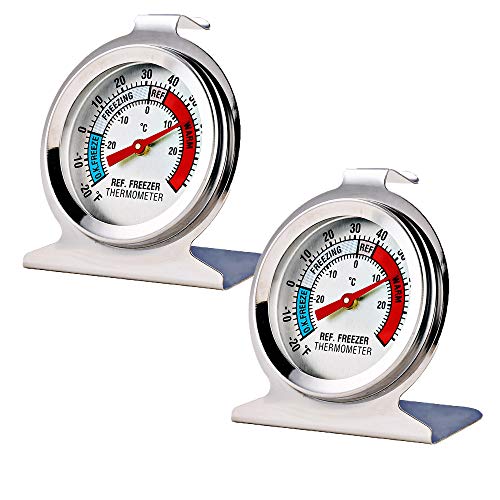
Measuring range:-20~80℉

Two Ways to Connect: Easily monitor temp and humidity data in real time from anywhere. With stable WiFi and Bluetooth connection via the Govee Home app, you'll have more opportunities to react to changes in your air quality (not support 5G WiFi).

Wellness Indicator: This humidity meter with humidity level icon indicates air conditions - DRY/COMFORT/WET, allowing this humidity sensor to ensure you’re always aware of changes to your home/household with just a quick glance
Checking the Power Source
Ensure the freezer is plugged in and the outlet is functional.
- Inspect the power cord for any visible damage, frays, or kinks.
- Test the outlet by plugging in a different appliance to confirm it’s operational.
- Check for tripped circuit breakers or blown fuses. Reset breakers or replace fuses if necessary.
Assessing the Temperature Settings
Verify that the temperature setting is appropriate.
- Locate the thermostat dial, typically found inside the freezer.
- Set the temperature to the recommended range, usually around 0°F (-18°C).
- Wait a few hours and monitor the internal temperature using a thermometer to ensure it cools adequately.
Inspecting for Blockages
Check for any blockages that might restrict airflow.
- Remove items from the freezer to allow access to air vents and compartments.
- Inspect for frost buildup on the evaporator coils, which can impede performance.
- Clear any ice or debris around the fan and vents to promote better circulation.
Taking these troubleshooting steps can help identify the problem and potentially restore your freezer’s functionality.
When to Call a Professional
You may need to call a professional if your freezer shows signs of more significant problems beyond basic troubleshooting. Certain indicators suggest that professional help is required to avoid further damage and ensure safety.
Signs of Major Damage
Look for these critical signs that your freezer may have major damage:
- Frequent Temperature Loss: If your freezer can’t maintain a consistent temperature, it’s time to consult a professional. This issue can affect food safety.
- Unusual Noises: Loud or persistent noises, such as grinding or clanging, can indicate mechanical failure. Ignoring these sounds can lead to a complete breakdown.
- Frost Buildup: Excessive ice buildup, especially on cooling coils, may signal a defrost issue. This can lead to inefficiency and higher energy bills.
- Burning Odors: Any burning smell indicates possible electrical issues. This situation poses safety risks and requires immediate attention.
- Leaking Water: Puddles around your freezer can indicate a refrigerant leak or a clogged defrost drain. Either scenario demands a professional assessment.
Warranty Considerations
Understanding the warranty on your freezer is essential. Here’s what to keep in mind:
- Check the Warranty Terms: Review your warranty details, including coverage duration and conditions. Most manufacturers offer warranties that cover defects or specific parts.
- Contact Customer Service: If the freezer is relatively new, contact the manufacturer’s customer service. They can guide you through the warranty claim process.
- Professional Repairs: Be cautious about DIY repairs. Performing unauthorized repairs can void your warranty. Always consult a professional or authorized service center.
- Documentation Required: Keep receipts and warranty documents organized. This makes the claim process smoother if you need professional help under warranty.
Watch for these signs and understand your warranty to ensure your freezer functions properly without unnecessary expense or risk.
Tips for Preventing Future Issues
Taking proactive steps can prevent a freezer malfunction in your garage. Implementing these tips ensures optimal performance and longevity.
Recommended Products

Digital Thermometers: Includes one refrigerator thermometer and one freezer thermometer that transmit readings to the digital display

Measuring range:-20~80℉

Convenient and practical: Our refrigerator thermometer is suitable for traditional refrigerators, freezers, insulated boxes, etc. It has a large dial with clear blue and red area indication on the surface of the fridge thermometer, making it easier for you to read the temperature.
Ideal Garage Conditions
Keeping your freezer in the best environment significantly influences its performance. Aim for these conditions:
- Temperature Range: Maintain garage temperatures between 0°F and 110°F. Extreme cold or heat strains the appliance.
- Ventilation: Ensure adequate airflow around the freezer. Leave at least two inches of space on all sides.
- Humidity Control: Use a dehumidifier if your garage tends to be damp. High humidity can lead to rust and freezing problems.
Regular Maintenance Practices
Regular maintenance keeps your freezer running smoothly. Follow these practices:
- Clean the Coils: Dust and debris can accumulate on the condenser coils. Clean them every six months for better efficiency.
- Check Door Seals: Inspect the door gaskets for cracks or damage. Replace them if they’re not sealing properly to prevent cold air loss.
- Defrosting: Regularly defrost if ice buildup exceeds a quarter-inch. Excess ice restricts airflow and makes the freezer work harder.
- Monitor Temperature: Use a thermometer to check internal temperatures. Regularly ensure it stays within the recommended range of 0°F.
By following these tips, you can keep your freezer in the garage running efficiently and avoid future issues.
Conclusion
Dealing with a malfunctioning freezer in your garage can be a real hassle. By staying aware of the signs and understanding potential causes you can tackle these issues before they lead to bigger problems. Regular maintenance and monitoring can make a world of difference in keeping your freezer running smoothly.
If you find yourself facing persistent issues don’t hesitate to reach out to a professional. They can help pinpoint the problem and ensure your freezer operates efficiently. With a little care and attention you can keep your freezer in top shape and avoid those frustrating moments of spoilage and loss.
Frequently Asked Questions
What are common causes of a freezer malfunctioning in the garage?
Several factors may cause a freezer to malfunction in a garage, including extreme temperature fluctuations, power supply issues, and mechanical failures. Temperature variations can hinder cooling efficiency, while power interruptions may arise from tripped breakers or damaged outlets. Additionally, faulty components like a thermostat or evaporator fan can also lead to problems.
How can I tell if my freezer is not working properly?
Key signs of a malfunctioning freezer include unusual noises (like clicking or buzzing), ice buildup on walls or shelves, and increased energy bills. Monitoring these indicators can help you identify problems early and prevent food spoilage.
What should I check when troubleshooting my freezer?
Start by ensuring the freezer is plugged in and inspecting the power cord for any damage. Test the outlet with another appliance to confirm it’s working. Next, check the thermostat settings and monitor the internal temperature. Finally, inspect for any blockages that may restrict airflow.
When should I call a professional for freezer issues?
You should consider calling a professional if you notice frequent temperature loss, unusual noises, excessive frost buildup, burning odors, or leaking water. These signs often indicate more serious problems that require expert attention.
How can I prevent future freezer malfunctions?
To prevent issues, maintain garage conditions between 0°F and 110°F, ensure proper ventilation, and control humidity levels. Regular maintenance practices like cleaning condenser coils, checking door seals, and monitoring internal temperatures will also enhance your freezer’s performance and lifespan.

Hey, I’m Jake. I focus on cooling systems at Appliance Mastery, like fridges, freezers, and air conditioners.
I’ve worked in appliance repair for more than ten years and I’m certified through NASTeC. I’ve seen just about every fridge issue you can imagine.
My goal is to help you fix problems without stress. Whether it’s a freezer that won’t cool or an AC that keeps beeping, I’m here to walk you through it.