
Have you noticed water pooling around your water heater? A leaking vent pipe can be a frustrating issue that not only disrupts your home but also raises concerns about safety and efficiency. You might be wondering what causes this problem and how to fix it.
Key Takeaways
- Signs of a Leak: Look for unusual sounds, water accumulation, or damp spots around your water heater to detect a vent pipe leak early.
- Causes of Leaks: Understand that poor installation and damaged pipes are common causes of vent pipe leaks, necessitating regular inspections.
- Safety Risks: Be aware of the significant safety hazards associated with leaking vent pipes, including carbon monoxide exposure and potential structural damage.
- DIY Solutions: Minor leaks can often be addressed at home by inspecting connections, sealing small gaps, or replacing damaged sections of the vent pipe.
- Professional Help: Seek professional assistance when facing persistent leaks, installation concerns, or widespread damage to ensure safety and proper repairs.
- Preventive Measures: Regular maintenance and installing carbon monoxide detectors enhance safety and prevent future issues related to water heater vent pipes.
Signs of Water Heater Vent Pipe Leaking
Recognizing signs of a leaking water heater vent pipe helps you address the problem before it escalates. Pay attention to the following indicators.
Unusual Sounds
Listen for strange noises near your water heater. Rattling, hissing, or bubbling sounds often signal issues. These sounds can indicate escaping gases from a vent pipe leak. If you notice any unusual noises, it’s essential to investigate further.
Water Accumulation
Check for water pooling around your water heater. Puddles or damp spots may suggest a leaking vent pipe. Inspect the area beneath the vent pipe and around the heater itself. If you find consistent moisture, act quickly to determine the source of the leak and prevent water damage.
By observing these signs, you can identify potential vent pipe leaks in your water heater and take appropriate steps to fix them promptly.
Causes of Water Heater Vent Pipe Leaking
Understanding the causes of water heater vent pipe leaking helps you address the issue effectively. Several factors contribute to this problem, including installation errors and pipe damage.
Recommended Products

Included accessories: This 3" stainless steel vent pipe kit includes 1 exhaust pipe,1 exhaust elbow,1 roll of aluminum foil tape,1 hose clamp,and 1 hole decoration ring.It can basically meet your usage needs

【SP20285 Horizontal Vent Termination Kit】Designed to vent high efficiency fossil fuel appliances, ensuring optimal functionality but also enhances aesthetics by concealing intake and exhaust pipework.
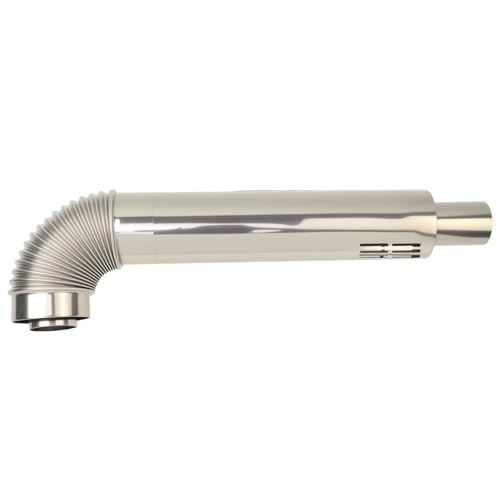
Universal Compatibility Compatible with most 3" x 5" gas tankless water heaters, including brands like Rinnai, Navien, Rheem, and A.O. Smith. Offers a safe and reliable venting solution for various setups.
Poor Installation
Poor installation often leads to vent pipe leaks. If the venting system isn’t properly aligned, it can create gaps. These gaps allow moisture and gases to escape. Common issues include incorrectly fitted joints or inadequate sealing materials. For instance, using substandard caulk or tape can lead to deterioration over time. To prevent this, ensure a qualified technician performs the installation. They will use appropriate materials and techniques for a secure fit.
Damaged Pipe
Damaged pipes significantly contribute to leaks. Over time, vent pipes can corrode due to exposure to heat or moisture. Cracks or holes can develop, allowing harmful gases to escape. Regular inspections help identify wear and tear early on. If you notice discoloration or rust on the pipe, it may indicate a problem. Replacing a damaged section promptly prevents further leaks and ensures safe operation. Use materials designed for high-temperature applications to enhance longevity and safety.
Safety Concerns with Leaking Vent Pipes
Leaking vent pipes can pose serious safety hazards. Recognizing these risks helps protect your home and family.
Carbon Monoxide Risk
Carbon monoxide (CO) can seep from leaking vent pipes. This colorless, odorless gas can lead to severe health issues or even fatalities. If you notice signs of a leak, such as unusual sounds or water accumulation, act immediately. Installing a carbon monoxide detector near sleeping areas significantly enhances safety. Regularly check the device to ensure it’s working properly. If you suspect CO exposure, evacuate the premises and seek medical attention.
Structural Damage
Structural damage can result from prolonged leaks around your water heater. Water pooling near the unit can weaken floors, promote mold growth, and cause electrical hazards. To minimize risks, inspect the area regularly for signs of moisture. Address any leaks promptly. Using a drip pan under your water heater helps contain any water damage. When necessary, consult a professional to assess and repair damage to ensure your home remains safe and sound.
Solutions for Water Heater Vent Pipe Leaking
Addressing a leaking water heater vent pipe involves several actionable steps. You can tackle minor issues through DIY fixes or consult a professional for more extensive problems.
DIY Fixes
- Inspect Connections: Check all joints and connections for loose fittings. Tighten any screws or clamps that hold the vent pipe together.
- Seal Minor Leaks: Use high-temperature silicone sealant to seal small gaps in the vent pipe. Apply the sealant carefully, ensuring it fills the gap completely.
- Replace Damaged Sections: If you notice corrosion or cracks, consider replacing that section of the vent pipe. Cut out the damaged part and attach a new section using appropriate connectors.
- Install a Drip Pan: Place a drip pan beneath the water heater to catch any future leaks. This pan helps prevent water damage to your floors.
- Regular Maintenance: Schedule routine inspections of your water heater and vent pipe. Look for wear and tear and address issues promptly to avoid bigger problems later.
- Persistent Leaking: If leaks continue despite your repairs, it’s time to contact a professional. They can diagnose underlying issues that might not be apparent.
- Installation Concerns: If you suspect improper installation, a technician can assess the setup and make necessary adjustments to ensure proper function.
- Gas Issues: If you notice unusual gas odors or hear strange sounds, like hissing, contact a qualified technician immediately. This may indicate a serious safety risk.
- Widespread Damage: If leaks cause extensive water damage or mold growth, professional cleanup and repair are essential.
- Carbon Monoxide Detectors: If CO detectors activate or you suspect CO accumulation, evacuate the area and consult a professional urgently. This condition poses a significant health risk.
These steps enable you to effectively manage water heater vent pipe leaks, ensuring safety and efficiency in your home.
Conclusion
Dealing with a leaking water heater vent pipe can feel overwhelming but taking action quickly can save you from bigger problems down the road. By staying vigilant for signs like unusual sounds or water accumulation you can catch issues early. Regular inspections and maintenance are key to keeping your system running safely and efficiently.
Remember to prioritize safety with carbon monoxide detectors and don’t hesitate to call in a professional if you’re unsure about any repairs. Keeping your home safe and comfortable is worth the effort so stay proactive and enjoy peace of mind.
Frequently Asked Questions
What causes water pooling around my water heater?
Water pooling around your water heater is often caused by a leaking vent pipe or condensation. Poor installation, damaged pipes, or improper sealing can create gaps, allowing moisture to escape.
How can I tell if my water heater vent pipe is leaking?
Signs of a leaking vent pipe include unusual sounds like rattling or hissing, water accumulation around the heater, and visible rust or corrosion on the vent pipe itself.
What should I do if I notice a leak around my water heater?
If you notice a leak, inspect the area for damage. Clean up any water, and if it’s a minor issue, consider using high-temperature silicone sealant. For significant leaks, contact a qualified professional immediately.
Is it safe to ignore a leaking water heater vent pipe?
No, ignoring a leaking vent pipe is unsafe. It can lead to carbon monoxide exposure and structural damage. Regular inspections and prompt repairs are crucial to ensure safety.
When should I call a professional for water heater issues?
Call a professional if you suspect improper installation, persistent leaks, or if you hear gas-related sounds. It’s vital to address these issues promptly to prevent hazards.

Hey, I’m Jake. I focus on cooling systems at Appliance Mastery, like fridges, freezers, and air conditioners.
I’ve worked in appliance repair for more than ten years and I’m certified through NASTeC. I’ve seen just about every fridge issue you can imagine.
My goal is to help you fix problems without stress. Whether it’s a freezer that won’t cool or an AC that keeps beeping, I’m here to walk you through it.