
Have you noticed your water heater leaking or making strange noises? You’re not alone. Many homeowners face this frustrating issue, often wondering if it’s a sign of a bigger problem or just a minor annoyance.
Understanding what’s happening with your water heater can save you time and money. This article will guide you through the common causes of leaks and noises, helping you identify the issue and decide on the best course of action. By the end, you’ll feel more confident tackling this household challenge and keeping your water heater in top shape.
Key Takeaways
- Common Causes: Water heater leaks and noises typically stem from sediment build-up, faulty pressure relief valves, or damaged connections.
- Signs of Trouble: Look for water accumulation around the base, unusual sounds like popping or hissing, and inconsistent water temperatures as indicators of potential issues.
- Diagnostic Steps: Conduct a visual inspection for leaks and loose connections, and listen for distinct noise patterns that suggest specific problems.
- Preventive Measures: Regularly flush the tank, tighten connections, and adjust temperature settings to maintain your water heater’s efficiency and longevity.
- Professional Help: If issues persist despite DIY fixes, consult a plumber or technician for further diagnosis and repair to prevent more significant damage.
- Age Consideration: Water heaters older than ten years may need replacement, so assess the age of your unit when evaluating repair options.
Common Causes Of Water Heater Leaking And Making Noise
Water heaters can leak and make noise due to various issues. Identifying these causes helps you address the problems effectively.
Recommended Products

WATER HEATER SEDIMENT REMOVAL TOOL – The Sediment Gone hot water heater flush kit is designed to stir, loosen, and flush out stubborn sediment buildup from the bottom of your water heater tank by actively breaking up compacted sediment while draining.

UL Verified V699054 for heat & pressure: Verified for safety and reliability under high temperature and pressure conditions

【Tankless Heater Clean Kit】This cleaning kit comes with everything you need to maintain your water heating system. Helps maintain the performance and extend the life of your tankless hot water heater. Easy to follow and quickly connects to your tankless isolation valves using the supplied hoses. All you need to do is mix 1 gallon of vinegar or biodegradable cleaner with 1 gallon of water to flush the tankless water heater. ( The vinegar and biodegradable cleaning agent are not included)
Sediment Build-Up
Sediment build-up in the tank causes noise and leaks. Mineral deposits accumulate over time, creating a barrier between the water and the heating element. This buildup leads to popping or rumbling sounds as water tries to escape. Regular flushing of the tank, at least once a year, removes sediment and prevents these issues. Use a hose to drain the tank, following the manufacturer’s instructions, to maintain optimal performance.
Pressure Relief Valve Issues
The pressure relief valve controls the internal pressure in your water heater. If the valve malfunctions, it may leak or cause strange noises. A faulty valve may not close completely, resulting in constant dripping. Inspect the valve for signs of wear or corrosion. Replace it if necessary to ensure safety. Regularly testing the valve once a year helps maintain proper function and detect any issues before they escalate.
Faulty Connections
Faulty connections can lead to leaks and noises around your water heater. Loose or damaged fittings can result in water escaping from the tank. Inspect all connections for signs of water pooling or wet spots. Tighten any loose fittings and replace damaged pipes or connectors. Checking connections during routine maintenance helps prevent leaks and keeps your water heater running smoothly.
Signs To Look For
Identifying issues with your water heater quickly prevents further damage. Here are key signs that indicate problems.
Water Accumulation
Water pooling around the base of the water heater signals a leak. Inspect the floor for dampness or puddles regularly. Use a towel to dab any moisture; if it persists, the source may be a faulty connection or a leak in the tank itself. If you notice corrosion or rust, it indicates significant damage that may require immediate attention.
Unusual Sounds
Listen for sounds like popping, rumbling, or hissing. Popping noise often comes from sediment build-up, while rumbling can indicate overheating and sediment movement. Hissing may suggest a leaking valve or pressure issue. Address these sounds promptly to prevent further complications.
Temperature Fluctuations
Inconsistent water temperature suggests problems within the heating element or thermostat. If you experience scalding hot water one moment and cold the next, examine the thermostat settings. It may need recalibration or replacement. Inconsistent temperatures can lead to discomfort and greater energy usage.
How To Diagnose The Problem
Diagnosing issues with your water heater requires a few systematic steps. You can uncover potential problems through visual inspection and by listening for specific noise patterns.
Recommended Products

MULTIPLE BENEFITS – Extend the lifetime of your water heater, improve its efficiency, reduce your energy bill, and increase your hot water supply. This tool pays for itself in one use!
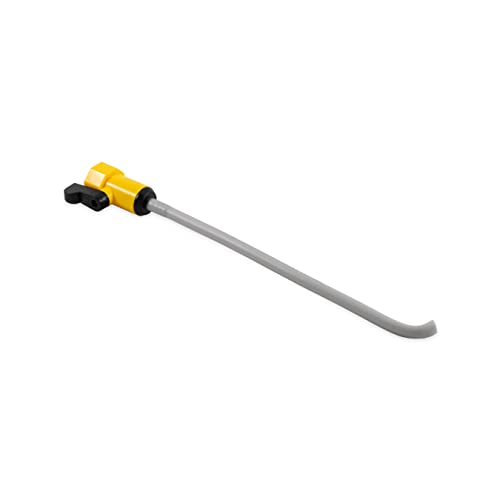
Extends the Life of Your Water Heater: The tank rinser lifts sediment that collects at the bottom of water heaters and flushes it out. This Camco RV accessory is compatible with residential and camper water heaters.
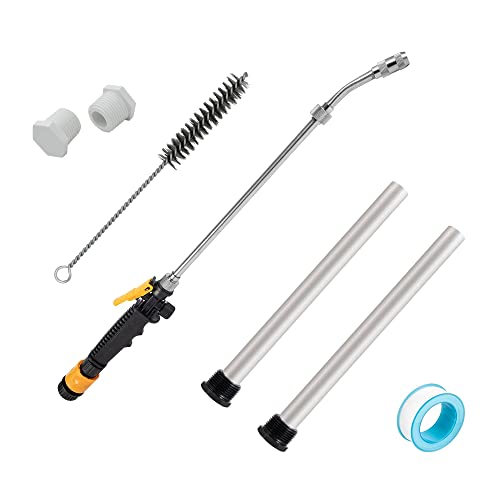
【RV Water Heater Cleaning Kit】Whether you are a beginner who just bought a RV or a travel expert who has lived in a RV for a long time, our RV hot water heater cleaning kit allows you to do a more effective deep cleaning of the scale and sediment inside the water heater tank. You will receive 2x anode rods, 1x RV water heater flush wand, 1x stainless steel bristle, 1x Teflon tape and 2x drain plugs.
Visual Inspection
Check for visible signs of leaks. Look for water pooling around the base or on the floor beneath your heater. Inspect the fittings and connections to ensure they’re secure and not corroded. Examine the tank surface for rust or moisture. Make sure the temperature and pressure relief valve isn’t leaking. Any water escaping from this area indicates a malfunction.
Listening For Noise Patterns
Pay attention to the sounds your water heater makes. Popping or rumbling noises often suggest sediment build-up inside the tank, indicating it’s time for a flush. Hissing sounds might relate to overheating, indicating that your temperature settings require adjustments. Listen for any continuous dripping or flowing water sounds, which can signify a leak. Knowing these noise patterns helps you pinpoint potential issues early on, enabling timely action.
Solutions And Prevention
Addressing water heater leaks and noises promptly can prevent more significant issues. Use the following strategies to keep your water heater functioning effectively.
Recommended Products

Provides Protection: Helps protect your RV or home water heater from excess temperature and water pressure
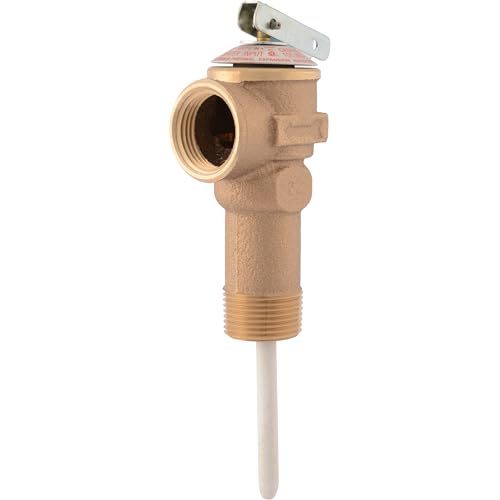
CASH ACME RELIEF VALVE: Cash Acme NCLX Combination Temperature and Pressure Relief Valves are designed for the protection of water heaters and storage tanks; incorporate an inert thermal element coating that provides effective isolation from mineral deposits (liming) and galvanic corrosion

Rv Water Heater Pressure Relief Valve Socket Wrench: For rv pressure relief valve remover, including campers, motorhomes, boats, and indoor settings hot water heater socket, effectively remove temperature pressure relief valves, etc.
DIY Fixes
- Flush the Tank Regularly
Flushing the tank removes sediment build-up. For best results, do this every six to twelve months. To flush, turn off the power or gas, connect a garden hose to the drain valve, and drain a few gallons of water. - Check and Tighten Connections
Inspect the fittings for tightness. If you notice any loose connections, tighten them with a wrench. Ensure you don’t overtighten to avoid damage. - Replace the Pressure Relief Valve
If you hear hissing or see water around the valve, it could be faulty. You can replace it by disconnecting the old valve and screwing in a new one. Make sure to shut off the water supply before starting this process. - Adjust the Temperature Setting
A temperature setting above 120°F can lead to overheating and noise. Lower it to around 120°F to maintain efficiency while preventing excessive pressure build-up.
- Persistent Leaks
If water continues to escape despite repairs, it might indicate a more severe issue. Call a plumber to inspect for problems within the tank. - Strange Noises Persist
Continuous popping or rumbling despite flushing suggests possible internal damage. A technician can assess the heating elements and diagnose any underlying issues. - Frequent Temperature Fluctuations
If your water temperature changes unpredictably, it often indicates a malfunctioning thermostat. A professional can evaluate and replace it if necessary. - Age of the Water Heater
Water heaters older than ten years may require replacement rather than repair. Consult a professional to determine the best course of action for an aging unit.
Conclusion
Taking care of your water heater is essential for a smooth-running home. By staying alert to leaks and strange noises you can catch issues early and avoid costly repairs. Regular maintenance like flushing the tank and checking connections can go a long way in keeping your unit in good shape.
If you notice persistent problems don’t hesitate to reach out to a professional. Your comfort and peace of mind are worth it. With a little attention you can enjoy hot water without the worry of leaks or disruptive sounds. So keep an eye on your water heater and take action when needed to ensure it serves you well for years to come.
Frequently Asked Questions
What are common causes of water heater leaks?
Water heater leaks can occur due to several reasons, including faulty connections, malfunctioning pressure relief valves, and sediment build-up. Loose or damaged fittings may allow water to escape, while sediment accumulation can lead to increased pressure and potential leaks. Regular maintenance can help identify and prevent these issues.
Why do I hear strange noises coming from my water heater?
Strange noises like popping or rumbling often result from sediment build-up inside the tank. The sediment traps heat, causing the water to bubble. Hissing sounds may indicate overheating or pressure issues. Identifying these noises can help diagnose the underlying problem early on.
How can I prevent my water heater from leaking?
To prevent leaks, regularly inspect your water heater for visible signs of corrosion or loosened fittings. Flushing the tank at least once a year helps remove sediment build-up. Additionally, check the pressure relief valve periodically to ensure it’s functioning properly.
What temperature should I set my water heater?
It’s generally recommended to set your water heater to around 120°F. This temperature helps prevent overheating, reduces the risk of scalding, and minimizes sediment formation in the tank, leading to improved efficiency and longevity of the unit.
When should I call a professional for water heater issues?
If you notice persistent leaks, unusual noises, or temperature fluctuations that you cannot resolve, it’s best to call a professional. Particularly for units over ten years old, professional inspections can help identify severe issues that may require replacements or extensive repairs.

Hey, I’m Jake. I focus on cooling systems at Appliance Mastery, like fridges, freezers, and air conditioners.
I’ve worked in appliance repair for more than ten years and I’m certified through NASTeC. I’ve seen just about every fridge issue you can imagine.
My goal is to help you fix problems without stress. Whether it’s a freezer that won’t cool or an AC that keeps beeping, I’m here to walk you through it.