
Have you ever turned on your RV’s hot water heater only to find it’s not getting propane? You’re not alone. Many RV owners face this frustrating issue, especially during long trips or camping adventures. It can quickly turn a relaxing getaway into a hassle when you can’t enjoy a hot shower or wash dishes.
Key Takeaways
- Common Causes: RV hot water heaters may not get propane due to blocked lines, empty tanks, or faulty regulators. Address these issues to restore functionality.
- Troubleshooting Steps: Check propane levels, inspect connections, and test the regulator to diagnose problems effectively.
- Regular Maintenance: Conduct routine inspections, clean propane lines, and flush the hot water tank annually to prevent issues and ensure efficient operation.
- When to Seek Help: Contact professionals for persistent problems, unusual sounds, or if you lack experience with propane systems to guarantee safety and proper functioning.
Common Causes of RV Hot Water Heater Not Getting Propane
When your RV hot water heater doesn’t receive propane, it can stem from several issues. Understanding these causes helps you troubleshoot effectively.
Blocked Propane Lines
Blocked propane lines prevent gas from reaching your hot water heater. Dirt, debris, or ice can obstruct the lines, especially in cold conditions. Inspect the lines for any visible blockages. You can use compressed air to clear minor clogs. Regular maintenance of propane lines also keeps them functioning smoothly.
Empty Propane Tank
An empty propane tank is a common cause for your hot water heater’s failure. Before troubleshooting further, check the tank gauge. Many RV tanks have a gauge or a simple weight measurement to determine how much gas remains. If the gauge indicates low levels, refilling the tank will resolve the issue. Remember to avoid running it completely dry to prevent air from entering the lines.
Faulty Regulator
A faulty propane regulator can disrupt gas flow to your hot water heater. The regulator controls the pressure of propane entering the system. If you notice hissing sounds, visual damage, or inconsistent burner flames, your regulator might need replacement. Always consult your RV’s manual for specifications when purchasing a new one. Regular checks of the regulator can help catch issues early.
Troubleshooting Steps
When your RV hot water heater’s not getting propane, follow these troubleshooting steps to identify and resolve the issue effectively.
Checking Propane Levels
First, confirm that you have enough propane in the tank. You can do this by:
- Examining the gauge on the propane tank for a clear reading.
- Weighing the tank; a full 20-pound tank usually weighs about 37 pounds.
- Tapping the tank gently; a metallic sound indicates it’s empty, while a dull sound suggests it’s still full.
If the propane level is low, visit a nearby refill station to refill your tank.
Inspecting Connections
Next, check the connections leading to the hot water heater. Ensure the following:
- Tightness: Look for loose fittings or connectors and tighten them if needed.
- Cleanliness: Inspect for dirt or debris around the connections. Clean them gently with a cloth to maintain a good seal.
- Condition: Look for signs of wear, such as cracks or frays in the hoses. Replace any damaged components immediately.
A thorough inspection can resolve issues related to airflow and ensure a reliable propane supply.
Testing the Regulator
Lastly, test the propane regulator. A malfunctioning regulator disrupts the flow of gas, leading to inadequate heating. Follow these steps:
- Listen for hissing sounds around the regulator, which may indicate a leak.
- Check the flames on the burners; they should burn steadily without flickering. If they’re inconsistent, the regulator might be faulty.
- If you suspect a problem, consult your RV’s manual for potential troubleshooting solutions or replacement specifications.
Regularly testing the propane regulator helps maintain a safe and efficient system for your hot water heater.
Maintenance Tips for RV Hot Water Heaters
Proper maintenance keeps your RV hot water heater functioning well and prevents propane issues. Follow these tips for a hassle-free experience.
Recommended Products
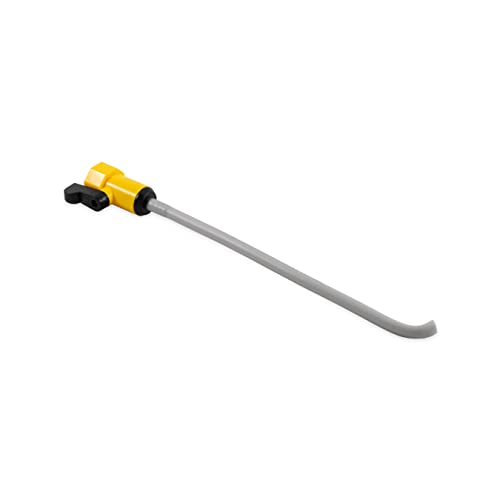
Extends the Life of Your Water Heater: The tank rinser lifts sediment that collects at the bottom of water heaters and flushes it out. This Camco RV accessory is compatible with residential and camper water heaters.
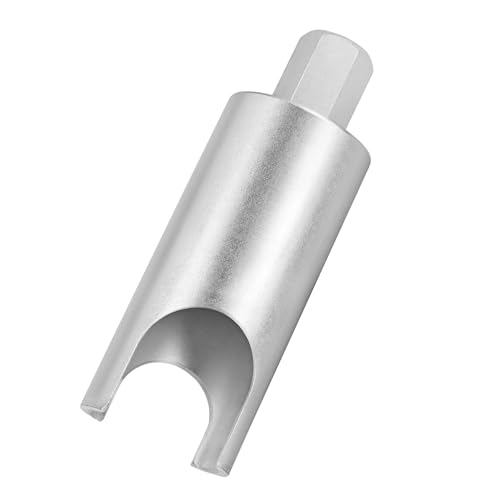
【10552 Temperature Pressure Valve Remover】Suitable for most rv water heater pressure relief valve, but also suitable for T&P valves, low pressure valves and other valves. It can effectively remove temperature pressure relief valves from RVs, motorhomes, campers, motorhomes, boats and indoor settings in propane tanks.

Skoutag dual hex socket wrench removal tool is made of quality Carbon Steel Galvanized, sturdy and anti-corrosion, specially designed to install or remove screw-in water heater elements and anode rods.
Regular Checks
Inspect your hot water heater regularly. Check for leaks at connections and around the tank. Ensure that fittings are tight and corrosion-free. Test the propane regulator by applying soapy water; look for bubbles indicating leaks. If you notice any abnormalities, address them promptly.
Monitor your propane levels consistently. Use a tank gauge or weigh the tank to confirm propane availability. Consider marking refill dates in your calendar to stay on track.
Cleaning the System
Clean the propane lines to prevent blockages. Disconnect the lines and use compressed air to blow out dirt and debris. If you spot ice, let the system warm up to melting point first.
Flush the hot water tank at least once a year. Drain sediment buildup by attaching a hose to the tank’s drain valve and releasing water. This helps maintain efficiency and prolongs the heater’s life.
Replace the anode rod every few years, depending on usage and water quality. A worn rod can lead to corrosion, impacting your hot water supply.
By following these maintenance tips, you can ensure your RV hot water heater operates effectively and enjoy your adventures without interruptions.
When to Seek Professional Help
You might find yourself in situations where resolving the propane issue with your RV hot water heater becomes challenging. Contacting a professional for assistance can save time and ensure safety in the following scenarios:
Persistent Propane Issues
If you’ve checked the propane level and connections without improvement, a professional service can diagnose more complex issues. This includes examining the propane regulator and lines for hidden leaks or damage.
Unexplained Sounds
If you hear unusual sounds, like constant hissing or rumbling from the water heater or propane lines, it’s crucial to get help. These signs often indicate a potential gas leak or malfunction that requires immediate attention.
Systematic Maintenance Schedule
If you haven’t performed regular inspections or maintenance in over a year, consider hiring a professional for a thorough check-up. Experts can identify underlying problems and recommend necessary repairs.
Lack of Experience
If you’re unfamiliar with propane systems, it’s safer to consult a professional. They can ensure all components function correctly and comply with safety standards.
Safety Concerns
If you notice a strong smell of gas, evacuate your RV and call for professional help immediately. Gas leaks pose serious risks.
By seeking professional help in these instances, you maintain safety and ensure your RV hot water heater runs efficiently for enjoyable adventures.
Conclusion
Dealing with a hot water heater that won’t get propane can be a hassle but with a bit of troubleshooting and regular maintenance you can keep your RV running smoothly. By checking your propane levels inspecting connections and testing the regulator you’ll be well on your way to enjoying hot showers and clean dishes again.
Remember to stay proactive with maintenance to prevent future issues. And if you ever feel overwhelmed don’t hesitate to reach out to a professional. Your comfort and safety are what matter most on your adventures. Happy travels!
Frequently Asked Questions
What are common reasons my RV hot water heater isn’t receiving propane?
The most common reasons include blocked propane lines, an empty propane tank, or a faulty propane regulator. Blockage can happen due to dirt or debris, and the tank may need to be refilled. A regulator issue can be indicated by hissing sounds or inconsistent flames.
How can I check my propane levels?
You can check your propane levels using a gauge on the tank, weighing the tank, or tapping it to listen for sounds indicating fullness. If the levels are low, it’s time to visit a refill station.
What maintenance should I perform on my RV hot water heater?
Regular maintenance includes checking for leaks, ensuring fittings are tight and corrosion-free, testing the propane regulator for leaks with soapy water, and flushing the hot water tank annually to remove sediment. Replacing the anode rod every few years is also recommended.
When should I seek professional help for propane issues?
You should contact a professional if you experience persistent problems after checking levels and connections, hear unusual sounds like hissing, or haven’t performed maintenance in over a year. A strong smell of gas also warrants immediate professional assistance.
How can I clear blocked propane lines?
To clear minor clogs in propane lines, inspect them for dirt or debris, and use compressed air to blow out the obstruction. Regular cleaning can prevent blockages from occurring, ensuring proper flow.

Hey, I’m Jake. I focus on cooling systems at Appliance Mastery, like fridges, freezers, and air conditioners.
I’ve worked in appliance repair for more than ten years and I’m certified through NASTeC. I’ve seen just about every fridge issue you can imagine.
My goal is to help you fix problems without stress. Whether it’s a freezer that won’t cool or an AC that keeps beeping, I’m here to walk you through it.