
Have you ever turned on your hot water tap only to find nothing but cold water flowing? If your Reliance water heater’s status light isn’t blinking, you might be facing an issue that leaves you scratching your head. This common problem can disrupt your daily routine and leave you in a bind.
Key Takeaways
- Importance of Status Light: The status light on Reliance water heaters indicates their operational state; a non-blinking light typically signals an issue that needs attention.
- Common Troubleshooting Steps: Check the power connection, inspect the thermostat settings, and ensure proper gas supply (for gas models) to identify issues with a non-blinking light.
- Preventive Maintenance: Regularly flushing the tank, checking the anode rod, and adjusting the thermostat can enhance the longevity and efficiency of your water heater.
- Know When to Call a Professional: Persistent issues, frequent resetting, unusual noises, gas leak concerns, and fluctuating temperatures indicate the need for expert assistance.
- Regular Inspections: Schedule annual check-ups with a licensed technician, especially if your unit is over 10 years old, to preemptively address potential problems.
Overview of Reliance Water Heaters
Reliance water heaters provide reliable solutions for home hot water needs. They come in various models, including tank and tankless options. These heaters are designed for efficiency and durability, ensuring you receive hot water when required.
Key Features of Reliance Water Heaters:
- Energy Efficiency: Many models use advanced technology to reduce energy consumption, helping you save on utility bills.
- Variety of Sizes: Reliance offers models ranging from compact designs for smaller homes to larger capacities for bigger households.
- Reliability: With proper maintenance, these heaters can last 10 to 15 years, providing consistent performance throughout their lifespan.
Common Models:
- Tank Water Heaters: These models store hot water in a tank and are ideal for high-demand situations.
- Tankless Water Heaters: These heaters provide hot water on demand, eliminating the need for a storage tank and saving space.
- Flush the Tank: Regularly flushing the tank removes sediment build-up. This can enhance efficiency and prolong the unit’s life.
- Check the Anode Rod: Inspecting the anode rod periodically prevents corrosion. Replacing it when needed keeps the tank in good condition.
- Adjust the Temperature: Set the thermostat to around 120°F for optimal performance and safety.
Understanding these aspects of your Reliance water heater helps you troubleshoot issues, such as the status light not blinking. A malfunctioning status light often indicates a problem in the heating system. Keeping your heater well-maintained enhances performance and minimizes unexpected issues.
Common Issues with Reliance Water Heaters
Reliance water heaters are generally reliable, but they can face specific issues. Understanding these problems can help you maintain optimal performance and troubleshoot effectively.
Importance of Status Light
The status light on your Reliance water heater acts as a vital indicator of its functionality. It informs you about the unit’s operating state. A blinking light typically signals normal operation or heating, while a non-blinking light might indicate an issue, such as lack of power or a malfunction. Monitoring this light ensures you can identify problems early, preventing potential disruptions in your hot water supply.
Understanding Blinking vs. Non-Blinking Status Light
A blinking status light suggests that the heater is operating correctly and heating water as expected. This activity usually means there are no immediate issues. Conversely, if the status light is not blinking, it warrants investigation. Possible reasons for a non-blinking light include:
- Power Issues: Check if the unit is plugged in or if a circuit breaker has tripped.
- Thermostat Problems: A broken or incorrectly set thermostat can halt the unit’s heating cycle.
- Gas Supply (for gas models): Ensure the gas valve is open and that gas is available.
- Faulty Components: Inspect components like the heating element or control board for defects.
Addressing these concerns promptly can restore your water heater’s performance, ensuring consistent hot water access.
Troubleshooting Steps for Non-Blinking Status Light
When the status light on your Reliance water heater isn’t blinking, it usually indicates a problem that you can troubleshoot. Follow these steps to identify and resolve the issue.
Checking Power Supply
- Ensure Connection: Check that the water heater’s power cord is securely plugged into the outlet.
- Inspect Circuit Breaker: Look for tripped breakers in your home’s electrical panel. If you find one, reset it by flipping it off and then back on.
- Use a Multimeter: If the power supply seems fine, use a multimeter to test the outlet for voltage. A lack of voltage may indicate a wiring issue that requires professional attention.
Inspecting Thermostat Settings
- Confirm Temperature Setting: Check the thermostat on your water heater. Ensure the temperature isn’t set too low. Adjust it to at least 120°F for optimal performance.
- Examine for Malfunctions: If the thermostat appears set correctly but the light remains off, it might be malfunctioning. Consider replacing it if this issue persists.
- Set to Pilot Mode: For gas models, switch the thermostat to pilot mode. This checks if the main burner properly ignites when returning to the normal setting.
- Access the Burner Assembly: Remove the cover panel to access the burner. Make sure you turn off the power first for safety.
- Inspect for Blockages: Look for any debris or soot accumulation around the burner assembly. Clean it with a vacuum if necessary.
- Check Ignition System: Test the ignition system to ensure it ignites properly. If it doesn’t ignite, the igniter or gas valve might need replacement.
By following these troubleshooting steps, you can diagnose and potentially resolve the issue with your Reliance water heater’s non-blinking status light.
When to Seek Professional Help
If your Reliance water heater’s status light isn’t blinking, it’s crucial to know when to call a professional. While some troubleshooting methods are straightforward, certain issues require expert attention.
Persistent Non-Blinking Light
You should seek help if the status light remains off after performing basic troubleshooting steps. Ignoring this could lead to more significant problems, like complete system failure.
Frequent Resetting
If you find yourself constantly resetting the water heater to regain function, it’s a sign of underlying issues. A professional can diagnose the root cause and prevent ongoing disruptions.
Unusual Noises
You might notice strange sounds, such as popping or rumbling. These noises indicate sediment buildup or other mechanical issues. An expert can clean or repair the system as needed.
Gas Leak Concerns
In gas models, if you smell gas, evacuate the area and call for help immediately. Gas leaks are serious and require prompt professional intervention.
Inconsistent Water Temperature
If you experience fluctuating water temperatures despite your adjustments, a professional can identify problems with the thermostat or heating elements.
Age of the Unit
Water heaters typically last 10 to 15 years. If yours is nearing the end of its life, consider consulting a technician for maintenance options or replacement recommendations.
Safety and Compliance
For any significant repairs or modifications, ensure compliance with local codes and safety regulations. Professionals are equipped to handle these requirements safely.
Seeking help at the right time can save you money and hassle, ensuring a reliable hot water supply for your home.
Preventive Measures for Future Issues
Recommended Products
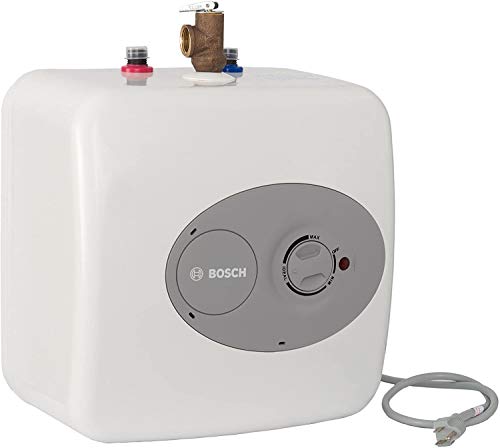
CONVENIENT HOT WATER HEATER: 2.5 gallon point-of-use mini-tank fits under your sink to provide hot water right where you need it. Thermal efficiency is 98%. Dimensions : 13.75 W x 13.75 H x 10.75 D Inches

Note: This 3000W 120V plug in water heater is designed for low-flow use only, not suitable for showers or multiple taps at once. The output water temperature is affected by many factors, including the water heater wattage (heating capacity), inlet water temperature and water flow. For a better warm water use experience, we recommend that you consider our higher wattage model 6500W 240V first, which is hard-wired

UNDER $20 TO PROTECT AGAINST ONE OF THE COSTLIEST HOME LEAKS: Water heater failures are among the most common causes of residential water damage. Early detection gives you time to replace the heater before water reaches flooring or adjacent walls. Flood Buzz Blue owners report catching failures early enough to avoid major repair bills - small alarm, large save.
Regular Maintenance
- Flush the Tank: Flushing helps remove sediment build-up from the tank. Aim to do this at least once a year to enhance efficiency.
- Check the Anode Rod: Inspect the anode rod every few years. A deteriorated rod can lead to tank corrosion. Replace it if it’s more than 50% corroded.
- Adjust the Temperature: Set your water heater’s temperature between 120°F to 140°F. This prevents overheating and reduces energy consumption.
Monitor the Status Light
- Observe Light Behavior: Regularly check the status light. A blinking light shows normal function, while a steady or off light signals a potential problem.
- Document Changes: Keep a record of any changes in the light’s status. If the non-blinking occurs frequently, it may indicate an underlying issue.
Maintain Electrical and Gas Supply
- Inspect Power Supply: Regularly check that the water heater is plugged in and that the circuit breaker is functioning properly. Use a multimeter if needed.
- Ensure Gas Supply: For gas models, confirm that gas valves are open and there are no blockages. Regularly check for gas leaks and consult with a technician if gas issues arise.
Schedule Professional Inspections
- Annual Check-Ups: Schedule annual inspections with a licensed technician. They can identify potential issues before they escalate.
- Consult for Aging Units: If your water heater is over 10 years old, ask a professional for advice on potential replacements or upgrades.
- Read the Manual: Familiarize yourself with the user manual for specific maintenance tips and manufacturer recommendations.
- Know When to Call for Help: Understand the signs of trouble, such as unusual noises, inconsistent temperatures, or repeated resets, and don’t hesitate to seek expert help.
Conclusion
Dealing with a non-blinking status light on your Reliance water heater can be frustrating but addressing the issue promptly can make a big difference. By following the troubleshooting steps outlined in the article you can often identify and resolve the problem on your own.
Remember to keep up with regular maintenance to prevent issues down the line. If you find yourself stuck or if the problem persists don’t hesitate to reach out to a professional. Taking these steps will help ensure you have a reliable source of hot water when you need it most. Stay proactive and keep your water heater running smoothly for years to come.
Frequently Asked Questions
What should I do if my Reliance water heater is not producing hot water?
If your Reliance water heater is only providing cold water, first check the status light. If it’s not blinking, inspect the power supply, circuit breaker, and thermostat settings. For gas models, switch to pilot mode to ensure the burner ignition works. Regular maintenance practices can also help prevent this issue.
How long do Reliance water heaters typically last?
Reliance water heaters can last between 10 to 15 years with proper maintenance. Regularly flushing the tank, checking the anode rod, and monitoring the temperature can extend the lifespan of your water heater.
What does a blinking status light indicate on a Reliance water heater?
A blinking status light on a Reliance water heater usually indicates that the unit is operating normally. It’s a sign that the heater is effectively heating water. If the light is not blinking, there may be an underlying issue that needs attention.
When should I call a professional for my water heater issues?
You should call a professional if the status light remains off after troubleshooting, if you hear unusual noises, or if the water temperature is inconsistent. Immediate attention is also necessary if you suspect a gas leak.
What regular maintenance should I perform on my Reliance water heater?
Regular maintenance for your Reliance water heater includes flushing the tank at least annually, checking the anode rod every few years, and adjusting the temperature to prevent overheating. Monitoring the status light and conducting annual inspections with a technician is also recommended.

Hey, I’m Jake. I focus on cooling systems at Appliance Mastery, like fridges, freezers, and air conditioners.
I’ve worked in appliance repair for more than ten years and I’m certified through NASTeC. I’ve seen just about every fridge issue you can imagine.
My goal is to help you fix problems without stress. Whether it’s a freezer that won’t cool or an AC that keeps beeping, I’m here to walk you through it.