
Have you ever turned on the hot water only to be greeted by a strange smell or unusual noises from your heater? If your hot water heater isn’t venting properly, it can lead to frustrating situations and even safety hazards. You’re not alone in facing this common issue, and understanding what’s going on can save you time and money.
Key Takeaways
- Recognize Signs: Be aware of indicators such as strange smells, unusual noises, inconsistent water temperature, and excessive moisture that can suggest poor ventilation in your hot water heater.
- Understand Causes: Common causes of venting problems include clogged vent pipes, improper installation, damaged components, and negative air pressure within your home.
- Importance of Venting: Proper venting is crucial for the safety and efficiency of your hot water heater, preventing dangerous gas accumulation indoors.
- Conduct Initial Checks: Regularly inspect the vent pipe, draft hood, air supply, and burner flame to identify potential venting issues early.
- Implement DIY Solutions: Clear out blockages, tighten loose connections, and inspect for damage to maintain healthy venting. Professional help is advised for persistent issues or gas odors.
- Prioritize Maintenance: Schedule annual professional check-ups to ensure the longevity and proper functioning of your hot water heater and its venting system.
Common Issues With Hot Water Heaters
Hot water heaters can encounter various problems, especially with ventilation. Recognizing these issues early ensures safety and efficiency.
Signs of Poor Ventilation
You might notice several indicators of poor ventilation in your hot water heater. Look out for these signs:
- Strange Smells: A sulfuric or rotten egg odor typically points to venting problems or an issue with the anode rod.
- Unusual Noises: Banging or hissing sounds from the heater often signal pressure build-up due to inadequate ventilation.
- Inconsistent Water Temperature: Fluctuations in water temperature might indicate that exhaust gases aren’t venting properly.
- Excessive Moisture: Moisture buildup around the heater could suggest condensation from poorly vented gases.
Causes of Venting Problems
Several factors can lead to venting issues with hot water heaters. Understanding these causes helps in troubleshooting:
- Clogged Vent Pipes: Over time, debris or animal nests can block vent pipes, obstructing airflow.
- Improper Installation: A poorly installed venting system may not allow exhaust to escape efficiently.
- Damaged Venting Components: Cracks or corrosion in venting components can allow harmful gases to leak back into the home.
- Negative Air Pressure: A lack of proper air intake in your home can create negative pressure, making it hard for gases to vent outside.
Identifying these common issues ensures more effective maintenance, protecting both your hot water heater and your home.
Understanding Hot Water Heater Venting
Venting is crucial for the safe operation of hot water heaters. Proper venting ensures harmful gases exit your home and that your heater functions efficiently.
Importance of Proper Venting
Proper venting is essential for safety and efficiency. It prevents dangerous gases, like carbon monoxide, from accumulating indoors. An effective venting system helps maintain optimal performance, promoting a longer life for your hot water heater. Regularly checking for signs of venting issues protects both your health and your appliance.
Types of Venting Systems
You can find several types of venting systems in hot water heaters:
- Power Venting: Utilizes a fan to push exhaust gases outside. It’s ideal for locations where traditional venting isn’t possible.
- Natural Venting: Relies on the natural rise of hot air. This system uses a vertical vent pipe, making it suitable for gas water heaters installed near an exterior wall.
- Direct Venting: Draws air from the outside for combustion and expels exhaust gases through a sealed pipe. It’s efficient and minimizes the risk of air quality issues.
Understanding these systems helps you identify issues and choose the right solution for your home.
Troubleshooting Poor Venting
If your hot water heater isn’t venting properly, take immediate action. Addressing venting issues quickly can prevent safety hazards and improve your appliance’s performance.
Initial Checks to Perform
- Inspect the Vent Pipe: Look for any visible blockages in the vent pipe. Items like bird nests, debris, or ice can obstruct airflow and may require removal.
- Check the Draft Hood: Ensure the draft hood is positioned correctly on top of the water heater. Misalignment can impede proper venting.
- Verify Air Supply: Confirm that the area around your hot water heater has sufficient airflow. Obstructed air sources can create negative pressure, affecting venting efficiency.
- Examine the Flame: Observe the burner flame. A healthy flame appears blue and stable; yellow or flickering flames indicate venting issues or incomplete combustion.
- Test for Odors: Smell for sulfur or gas odors. If present, evacuate the area immediately and contact a professional.
- Flashlight: Use a flashlight for inspecting dark or hard-to-reach areas.
- Pipe Cleaner or Brush: Employ these tools to clear any small debris from the vent pipe.
- Screwdriver Set: Have a variety of screwdrivers ready for securing or adjusting loose components.
- Manometer: Employ a manometer to measure the pressure in your vent system, ensuring it’s within acceptable limits.
- Gas Leak Detector: Utilize a gas leak detector to check for potential gas leaks around the unit.
By conducting these checks and having the right tools, you can troubleshoot poor venting more effectively. Keeping your hot water heater in good working order ensures safety and reliable performance.
Solutions for Venting Problems
Addressing venting problems promptly ensures your hot water heater operates efficiently and safely. Here are some effective solutions to consider.
DIY Fixes for Homeowners
- Clear Blockages: Inspect the vent pipe for debris, nests, or snow build-up. Remove any obstacles to restore proper airflow.
- Check Vent Connections: Tighten all connections in the venting system. Loose joints can disrupt the flow of exhaust gases.
- Ensure Proper Positioning: Make sure the draft hood is aligned correctly and securely in place to facilitate efficient venting.
- Inspect for Damage: Look for signs of wear or corrosion on venting components. Replace any damaged sections to maintain safety.
- Monitor Venting Systems: Observe the burner flame. A steady blue flame indicates proper combustion, while a yellow flame may signal incomplete combustion and venting issues.
- Persistent Issues: If blockages and simple fixes don’t resolve the problem, professional assistance is essential.
- Complex Venting Systems: If you have a multi-system setup, don’t hesitate to reach out to experts who understand varying venting requirements.
- Gas Smells: Any detection of gas odors warrants immediate professional help. Don’t take risks with potential leaks.
- Safety Concerns: If you suspect carbon monoxide buildup or other hazardous conditions, contact a specialist immediately. Safety should always come first.
- Regular Maintenance: Schedule annual service checks with professionals to ensure your hot water heater and venting systems function optimally.
Maintaining your hot water heater not only improves performance but also safeguards your home. Addressing venting problems early leads to a more reliable and safe system.
Conclusion
Addressing venting issues with your hot water heater is crucial for safety and efficiency. By staying alert to signs like strange smells or unusual noises you can catch problems early. Regular maintenance and timely troubleshooting not only protect your home but also extend the life of your appliance.
If you encounter persistent issues don’t hesitate to reach out for professional help. Your safety and comfort should always come first. With a little attention and care you can ensure your hot water heater operates smoothly and safely for years to come.
Frequently Asked Questions
What are common signs of hot water heater venting problems?
Indicators of poor venting include sulfuric odors, unusual noises, inconsistent water temperatures, and excessive moisture. Experiencing any of these signs may suggest that there is an issue with your hot water heater that needs to be addressed promptly.
Why is proper venting crucial for hot water heaters?
Proper venting ensures that harmful gases, like carbon monoxide, do not accumulate indoors. It also supports optimal performance of the hot water heater, preventing potential safety hazards and ensuring the appliance operates efficiently.
What are the types of venting systems for hot water heaters?
There are three main types of venting systems: power venting, which uses a fan; natural venting, which relies on warm air rising; and direct venting, which draws air from outside. Understanding these systems helps identify issues better.
How can homeowners troubleshoot venting issues?
Homeowners can troubleshoot venting issues by inspecting the vent pipe for blockages, checking the draft hood position, ensuring there’s adequate air supply, and examining the burner flame stability. Using tools like a flashlight and gas leak detector can assist in this process.
When should I seek professional help for venting issues?
If persistent venting problems occur, or if you detect gas odors or potential carbon monoxide buildup, seek professional help immediately. Complex venting systems often require expert assessment to ensure safety and effective resolution of issues.
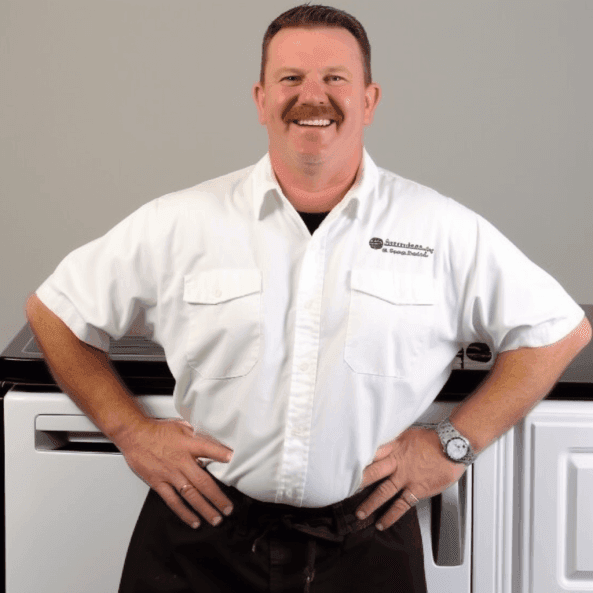
Hey, I’m Jake. I focus on cooling systems at Appliance Mastery, like fridges, freezers, and air conditioners.
I’ve worked in appliance repair for more than ten years and I’m certified through NASTeC. I’ve seen just about every fridge issue you can imagine.
My goal is to help you fix problems without stress. Whether it’s a freezer that won’t cool or an AC that keeps beeping, I’m here to walk you through it.