
Have you ever stepped into the shower only to be greeted by icy water? If you own an Atwood electric water heater, this frustrating scenario might feel all too familiar. Whether you’re camping or enjoying a cozy weekend getaway, a malfunctioning water heater can quickly turn a relaxing experience into a chilly disaster.
Key Takeaways
- Common Symptoms: Key indicators of a malfunctioning Atwood electric water heater include no hot water and unusual noises, which can signal underlying issues such as thermostat malfunctions or sediment buildup.
- Troubleshooting Steps: Start your diagnosis by checking the power supply, inspecting electrical connections, and testing the heating element for continuity to identify the root cause of the problem.
- Electrical Connection Issues: Problems like loose wires or tripped circuit breakers can disrupt power to the heater; ensure electrical connections are secure and in good condition.
- When to Seek Help: If issues persist despite troubleshooting, or if you encounter signs of serious problems—like continuous lack of hot water or overheating—it’s crucial to contact a qualified technician for assistance.
- Choosing a Technician: Ensure you hire a licensed technician familiar with Atwood water heaters, check references, discuss their experience, and request cost estimates to guarantee quality service.
Common Symptoms of Atwood Water Heater Electric Not Working
Identifying issues with your Atwood electric water heater can help resolve problems quickly. Here are some common symptoms to watch for.
No Hot Water
Experiencing no hot water is a key symptom of a malfunctioning Atwood water heater. Check the thermostat setting; it might be too low or off. Inspect the power supply; ensure the heater is plugged in and the circuit breaker isn’t tripped. A blown fuse can also cause this issue. If everything looks good, the heating element may be faulty or corroded.
Unusual Noises
Hearing unusual noises from your Atwood water heater signals potential problems. Banging sounds can indicate sediment buildup at the bottom of the tank, leading to overheating. Hissing noises may point to a faulty valve or inadequate water flow. If the heater makes a popping sound, it could mean that the elements are overheating or the water is too hot. Regular maintenance can help minimize these noises and extend the heater’s lifespan.
Possible Causes of the Issue
When your Atwood electric water heater isn’t working, several common causes could be to blame. Understanding these can help you diagnose and resolve the problem quickly.
Electrical Connection Problems
Electrical connection issues often arise from loose wires, corroded connectors, or tripped circuit breakers. If you notice no power to the unit, first check the circuit breakers. If the breaker has tripped, reset it and see if the heater functions again. Inspect the wiring connections to ensure they’re secure and free from corrosion, which can disrupt the flow of electricity.
Thermostat Malfunctions
Thermostat malfunctions can prevent your water heater from reaching the desired temperature. Check the thermostat setting to ensure it’s set correctly. If your water heater still isn’t warming up, the thermostat might be faulty or incorrectly calibrated. Consider replacing it if necessary, as a malfunctioning thermostat can lead to inconsistent temperatures or a complete lack of hot water.
Element Burnout
Element burnout occurs when the heating element fails, usually due to prolonged use or overheating. To diagnose this, test the element with a multimeter for continuity. If there’s no continuity, it’s time to replace the heating element. Regularly checking the element can help prevent unexpected cold showers.
Troubleshooting Steps
Follow these troubleshooting steps to identify and resolve issues with your Atwood electric water heater not working.
Checking Power Supply
Confirm the water heater is connected to a power source. Check for tripped circuit breakers or blown fuses. Reset breakers if necessary and replace any blown fuses. Use a multimeter to measure voltage at the outlet; it should read around 120 volts. If there’s no voltage, investigate further upstream in your electrical system.
Inspecting Electrical Connections
Examine all wiring and connections for damage or corrosion. Ensure all wires are tight and secure. Look for loose connectors or exposed wires that may cause shorts. Cleaning corroded connectors with a wire brush can improve connectivity. If you find any damaged wiring, replace it immediately to prevent further issues.
Testing the Heating Element
Test the heating element for continuity using a multimeter. Remove the element from the tank and set your multimeter to the ohm setting. A functional heating element should show resistance between 10 to 50 ohms. If it reads infinite resistance, replace the heating element. This step ensures you have the proper heating capability for your water heater.
When to Seek Professional Help
When your Atwood electric water heater stops working, some situations warrant contacting a professional. Recognizing these signs can save you time and prevent further damage.
Signs of Serious Problems
- Persistent Lack of Hot Water: If you experience chronic issues with no hot water after troubleshooting, it’s time to call a technician. Ignoring ongoing problems may lead to more significant system failures.
- Unusual Noises: Sounds like banging, hissing, or popping indicate possible sediment buildup or mechanical failure. If these noises continue despite maintenance, seek professional assistance.
- Overheating: If the water heater runs excessively hot, disconnect it immediately. Overheating can damage components and create safety hazards, requiring a technician’s intervention.
- Frequent Tripped Circuit Breakers: If the circuit breaker trips regularly, this suggests an underlying electrical issue that specialists should address to prevent fire risks or electrical shock.
- Check Credentials: Ensure the technician holds the necessary licenses and certifications. Licensed professionals adhere to safety protocols and local building codes.
- Request References: Ask for recommendations or check online reviews. Positive feedback from previous clients confirms the technician’s reliability and quality of service.
- Discuss Experience: Prioritize technicians familiar with Atwood water heaters. Experience with specific models often translates into quicker diagnosis and effective solutions.
- Evaluate Service Agreements: Inquire about warranties and service guarantees. Reliable technicians provide assurances that protect you from unexpected future costs.
- Obtain Estimates: Get cost estimates before work begins. Comparing estimates helps ensure fairness and transparency, allowing you to understand what you pay for.
Recognizing when it’s time to seek professional help ensures your Atwood water heater returns to optimal performance safely and efficiently.
Conclusion
Dealing with a malfunctioning Atwood electric water heater can be frustrating but you don’t have to let it ruin your plans. By following the troubleshooting steps and keeping an eye on maintenance you can often resolve issues before they escalate. Remember to check your connections and settings regularly to ensure everything’s in good shape. If problems persist don’t hesitate to reach out for professional help. Keeping your water heater in top condition means more enjoyable experiences during your adventures. You’ve got this!
Frequently Asked Questions
What causes my Atwood electric water heater to produce cold water?
Cold water may result from a low thermostat setting, power supply issues, or a faulty heating element. Regular maintenance can help prevent these problems.
How can I check if my Atwood water heater is receiving power?
Inspect for tripped circuit breakers or blown fuses. Use a multimeter to measure voltage at the outlet and ensure the unit is plugged in and connected correctly.
What are common symptoms of a malfunctioning Atwood water heater?
Symptoms include a lack of hot water, unusual noises like banging or hissing, and frequent tripped circuit breakers, indicating potential issues that require attention.
How do I test the heating element of my Atwood water heater?
Use a multimeter to test for continuity. A functional heating element should show resistance between 10 to 50 ohms. If it reads infinite resistance, it needs replacement.
When should I consider hiring a professional for my water heater?
Consider professional help if you experience persistent cold water, unusual noises, overheating, or continuous tripped breakers. These issues may indicate serious problems that require expert assistance.
How can I maintain my Atwood electric water heater?
Regular maintenance involves inspecting wiring, checking connections for corrosion, cleaning components, and testing the thermostat and heating element to ensure everything functions correctly.
What are signs that my thermostat may be faulty?
If your water heater is not producing hot water despite adequate power supply or proper settings, the thermostat may be faulty and needs testing or replacement.
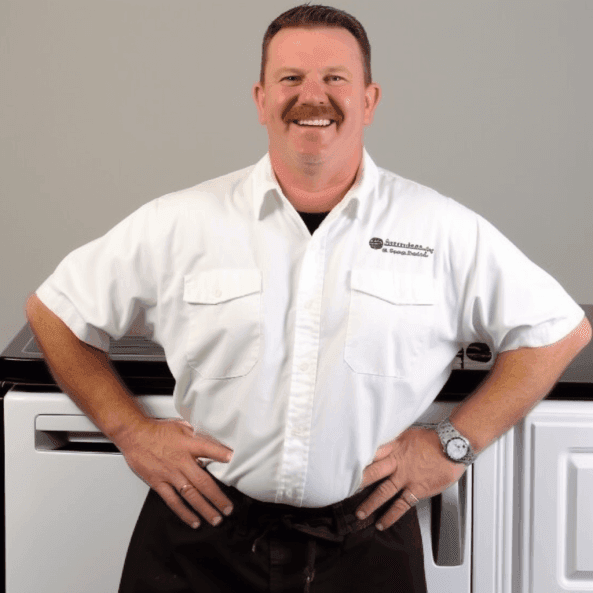
Hey, I’m Jake. I focus on cooling systems at Appliance Mastery, like fridges, freezers, and air conditioners.
I’ve worked in appliance repair for more than ten years and I’m certified through NASTeC. I’ve seen just about every fridge issue you can imagine.
My goal is to help you fix problems without stress. Whether it’s a freezer that won’t cool or an AC that keeps beeping, I’m here to walk you through it.