
If your Whirlpool dryer is not drying clothes effectively, there are several simple maintenance tips to consider. Common issues include clogged vents, faulty heating elements, and improper loading. Addressing these problems can restore your dryer’s efficiency without costly repairs.
Whirlpool Dryer Malfunctions and Symptoms
Understanding the symptoms of a malfunctioning dryer is crucial for effective troubleshooting. Common signs include damp clothes after a full cycle, unusual noises, or the dryer running longer than usual. Identifying these symptoms helps narrow down potential causes, allowing for targeted maintenance.
| Symptom | Primary Suspect | Difficulty (1-5) |
|---|---|---|
| Clothes not drying | Clogged vent | 3 |
| Long drying times | Faulty heating element | 4 |
| No heat | Broken thermostat | 5 |
| Excessive noise | Worn drum rollers | 2 |
Whirlpool Dryer Vent Cleaning Techniques
A well-maintained dryer vent is crucial for ensuring your Whirlpool dryer operates efficiently and effectively. Clogged vents can lead to longer drying times and increased energy consumption. This section outlines essential techniques for cleaning your dryer vent, helping you maintain optimal performance and safety.
A clogged vent is often the primary reason for a dryer not drying clothes. Lint and debris can accumulate over time, restricting airflow and reducing drying efficiency. Regular cleaning of the vent can prevent these issues.
Unplug the dryer to ensure safety.
Disconnect the vent from the back of the dryer.
Use a vacuum or a lint brush to remove lint buildup from the vent.
Inspect the vent for any kinks or blockages.
Reconnect the vent and plug the dryer back in.
Failure to maintain the vent can lead to overheating and potential fire hazards.
Whirlpool Dryer Heating Element Inspection Tips
If your Whirlpool dryer is struggling to dry clothes effectively, inspecting the heating element is a crucial step in diagnosing the issue. This component plays a vital role in generating the heat necessary for drying, and understanding how to check its functionality can save you time and money. Here are some practical tips to help you assess the heating element in your dryer.
The heating element is essential for generating heat in the dryer. If it fails, clothes will remain damp after cycles. Regular inspection can help identify issues before they escalate.
Unplug the dryer for safety.
Remove the back panel to access the heating element.
Use a multimeter to test for continuity.
Replace the heating element if it shows no continuity.
Reassemble the dryer and plug it back in.
A faulty heating element requires immediate attention to avoid further damage.
Whirlpool Dryer Loading Techniques for Efficiency
Proper loading techniques can significantly enhance the drying efficiency of your Whirlpool dryer. By understanding how to distribute clothes evenly and avoid overloading, you can ensure optimal airflow and heat circulation. These simple adjustments can lead to better drying results and extend the lifespan of your appliance.
Overloading the dryer can hinder its ability to dry clothes effectively. Proper loading ensures that air circulates freely, allowing for optimal drying.
Do not exceed the manufacturer’s load limit.
Separate heavy items from lighter fabrics.
Avoid mixing items with different drying times.
Correct loading can significantly improve drying efficiency and reduce wear on the dryer.
Whirlpool Dryer Lint Filter Maintenance Tips
Maintaining the lint filter in your Whirlpool dryer is crucial for optimal performance and safety. A clogged filter can lead to longer drying times and increased energy consumption. These simple maintenance tips will help ensure your dryer operates efficiently and effectively, prolonging its lifespan while reducing the risk of fire hazards.
A clean lint filter is crucial for optimal dryer performance. Clogged filters restrict airflow and can lead to longer drying times.
Remove the lint filter after each use.
Clean the filter with soap and water to remove residue.
Dry the filter completely before reinserting it.
Regular maintenance of the lint filter is essential to prevent overheating and ensure efficient drying.
Whirlpool Dryer Setting Adjustments
If your Whirlpool dryer isn’t effectively drying clothes, adjusting the settings can often resolve the issue. Understanding the various drying cycles and options available on your model is essential for optimal performance. This section will guide you through the necessary adjustments to ensure your dryer operates efficiently and meets your laundry needs.
Using the correct settings on your dryer can impact its performance. Different fabrics require specific drying cycles for optimal results.
Use high heat for towels and heavy fabrics.
Select low heat for delicate items.
Utilize timed dry for mixed loads.
Understanding and utilizing the appropriate settings can enhance drying efficiency.
Whirlpool Dryer Electrical Component Issues
When your Whirlpool dryer fails to dry clothes effectively, electrical component issues may be to blame. Understanding how these components function can help identify potential problems. This section delves into common electrical issues that could hinder your dryer’s performance, offering insights for effective troubleshooting and maintenance.
If the dryer still does not dry effectively after performing maintenance, electrical components may be faulty. This includes the thermal fuse and thermostat.
Unplug the dryer and remove the back panel.
Inspect the thermal fuse for continuity using a multimeter.
Check the thermostat for proper functionality.
Replace any faulty components as needed.
Addressing electrical issues can prevent further complications and ensure the dryer operates efficiently.
Whirlpool Dryer Maintenance Best Practices
Regular maintenance of your Whirlpool dryer can prevent common issues and improve drying efficiency. By following these simple tips, you can keep your dryer functioning effectively and avoid costly repairs. Prioritize cleaning the vent and lint filter, and ensure proper loading and settings for optimal performance.
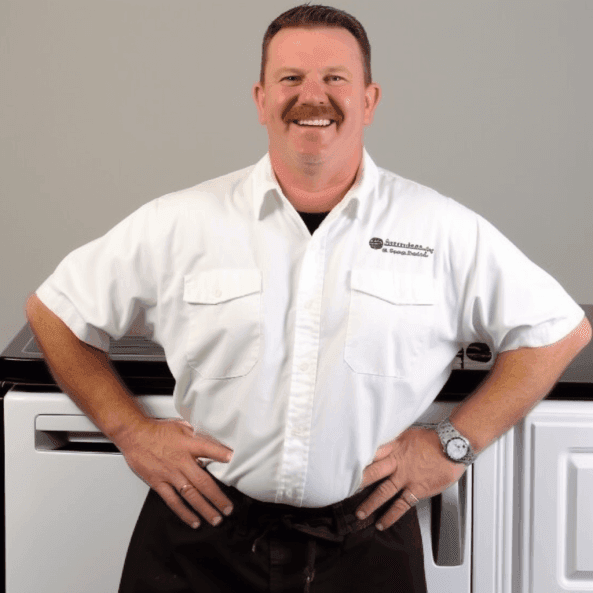
Hey, I’m Jake. I focus on cooling systems at Appliance Mastery, like fridges, freezers, and air conditioners.
I’ve worked in appliance repair for more than ten years and I’m certified through NASTeC. I’ve seen just about every fridge issue you can imagine.
My goal is to help you fix problems without stress. Whether it’s a freezer that won’t cool or an AC that keeps beeping, I’m here to walk you through it.