
Electrolux induction stove error codes often indicate specific issues with the surface elements. Repairing these elements typically involves identifying the error code, troubleshooting the problem, and replacing any faulty components.
Error Code Summary for Surface Elements
Understanding the error codes associated with Electrolux induction stoves is essential for effective troubleshooting and repair. This section provides a comprehensive summary of the error codes specifically related to surface elements, enabling users to quickly identify issues and take appropriate action to restore functionality. Familiarity with these codes can streamline the repair process and enhance overall appliance performance.
Understanding the symptoms associated with error codes can streamline the repair process. The following table summarizes common error codes, their primary suspects, and the difficulty level of repairs.
| Symptom | Primary Suspect | Difficulty (1-5) |
|---|---|---|
| E1 Error | Faulty temperature sensor | 3 |
| E2 Error | Surface element failure | 4 |
| E3 Error | Control board issue | 5 |
| E4 Error | Wiring problem | 4 |
Error Code Root Cause Identification
Understanding the root causes of error codes on your Electrolux induction stove is essential for effective troubleshooting and repair. Each error code signals specific issues related to the surface elements, allowing you to pinpoint the problem and take appropriate action. This section will guide you through the common error codes and their underlying causes, enabling a more efficient repair process.
Identifying the root cause of an error code is essential for effective repair. Common causes include:
Faulty temperature sensors that fail to relay accurate readings.
Burnt-out surface elements that require replacement.
Malfunctioning control boards that disrupt the entire system.
Damaged wiring that may cause shorts or open circuits.
Before proceeding, ensure you have the necessary tools and replacement parts for the repair.
Step-by-Step Fix for Surface Element Issues
When encountering issues with the surface elements of your Electrolux induction stove, understanding the specific error codes can streamline the troubleshooting process. This section provides a detailed, step-by-step guide to effectively diagnose and repair common surface element problems, ensuring your stove operates efficiently once again.
To address surface element problems, follow these detailed steps. Each step is crucial for effective troubleshooting and repair.
Disconnect the power supply to the induction stove to ensure safety.
Remove the cooktop by unscrewing the mounting screws and lifting it off carefully.
Inspect the surface elements for visible damage or burn marks.
Test the temperature sensor using a multimeter to check for continuity.
Replace any faulty components, including the surface element or temperature sensor.
Reassemble the cooktop and secure it with screws.
Reconnect the power supply and test the stove to ensure the error code is cleared.
Electrolux Induction Error Code Meanings
Understanding the error codes displayed on your Electrolux induction stove is crucial for effective troubleshooting and repair. Each code corresponds to specific issues related to the surface elements, helping you identify the underlying problems quickly. This section will clarify the meanings of these error codes, enabling you to take appropriate action for repairs.
Understanding specific error codes can help narrow down the issue. Here are common codes and their meanings:
E1 Temperature Sensor Malfunction
When dealing with an E1 error code on your Electrolux induction stove, it’s crucial to understand that this indicates a temperature sensor malfunction. This issue can disrupt the stove’s ability to accurately monitor heat levels, affecting cooking performance. Identifying and addressing this problem promptly will ensure your appliance operates efficiently and safely.
The E1 error code typically indicates a faulty temperature sensor. This sensor is responsible for monitoring the heat levels. If it fails, it may cause the induction stove to malfunction.
Check the sensor for continuity.
Replace the sensor if it does not function properly.
E2 Error Code Surface Element Issues
The E2 error code on an Electrolux induction stove indicates a problem with the surface element, often related to overheating or a malfunctioning sensor. Understanding this code is crucial for diagnosing issues effectively and ensuring the stove operates safely and efficiently. This section will explore the common causes and solutions for E2 error code occurrences.
The E2 error code signifies a problem with the surface element. This may involve a burnt-out coil or a connection issue.
Inspect the element for signs of damage.
Replace the element if necessary.
E3 Error Code Control Board Issues
The E3 error code on your Electrolux induction stove indicates potential issues with the control board, which can disrupt the functionality of the surface elements. Understanding this error is crucial for diagnosing the underlying problem and ensuring efficient repairs. This section will explore the causes and solutions related to the E3 error code.
An E3 error code usually points to a malfunctioning control board. This component manages the operation of the stove.
Examine the control board for burnt components.
Replace the board if it shows signs of failure.
E4 Error Code Wiring Issues
When encountering the E4 error code on your Electrolux induction stove, it often indicates wiring issues that may affect the surface element’s performance. Understanding the underlying causes of this error can help you diagnose and address the problem effectively, ensuring your stove operates safely and efficiently. This section will explore common wiring issues associated with the E4 error code and how to resolve them.
The E4 error code indicates potential wiring problems. Damaged wires can disrupt the electrical flow.
Inspect all wiring connections for wear or damage.
Repair or replace any faulty wiring.
Essential Tools for Induction Stove Repairs
When tackling repairs on an Electrolux induction stove, having the right tools is crucial for effective troubleshooting and surface element repair. This section outlines the essential tools you will need to diagnose issues accurately and perform repairs safely, ensuring your induction stove operates efficiently once again.
Having the right tools and supplies can make the repair process smoother. Here’s a checklist:
Multimeter for electrical testing
Screwdriver set for disassembly
Replacement surface elements as needed
Temperature sensors for faulty readings
Wire connectors for any wiring repairs
Induction Stove Repair Safety Guidelines
When addressing issues with an Electrolux induction stove, safety should be your top priority. Understanding the specific guidelines for handling repairs can prevent accidents and ensure a smooth troubleshooting process. This section outlines essential safety measures to follow while diagnosing and repairing surface element problems.
Safety should always be a priority when working on electrical appliances. Follow these precautions:
Always disconnect the power before starting repairs.
Use insulated tools to prevent electrical shocks.
Wear safety goggles to protect your eyes from debris.
Final Steps for Successful Repair
After diagnosing the issue with your Electrolux induction stove, it’s crucial to follow the final steps for a successful repair. This section outlines the essential actions to take, ensuring that your surface elements function properly and safely. By adhering to these guidelines, you can effectively resolve any remaining issues and restore your stove to optimal performance.
Once repairs are complete, ensure everything is functioning correctly. Test the stove by running it at different settings. If error codes persist, further investigation may be required.
If you encounter persistent issues, consider consulting a professional technician for advanced diagnostics and repairs.
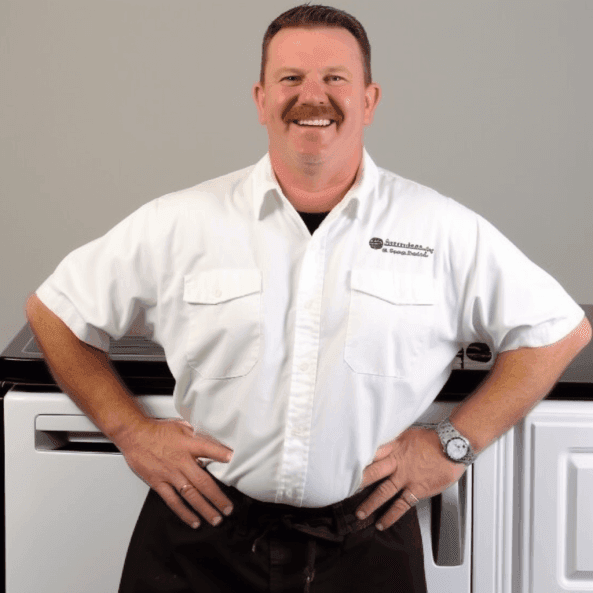
Hey, I’m Jake. I focus on cooling systems at Appliance Mastery, like fridges, freezers, and air conditioners.
I’ve worked in appliance repair for more than ten years and I’m certified through NASTeC. I’ve seen just about every fridge issue you can imagine.
My goal is to help you fix problems without stress. Whether it’s a freezer that won’t cool or an AC that keeps beeping, I’m here to walk you through it.