
Daikin VRV 2 fault codes identify sensor failures or communication breaks in the refrigerant system. Technicians retrieve these codes from the remote controller display to isolate the problem without full system disassembly. Most repairs start with sensor testing and wiring inspection before any component replacement occurs.
Daikin VRV II Frequent Code Triggers
The Daikin VRV II platform records operational data across indoor and outdoor units. Service personnel pull these records through the wired remote or a dedicated checker device. Patterns emerge when multiple units report the same code during peak load periods. Aggregated field data from commercial sites shows that sensor drift accounts for over half of logged events. This table compiles the most frequent codes along with their primary triggers and estimated repair times.
| Code | Description | Primary Cause | Repair Time |
|---|---|---|---|
| E1 | Indoor unit sensor open circuit | Failed thermistor | 30 minutes |
| E3 | High pressure switch trip | Dirty heat exchanger | 45 minutes |
| E6 | Outdoor communication loss | Corroded harness | 60 minutes |
| E7 | Fan motor overcurrent | Seized bearing | 90 minutes |
| F3 | Discharge temperature high | Low refrigerant charge | 120 minutes |
Daikin VRV II Communication Code Patterns
Field reports from Daikin VRV II installations reveal that communication codes appear most often after power fluctuations. Sensor codes follow closely when units operate beyond design temperatures. Pressure related codes increase during summer months when airflow restrictions develop on outdoor coils. Analysis of service logs indicates that early detection through routine code checks prevents cascade failures across linked indoor units. Technicians who review historical data before site visits reduce repeat calls by addressing root patterns rather than isolated symptoms.
Daikin VRV 2 Low Occupancy Code Access
Technicians prepare the service checker tool and a copy of the unit wiring diagram before arrival. They power the system in test mode and scroll through the remote menu to capture active and historical codes. Recording each code with the corresponding unit address prevents misdiagnosis when multiple indoor units share one outdoor unit. Logistics planning includes scheduling access during low occupancy hours to avoid disrupting building operations. Proper documentation of retrieved codes supports warranty claims when parts replacement becomes necessary.
Daikin VRV II Thermistor Resistance Checks
Daikin VRV II outdoor units rely on multiple thermistors to regulate compressor speed. A technician removes the service panel and measures resistance across each sensor terminal with the power isolated. Replacement requires matching the exact resistance curve listed in the service manual. Wiring harness inspection follows sensor checks because corrosion at the connector often mimics a failed sensor reading. This sequence keeps diagnostic time under one hour on most rooftop installations.
Daikin VRV II Address Conflict Checks
Communication faults on Daikin VRV II indoor units trace to address conflicts or loose transmission lines. The process begins with verification that each indoor unit holds a unique address within the group. Technicians then inspect the two wire bus for proper polarity and secure terminations at every junction box. Power cycling the entire system after corrections confirms the code clears from the display. Persistent errors require replacement of the indoor control board as a last step.
Daikin VRV 2 Pressure Code Diagnosis
High or low pressure codes on Daikin VRV II systems require measurement at the service ports with calibrated gauges. A technician compares actual pressures against expected values at the current ambient temperature. Low readings prompt a leak search starting at flare connections and coil joints. High readings lead to airflow verification on both indoor and outdoor heat exchangers. Accurate pressure logging during the event supports decisions on whether to add refrigerant or perform a full evacuation.
Daikin VRV Remote Controller Code Retrieval
Accessing fault codes through the Daikin VRV remote controller allows quick identification of system errors in VRV 2 setups. This approach displays specific codes tied to component failures and operational issues without external equipment. Technicians can then match those codes to targeted fixes for faster resolution.
Pull the active codes from the remote controller first. Cross reference each code against the master table to select the correct test sequence. Complete sensor and wiring checks before ordering replacement parts.
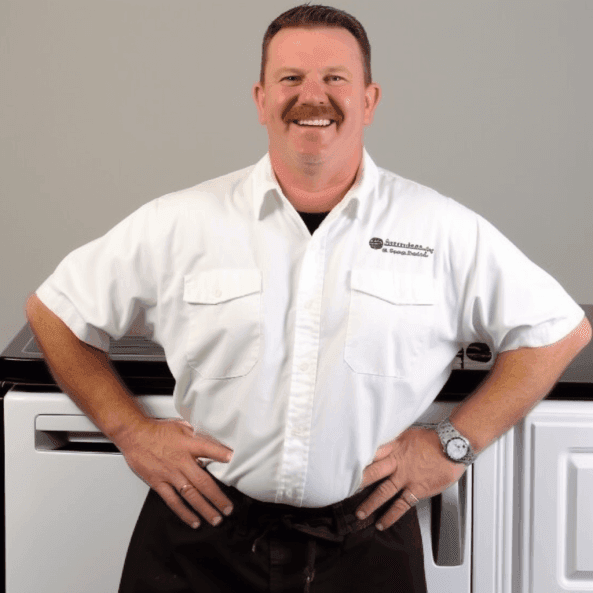
Hey, I’m Jake. I focus on cooling systems at Appliance Mastery, like fridges, freezers, and air conditioners.
I’ve worked in appliance repair for more than ten years and I’m certified through NASTeC. I’ve seen just about every fridge issue you can imagine.
My goal is to help you fix problems without stress. Whether it’s a freezer that won’t cool or an AC that keeps beeping, I’m here to walk you through it.