
Have you ever jumped in the shower only to be greeted by a blast of cold water? If your gas hot water heater isn’t heating like it used to, you’re not alone. Many people face this frustrating issue, especially during those chilly mornings when a warm shower feels like a necessity.
Key Takeaways
- Identify Common Issues: Key problems affecting gas hot water heaters include faulty thermocouples, gas valves, and lack of gas supply. Understanding these can help in troubleshooting.
- Thermostat Settings Matter: Ensure the thermostat is set to at least 120°F. Incorrect settings can lead to inadequate hot water.
- Inspect the Pilot Light: A blown-out pilot light stops the heater from working. If it fails to stay lit, further investigation may be needed, possibly involving the thermocouple or venting.
- Regular Maintenance is Key: Conduct biannual inspections, clean the burner assembly annually, and flush the tank every six months to enhance efficiency and prevent issues.
- Know When to Call a Professional: Signs of serious issues include no hot water, fluctuating temperatures, strange noises, unusual smells, and water leaks. Don’t hesitate to seek expert help when needed.
- Schedule Professional Maintenance: Annual professional inspections are vital for optimal performance and safety, helping to identify and resolve potential problems early on.
Common Causes of Gas Hot Water Heater Issues
Gas hot water heaters often face several common issues that contribute to inadequate heating. Understanding these causes helps you troubleshoot effectively.
Thermocouple Problems
Thermocouples play a crucial role in regulating gas flow. A malfunctioning thermocouple could hinder the heater’s ability to ignite. If the pilot light won’t stay lit, check if the thermocouple is dirty or misaligned. Cleaning or repositioning it often solves the issue. If problems persist, replacing the thermocouple becomes necessary.
Faulty Gas Valve
A faulty gas valve can impede gas flow to the burner. If the valve doesn’t open completely, the heater won’t generate enough heat. You can identify issues with the valve if you notice unusual smells or sounds. Ensure the gas line is properly connected and not blocked. If issues remain, contact a professional for a thorough inspection.
Lack of Gas Supply
A lack of gas supply significantly impacts heater performance. First, check if the gas supply is turned on. Inspect the valves leading to the heater and ensure they’re open. If the gas meter shows low pressure, you may need to contact your gas supplier. A sudden loss of supply could indicate a larger issue that requires immediate attention.
Troubleshooting Steps
Troubleshooting a gas hot water heater that’s not heating properly involves several key steps. Follow these steps to identify and resolve the issue.
Recommended Products

Robust and Durable: High-quality metal construction, corrosion-resistant, rust-proof, and wear-resistant, ensures long-lasting reliability, reducing replacement frequency and providing cost-effective performance.


Note : This is a gas control valve and should be installed by a professional and not by homeowner as that potentially voids any warranty by not including professional installation.
Check the Thermostat Settings
Check the thermostat settings first. Set the temperature to a minimum of 120°F; most water heaters operate efficiently at this setting. If it’s set too low, the water won’t reach a comfortable temperature. Adjust the settings, then wait a few hours to see if hot water returns.
Inspect the Pilot Light
Inspect the pilot light next. Ensure it’s lit; a blown-out pilot light can stop heating altogether. If the pilot light is out, relight it according to the manufacturer’s instructions. If it won’t stay lit, a faulty thermocouple or partially blocked vent might be the cause, requiring professional assistance.
Examine the Venting System
Examine the venting system. Ensure there are no obstructions in the vents or flue ducts. A blockage can cause dangerous gas buildup, preventing effective heating. Look for debris, nests, or anything that might obstruct airflow. Ensure all venting connections are secure and free from damage before using the unit again.
These steps provide a clear pathway toward identifying and fixing the problem with your gas hot water heater.
Maintenance Tips for Optimal Performance
Regular maintenance prevents issues and enhances the performance of your gas hot water heater. Implement these key practices for consistent hot water availability.
Recommended Products

✅ Special Notes for this item: If you are looking for parts, the BRAND and MODEL No.# listed below are just for your reference. Please Kindly check again for the SIZE and MODEL of your original parts before purchasing. if you have any problem with the item, please feel free to contact us 7 * 24 Hours, We will reply to you within 24 hours and give you a satisfactory solution.

✅ Special Notes for this item: If you are looking for parts, the BRAND and MODEL No.# listed below are just for your reference. Please Kindly check again for the SIZE and MODEL of your original parts before purchasing. if you have any problem with the item, please feel free to contact us 7 * 24 Hours, We will reply to you within 24 hours and give you a satisfactory solution.
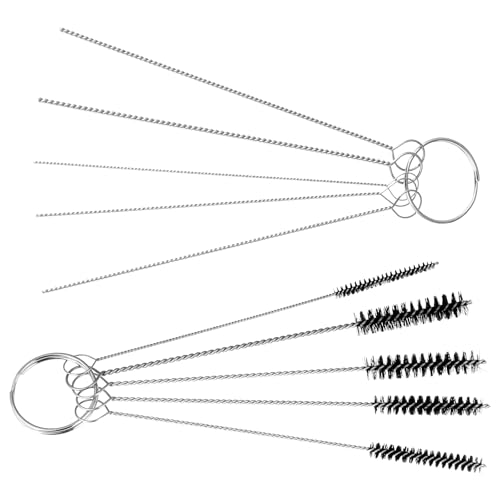
You will get:2pcs of carburetor cleaning tools that includes 5pcs * brushes,5pcs * rods. Each nozzle cleaner contains 10.3cm long steel wires with different diameter cleaning lines to help you remove invisible dirt. The ultra-fine cleaning line allows you to clean tiny copper holes without enlarging them, meeting your multiple needs
Regular Inspections
Inspect your gas hot water heater every six months. Check the thermostat settings to ensure they read at least 120°F. Look for signs of wear or damage on any visible components. If you notice any rust or corrosion, address it immediately to avoid further complications.
Cleaning the Burner Assembly
Clean the burner assembly annually. Accumulation of dirt and debris can hinder heating efficiency. Turn off the gas supply first. Remove the cover and gently clean the components with a soft brush. Ensure the burner openings are clear, allowing for proper gas flow.
Flushing the Tank
Flush the tank every six months to remove sediment buildup. Start by turning off the gas supply and connecting a hose to the drain valve. Direct the hose to a suitable drainage area. Open the drain valve and allow the water to flow until it runs clear. This process improves heating efficiency and extends the lifespan of your heater.
When to Call a Professional
Recognizing when to call a professional can save time and prevent further issues with your gas hot water heater. Certain signs indicate the need for expert help.
Recommended Products

UL Verified V699054 for heat & pressure

WATER HEATER SEDIMENT REMOVAL TOOL – The EZVac Sediment Gone hot water heater flush kit is designed to stir, loosen, and flush out stubborn sediment buildup from the bottom of your water heater tank by actively breaking up compacted sediment while draining.

MULTIPLE BENEFITS – Extend the lifetime of your water heater, improve its efficiency, reduce your energy bill, and increase your hot water supply. This tool pays for itself in one use!
Signs of Serious Issues
- No Hot Water: If the heater isn’t producing hot water despite following troubleshooting steps, a deeper issue likely exists.
- Fluctuating Temperatures: Inconsistent hot water, such as sudden cold bursts during showers, may signal a malfunctioning thermostat or gas valve.
- Strange Noises: Sounds like popping, hissing, or rumbling indicate sediment buildup or other internal problems needing professional assessment.
- Unusual Smells: If you detect a gas odor or any strange smells, this requires immediate attention from a qualified technician.
- Water Leaks: Any signs of leaks around the heater or piping should prompt a professional inspection to prevent water damage or safety hazards.
Importance of Professional Maintenance
Regular professional maintenance is essential for keeping your gas hot water heater running efficiently. Annual inspections can identify potential problems before they escalate. Technicians perform critical tasks such as:
- Thorough Inspections: Checking all components for wear or damage helps maintain optimal performance and extends the heater’s lifespan.
- Safety Checks: Ensuring proper venting and gas supply mitigates the risk of dangerous gas leaks or carbon monoxide buildup.
- Expert Cleaning: Professional cleaning of internal parts helps remove debris and sediment that can affect efficiency and heating output.
Scheduling regular maintenance keeps your hot water heater functioning smoothly, ensuring a reliable supply of hot water whenever you need it.
Conclusion
Dealing with a gas hot water heater that isn’t heating properly can be frustrating but you’re not alone. By understanding the common issues and taking proactive steps you can often restore your hot water supply. Regular maintenance and timely troubleshooting can make all the difference in keeping your heater running smoothly.
If you find yourself stuck despite your efforts don’t hesitate to reach out to a professional. They can provide the expertise needed to tackle more complex problems. Remember having access to hot water is essential for your comfort and peace of mind so staying on top of maintenance is key.
Frequently Asked Questions
What causes a gas hot water heater to stop providing hot water?
A gas hot water heater may stop providing sufficient hot water due to issues like a malfunctioning thermocouple, a faulty gas valve, or a lack of gas supply. These problems can prevent proper ignition or restrict gas flow, leading to inadequate heating.
How can I troubleshoot my gas hot water heater?
To troubleshoot, start by checking the thermostat settings, ensuring they are set to at least 120°F. Inspect the pilot light for proper ignition and examine the venting system for any obstructions. Regular maintenance checks are also crucial.
How often should I maintain my gas hot water heater?
It’s recommended to perform regular maintenance on your gas hot water heater every six months. This includes cleaning the burner assembly annually and flushing the tank to remove sediment buildup, which can affect performance.
When should I call a professional for my hot water heater?
Call a professional if you experience no hot water, fluctuating temperatures, strange noises, unusual smells, or water leaks. These signs indicate potential issues that require expert inspection and maintenance to ensure safety and efficiency.
What is the ideal thermostat setting for a gas hot water heater?
The ideal thermostat setting for a gas hot water heater is typically a minimum of 120°F. This temperature provides sufficient hot water while minimizing the risk of scalding and maximizing energy efficiency.

Hey, I’m Jake. I focus on cooling systems at Appliance Mastery, like fridges, freezers, and air conditioners.
I’ve worked in appliance repair for more than ten years and I’m certified through NASTeC. I’ve seen just about every fridge issue you can imagine.
My goal is to help you fix problems without stress. Whether it’s a freezer that won’t cool or an AC that keeps beeping, I’m here to walk you through it.