
Ever stepped into the shower only to be greeted by a blast of cold water? If your gas water heater isn’t turning on, you’re not alone. This frustrating issue can leave you without hot water when you need it most.
Key Takeaways
- Common Causes: Understanding the main reasons for a gas water heater not turning on includes thermostat issues, pilot light problems, and gas supply interruptions.
- Troubleshooting Steps: Essential actions to take include checking thermostat settings, inspecting the pilot light, and examining the gas supply valve and line for issues.
- Regular Maintenance: Conduct annual inspections and clean the burner assembly to ensure efficient operation and address potential problems early.
- Signs to Call a Professional: Look for unusual noises, fluctuating temperatures, gas odors, leaks, or persistent pilot light issues to determine when expert assistance is needed.
- Finding a Technician: Select a qualified professional by checking credentials, researching experience, reading reviews, getting quotes, and seeking recommendations.
Common Reasons Gas Water Heater Not Turning On
When a gas water heater doesn’t turn on, it can disrupt your daily routine. Understanding the common reasons behind this issue helps you troubleshoot it effectively.
Thermostat Issues
Thermostat settings can impact whether your gas water heater ignites. A thermostat set too low won’t trigger the heater. Ensure the thermostat is at the recommended setting, typically between 120°F and 140°F. If it’s damaged or faulty, replacing it might be necessary.
Pilot Light Problems
A malfunctioning pilot light is a frequent cause of heating issues. If the pilot light’s out, relight it according to the manufacturer’s instructions. If it won’t stay lit, check for issues with the thermocouple or the gas valve. Both may require cleaning or replacement.
Gas Supply Interruptions
Gas supply interruptions can prevent your heater from functioning. Ensure the gas valve is open completely. Check for any signs of gas leaks or interruptions in service from your gas provider. If you suspect a gas leak, evacuate the area and contact a professional immediately.
By identifying these issues, you can quickly tackle the problem of your gas water heater not turning on.
Troubleshooting Steps
If your gas water heater isn’t turning on, follow these troubleshooting steps to diagnose and fix the issue.
Recommended Products
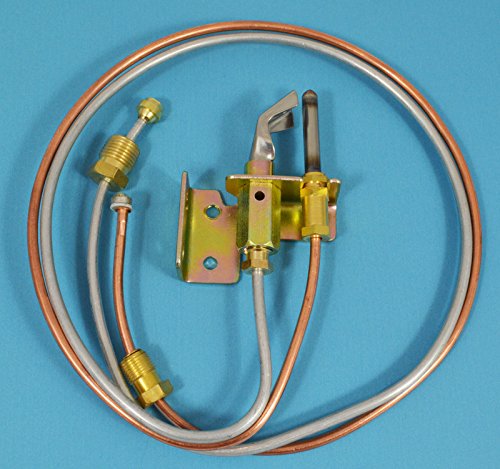
NATURAL GAS WATER HEATER PILOT ASSEMBLY AND THERMOCOUPLE

>【LP Propane Gas Water Heater Pilot Assembly】Replacement for RLP55V, RLP125V, REM55PV, REM125PV, 85-FAC, 125-F, TB115, SPC-85, SPC125, BLP55V. This is a universal LP propane gas water heater pilot assembly, please confirm if your original part size matches this item before replace the broken parts

Small Water Heater Compatibility: The assembly is designed for an efficient and reliable operation. It is ideal for those seeking dependable water heater replacement parts for their gas water heater systems
Checking the Thermostat Settings
- Locate the thermostat. It’s usually found near the top of the water heater.
- Examine the current setting. Ensure it’s set at or above 120°F for optimal performance.
- Adjust as needed. If it’s set too low, raise the temperature. Wait for about 30 minutes to see if the heater activates.
Inspecting the Pilot Light
- Find the pilot light access. Look for a small door on the heater, usually near the bottom.
- Check if the light is lit. If the pilot light is out, follow the ignition instructions on the heater.
- If it won’t relight. Turn off the gas and wait five minutes before trying again. If it still fails, the thermocouple may need replacing.
- Examine the gas supply valve. Make sure it’s fully open.
- Inspect the gas line. Look for any visible damage or obstructions.
- Check for other gas appliances. Confirm whether they function properly. If they don’t, it may indicate a broader gas supply issue. Contact your gas provider if confirmed.
Following these steps can help identify and resolve the issue with your gas water heater.
Maintenance Tips for Gas Water Heaters
Regular maintenance prevents issues with your gas water heater and ensures it operates efficiently. Here are key practices to follow:
Recommended Products

MULTIPLE BENEFITS – Extend the lifetime of your water heater, improve its efficiency, reduce your energy bill, and increase your hot water supply. This tool pays for itself in one use!
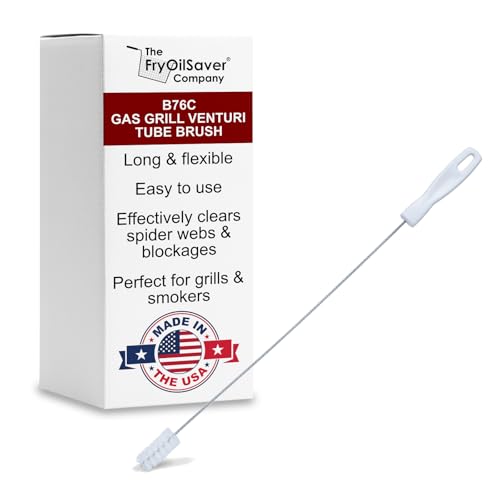
VENTURI TUBE CLEANER FOR GAS GRILLS - Clears Spider Webs & Blockages with Ease, The FryOilSaver Co. B76C Venturi Tube Cleaner is specially designed to clear spider webs, dirt, and debris from gas grill burner tubes, helping to restore proper gas flow and ensure safe, efficient grill operation. A must-have maintenance tool for BBQs, gas grills, and outdoor kitchens, it helps prevent flare-ups, uneven heating, and ignition issues caused by clogged venturi tubes.
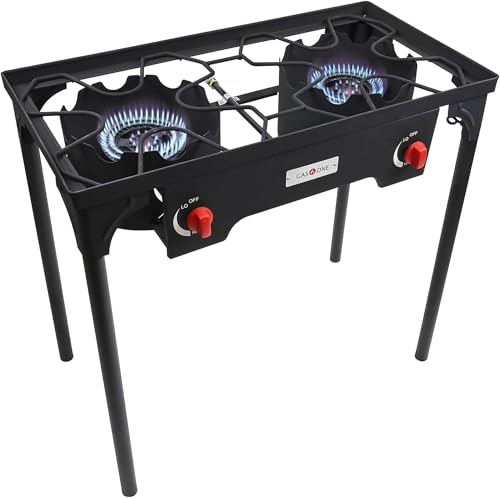
PROPANE DOUBLE BURNER FOR OUTDOOR COOKING - Equipped with two burner heads, Gas One’s Double Burner provides extreme heat for various different cooking scenarios. From tailgating to catering, this burner stands out for those looking for a little more range in their heat
Regular Inspections
Conduct regular inspections of your gas water heater at least once a year. Check the pressure relief valve to ensure it opens and closes smoothly. Inspect the venting system for blockages or damage. Look for signs of leaks around the tank and connections, as small leaks can lead to bigger issues. Test the thermostat settings by adjusting them and observing the heater’s response. If it’s not functioning correctly, consider consulting a professional.
Cleaning the Burner Assembly
Clean the burner assembly to enhance efficiency. First, turn off the gas supply and wait for the heater to cool. Remove the access panel, exposing the burner. Use a soft brush or vacuum to remove dust and debris. Inspect the pilot light for proper flame color—blue is ideal. If the flame is yellow or flickering, clean the thermocouple and burner ports. Reassemble the access panel and turn on the gas. Regular cleaning enhances performance and prolongs the lifespan of your gas water heater.
When to Call a Professional
Recognizing when to call a professional for your gas water heater can prevent further issues and ensure safety. If you’ve exhausted troubleshooting steps, consider the following signs and guidance.
Recommended Products

Note : This is a gas control valve and should be installed by a professional and not by homeowner as that potentially voids any warranty by not including professional installation.
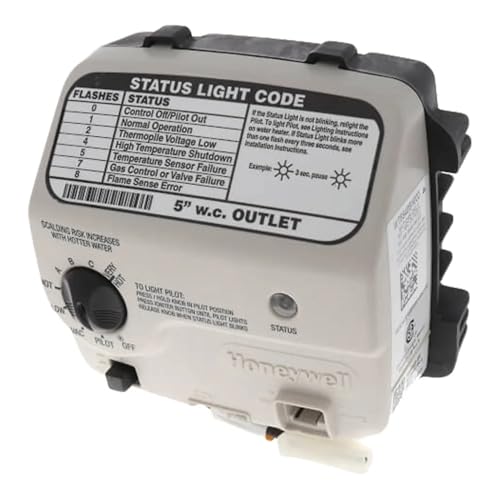
Temperature ratings: ambient-- 0 c to 60 c
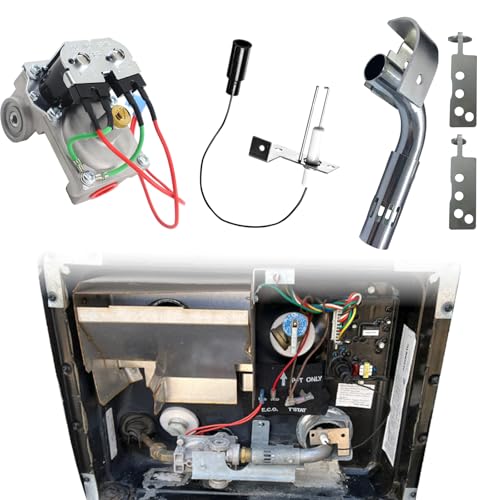
All-in-One Fit for Atwood (Dometic: 91638 Only):This 3-piece kit (93844 Gas Valve, 93868 Igniter, 91638 Burner Tube) fits Atwood 6-10 gallon RV water heaters, compatible with models like GC6AA-10E, GCH6-4E, G10-3E, G6A-4E/6E/8E, and EXT series (G9EXT/G16EXT). Replaces OEM #93870 (93844), #93868 (igniter), #91638/96206 (burner tube) — Dometic compatible only for 91638 (not for other 2 parts)
Signs of Serious Problems
Watch for these indications that signal serious issues with your gas water heater:
- Unusual Noises: Loud banging or popping sounds often reflect sediment buildup or internal damage.
- Fluctuating Water Temperature: If water temperature varies significantly, it may indicate a faulty thermostat or heating element.
- Unexplained Gas Odors: If you smell gas around the heater, leave the area immediately and contact a professional. This signifies a potential gas leak, which poses serious safety risks.
- Leaking Water: Presence of water pooling around the base of the heater suggests a leak. This could result from corrosion or a broken tank.
- Pilot Light Issues: If the pilot light frequently goes out despite relighting efforts, there’s an underlying issue needing expert attention.
Finding a Qualified Technician
Selecting the right technician guarantees effective repairs. Follow these steps to find a qualified professional:
- Check Credentials: Ensure any technician holds the necessary licenses and certifications for gas appliance repair.
- Research Experience: Look for technicians with specific experience in gas water heater maintenance and repair.
- Read Reviews: Customer feedback offers insights into a technician’s reliability and quality of service. Check online reviews and testimonials.
- Get Multiple Quotes: Comparing estimates from different professionals helps you find competitive pricing without sacrificing quality.
- Ask for Recommendations: Friends, family, or neighbors might suggest reputable technicians they’ve used in the past.
These guidelines enable you to safeguard your home and ensure your gas water heater returns to full functionality.
Conclusion
Dealing with a gas water heater that won’t turn on can be frustrating but you’re not alone in this. By following the troubleshooting steps outlined in the article you can often identify and fix the problem yourself. Regular maintenance is key to keeping your water heater running smoothly and avoiding future issues.
If you ever feel unsure or encounter serious problems it’s always best to reach out to a professional. They can help ensure your system is safe and functioning properly. Remember that a little attention now can save you from cold showers later. Stay warm and enjoy your hot water!
Frequently Asked Questions
What should I do if my gas water heater won’t turn on?
If your gas water heater won’t turn on, start by checking the thermostat settings to ensure it’s set above 120°F. Next, inspect the pilot light; if it’s out, attempt to relight it. Also, confirm the gas supply is active by ensuring the gas valve is fully open. If problems persist, consider contacting a professional.
How can I troubleshoot a pilot light issue?
To troubleshoot a pilot light issue, locate the pilot light assembly and check if the flame is lit. If it’s out, follow your water heater’s manual to relight it. If it won’t stay lit, there may be dirt or a broken thermocouple. Cleaning or replacing these components may be necessary.
What maintenance is recommended for gas water heaters?
Regular maintenance for gas water heaters includes annual inspections, checking the pressure relief valve, inspecting the venting system, and cleaning the burner assembly. It’s also important to check for leaks and ensure the pilot light flame is blue, which indicates proper combustion.
When should I call a professional for gas water heater issues?
Call a professional if you notice unusual noises, fluctuating water temperatures, gas odors, leaking water, or ongoing pilot light problems. These signs could indicate more serious issues that require expert attention to ensure safety and proper functioning.
How can I find a qualified technician for repairs?
To find a qualified technician for gas water heater repairs, check their credentials and certifications, research their experience, read customer reviews, and request multiple quotes. Asking for recommendations from friends or family can also lead to reliable service providers.

Hey, I’m Jake. I focus on cooling systems at Appliance Mastery, like fridges, freezers, and air conditioners.
I’ve worked in appliance repair for more than ten years and I’m certified through NASTeC. I’ve seen just about every fridge issue you can imagine.
My goal is to help you fix problems without stress. Whether it’s a freezer that won’t cool or an AC that keeps beeping, I’m here to walk you through it.