
Is your KitchenAid wine cooler not cooling when you need it to? You’re not alone. Many wine lovers face this frustrating issue, especially when they’re ready to enjoy a perfectly chilled bottle.
Imagine planning a dinner party, only to discover your favorite wines are warm and uninviting. It can be a real buzzkill. This article will guide you through common reasons why your wine cooler might be struggling and provide practical solutions to get it back on track. With a little troubleshooting, you’ll have your wine at the perfect temperature in no time.
Key Takeaways
- Common Cooling Issues: KitchenAid wine coolers may not cool properly due to incorrect temperature settings, airflow blockages, dirty condenser coils, faulty door seals, or environmental factors.
- Signs of Malfunction: Indicators that your cooler is not functioning well include inconsistent temperature displays, warm wine bottles, excessive condensation, and unusual noises from the compressor.
- Troubleshooting Steps: Begin troubleshooting by checking temperature settings, inspecting for airflow obstructions, cleaning condenser coils, examining door seals for damage, and monitoring the surrounding environment.
- Professional Help: If issues persist after troubleshooting, it may be time to contact a professional technician for diagnosis and repair, especially if there are signs of a refrigerant leak or defective compressor.
- Maintenance Tips: Regular maintenance, including cleaning condenser coils, checking door seals, avoiding overload, monitoring ambient conditions, and programming the thermostat correctly, will help ensure efficient operation and prolong the life of your wine cooler.
Overview of KitchenAid Wine Cooler
KitchenAid wine coolers offer reliable storage for your wine collection, helping maintain optimal temperatures for aging and serving. You can find varying capacities, ranging from small models that hold a few bottles to larger units designed for extensive collections. Designed for both aesthetics and performance, they fit seamlessly into various kitchen styles.
Common features include dual temperature zones, adjustable shelves, and UV-resistant glass doors. These elements protect your wine from harmful light exposure while allowing easy access. Temperature controls are typically digital, providing precise settings that suit different types of wine.
When troubleshooting cooling issues, start by checking the temperature settings and ensuring the unit isn’t overcrowded. Proper airflow is essential for consistent cooling. Inspect the condenser coils for dust buildup, which can impede performance.
You can also examine the door seal for any gaps, making sure cold air isn’t escaping. If you notice persistent problems, it could indicate issues with the compressor or other internal components. In such cases, contacting a professional technician usually proves necessary for further diagnosis and repairs.
Common Issues with KitchenAid Wine Coolers
You might notice certain problems with your KitchenAid wine cooler that impact its cooling efficiency. Understanding these common issues helps you troubleshoot effectively.
Signs That Your Wine Cooler Is Not Cooling
Monitor these signs to determine if your wine cooler isn’t cooling properly:
- Temperature Display: The temperature reading shows inconsistencies or doesn’t match your set temperature.
- Warm Bottles: Wine bottles feel warm to touch when they should be chilled.
- Condensation: Excess moisture or condensation forms inside the cooler, indicating a problem with temperature regulation.
- Noise Changes: Unusual noises or lack of sound from the cooling compressor can signal issues.
Potential Causes of Cooling Issues
Several factors can contribute to your KitchenAid wine cooler not cooling as expected. Look for these potential causes:
- Temperature Settings: Verify that you’ve set the correct temperature. Adjust settings if necessary.
- Airflow Blockage: Check for obstructions near vents and shelves. Clear any items blocking airflow.
- Dirty Condenser Coils: Inspect the condenser coils for dirt or dust buildup. Clean them gently, as accumulated dust can hinder cooling efficiency.
- Faulty Door Seals: Examine the door seals for gaps or tears. Damaged seals can lead to warm air entering the cooler.
- Environmental Factors: Consider the ambient temperature around the cooler. Spaces excessively warm or humid can affect performance.
Addressing these signs and causes promptly helps maintain your wine at the ideal serving temperature.
Troubleshooting Your KitchenAid Wine Cooler
Addressing cooling problems with your KitchenAid wine cooler requires a systematic approach. Follow these steps to identify and resolve the issue effectively.
Step-by-Step Guide to Fix Cooling Problems
- Check Temperature Settings: Ensure the temperature is set between 45°F and 65°F. Adjust the setting if it’s higher than necessary.
- Inspect Airflow: Clear any obstructions around the cooler. Ensure there’s at least a few inches of space for ventilation.
- Clean the Condenser Coils: Dust or dirt buildup can impair cooling efficiency. Use a vacuum or a soft brush to clean the coils, usually located at the back or bottom of the unit.
- Examine Door Seals: Look for gaps or tears in the door seals. If you find any damage, consider replacing the seals to prevent cool air from escaping.
- Monitor the Environment: Ensure the cooler is placed in a climate-controlled area. High temperatures or humidity can impact its performance.
- Listen for Unusual Noises: Pay attention to noises coming from the compressor. Continuous rattling or buzzing may signal a malfunction.
When to Call a Professional
If you’ve tried the above steps and your KitchenAid wine cooler still isn’t cooling, it’s time to contact a professional technician. Common signs that indicate a need for expert help include continuous compressor operation without cooling, persistent warm bottles, or error codes displayed on the control panel. A professional can diagnose potential issues, such as a refrigerant leak or a defective compressor, ensuring your cooler functions properly again.
Maintenance Tips for Your Wine Cooler
Keeping your KitchenAid wine cooler in top shape ensures optimal performance and preserves your wine collection. Here are essential maintenance tips to follow:
Clean the Condenser Coils
- Frequency: Check and clean condenser coils every six months.
- Methods: Use a vacuum cleaner or a soft brush to remove dust and debris. This encourages better airflow and improves cooling efficiency.
Check Door Seals
- Inspection: Examine door seals regularly for cracks or tears.
- Fixes: Replace damaged seals immediately. This prevents warm air from entering and maintains a consistent internal temperature.
Avoid Overloading the Cooler
- Guidelines: Ensure proper spacing between bottles. Overcrowding blocks airflow and hinders temperature control.
- Arrangement: Use adjustable shelves to customize storage to your collection size.
Monitor Ambient Temperature and Humidity
- Ideal Conditions: Maintain a room temperature between 60°F and 80°F. High temperatures can cause cooling issues.
- Humidity Level: Aim for humidity levels between 50% and 70%. Excess moisture can lead to mold or damage to labels.
Regularly Inspect and Replace Filters
- Schedule: Check any air filters every few months and replace as needed.
- Benefits: Clean filters improve airflow and cooling, contributing to the longevity of your unit.
Program the Thermostat Correctly
- Setting: Keep your cooler at a temperature between 45°F and 65°F, depending on the wine type.
- Notes: Adjust the thermostat before adding new bottles to give the unit time to stabilize.
- Power Supply: Inspect power cords for wear and ensure your cooler is plugged into a grounded outlet.
- Noise Monitoring: Listen for unusual sounds. If the compressor runs constantly or produces loud noises, it may require professional attention.
Following these maintenance tips keeps your KitchenAid wine cooler functioning efficiently and preserves your wine at the perfect temperature. Regular upkeep prevents issues and enhances your enjoyment of wine.
Conclusion
Dealing with a KitchenAid wine cooler that isn’t cooling can be frustrating but don’t lose hope. With a little troubleshooting and some simple maintenance tips you can often get your cooler back in working order.
Remember to check those temperature settings and ensure there’s proper airflow. Keeping the condenser coils clean and inspecting door seals can go a long way in maintaining optimal performance.
If you’ve tried everything and the problem persists it might be time to call in a professional. Your wine deserves to be stored and served at the right temperature so you can enjoy every sip.
Frequently Asked Questions
What causes a KitchenAid wine cooler to stop cooling properly?
A KitchenAid wine cooler may stop cooling due to incorrect temperature settings, blocked airflow, dirty condenser coils, or damaged door seals. Environmental factors like excessive heat or humidity can also impact its performance.
How can I troubleshoot my KitchenAid wine cooler?
To troubleshoot, check the temperature settings (ideal range is 45°F to 65°F), ensure proper airflow, clean the condenser coils, and inspect door seals for gaps. Listen for unusual compressor noises and monitor the ambient conditions.
How often should I clean the condenser coils?
It’s recommended to clean the condenser coils every six months. Regular cleaning helps maintain optimal cooling performance by removing dust and debris that can obstruct airflow.
What signs indicate that my wine cooler is malfunctioning?
Signs of malfunction include inconsistent temperature displays, warm bottles, condensation inside the cooler, and unusual noises from the compressor. If you notice these issues, investigate and troubleshoot the cooler.
When should I call a professional for repairs?
Contact a professional technician if troubleshooting doesn’t resolve the issue, especially if you see continuous compressor operation without cooling, persistent warm bottles, or error codes on the control panel.
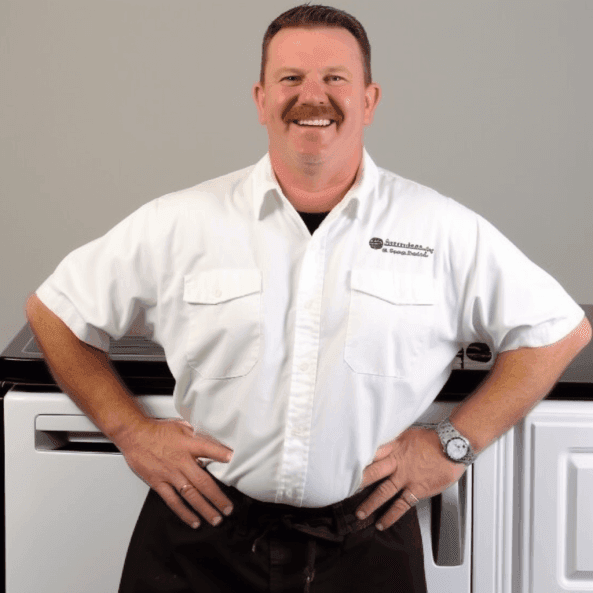
Hey, I’m Jake. I focus on cooling systems at Appliance Mastery, like fridges, freezers, and air conditioners.
I’ve worked in appliance repair for more than ten years and I’m certified through NASTeC. I’ve seen just about every fridge issue you can imagine.
My goal is to help you fix problems without stress. Whether it’s a freezer that won’t cool or an AC that keeps beeping, I’m here to walk you through it.