
Is your Lamona wine cooler not cooling as it should? You’re not alone. Many wine lovers face this frustrating issue, especially when they’re eager to enjoy a perfectly chilled bottle. Picture this: you’ve planned a lovely dinner or a relaxing evening, only to find your favorite wine warmer than you’d like.
Key Takeaways
- Common Cooling Issues: If your Lamona wine cooler isn’t cooling, inspect power supply, thermostat settings, ventilation, and condenser coils for potential problems.
- Types of Wine Coolers: Lamona offers various types, including freestanding, built-in, and countertop models, each tailored for different spaces and needs.
- Regular Maintenance: Cleaning the condenser coils every six months enhances the cooling efficiency of your wine cooler.
- Professional Assistance: Seek professional help for persistent cooling issues, electrical problems, or if there are any visible damages or unpleasant odors.
- Temperature Monitoring: Regularly check the temperature settings to ensure they align with the recommended levels for red and white wines to maintain optimal flavor.
- Dual Zone Benefits: Consider models with dual-zone cooling to store red and white wines at their respective ideal temperatures efficiently.
Overview of Lamona Wine Coolers
Lamona wine coolers offer dedicated storage for your wine collection, ensuring optimal temperature and humidity control. These coolers are designed with various features that cater to the needs of wine enthusiasts.
Key Features of Lamona Wine Coolers
- Temperature Control: Lamona wine coolers provide adjustable temperature settings, allowing you to customize the cooling level for different types of wine.
- Capacity Options: Different models come with various capacities, accommodating anywhere from 7 to 20 bottles. This flexibility suits both casual drinkers and serious collectors.
- Dual Zones: Some models have dual-zone cooling systems, enabling you to store red and white wines at their ideal temperatures.
- UV-Resistant Glass: The sleek design includes UV-resistant glass, protecting your wines from harmful light exposure that can negatively impact taste.
Types of Lamona Wine Coolers
- Freestanding Wine Coolers: These models stand independently, perfect for fitting into living spaces or kitchens. They often feature adjustable feet for stability.
- Built-In Wine Coolers: Designed for seamless integration into cabinetry, these coolers maximize space while providing a stylish storage solution.
- Countertop Wine Coolers: Compact and ideal for smaller areas, countertop models blend functionality with convenience.
Common Cooling Issues
When a Lamona wine cooler isn’t cooling properly, there are several common causes to investigate, such as:
- Power Supply Problems: Ensure the unit is plugged in and the outlet is functioning correctly.
- Thermostat Settings: Check and adjust the thermostat if it’s set too high for your wine preferences.
- Ventilation: Ensure vents are clear of dust or obstructions, allowing for proper airflow.
By understanding these fundamentals, you can better appreciate your Lamona wine cooler’s features and troubleshoot any cooling concerns that arise.
Common Issues with Wine Coolers
Understanding common issues with wine coolers helps you troubleshoot when your Lamona wine cooler isn’t cooling properly.
Reasons for Cooling Failures
- Power Supply Problems: Ensure the cooler’s plugged in securely. Check circuit breakers and fuses for any disruptions in power.
- Thermostat Settings: Incorrect thermostat settings can cause improper cooling. Verify the temperature is set to the right level for your wine.
- Ventilation Obstructions: Blocked air vents can hinder airflow. Confirm that there’s adequate space around the cooler and no items obstructing the vents.
- Dirty Condenser Coils: Dust buildup on condenser coils affects cooling efficiency. Clean the coils regularly to maintain optimal performance.
- Faulty Components: Malfunctions in the compressor or cooling fans can occur. Inspect these parts or consult a technician if needed.
- Temperature Display Issues: If the display shows an inconsistent or incorrect temperature, the cooling mechanism may be malfunctioning.
- Unusually Warm Bottles: If the bottles feel warmer than the set temperature, it indicates a cooling failure.
- Frequent Cycling: If the cooler cycles on and off excessively, it may struggle to maintain a consistent temperature.
- Unpleasant Odors: Foul smells inside the cooler can indicate bacteria growth due to inadequate cooling.
- Ice Buildup: Excessive frost or ice on the cooling elements points to problems with dehumidification or temperature balance.
By monitoring these issues closely, you can better understand your Lamona wine cooler and take appropriate action to ensure its effective operation.
Troubleshooting Lamona Wine Cooler
When your Lamona wine cooler isn’t cooling, a few common issues might be causing the problem. Use the following troubleshooting steps to identify and solve the issues.
Checking Power Supply
Start by ensuring your wine cooler is plugged in properly. Check the outlet for power by plugging in another device. Inspect the power cord for visible damage or fraying. If you notice any issues, consider replacing the cord or getting professional help. Look out for any tripped circuit breakers in your electrical panel. If the breaker is tripped, reset it to see if that restores power.
Inspecting Temperature Settings
Examine the temperature settings on your cooler. Ensure you’ve set the right temperature for your wine type. For reds, aim for around 55°F to 65°F, and for whites, 45°F to 50°F. If the controls seem unresponsive, try adjusting them again. This simple step can often resolve cooling issues. Be aware that some coolers may take several hours to stabilize. Monitor the temperature display to ensure it reflects your settings accurately.
Cleaning the Condenser Coils
Cleaning condenser coils can significantly improve cooling efficiency. Locate the coils, typically on the back or bottom of the unit. Use a vacuum cleaner with a brush attachment to remove dust and debris. For stubborn grime, dampen a cloth with mild soap and wipe the coils gently. Allow the coils to dry completely before plugging the cooler back in. Regular cleaning every six months helps maintain optimal performance.
When to Seek Professional Help
Certain situations indicate the need for professional assistance with your Lamona wine cooler. Understanding these conditions can prevent further damage and ensure optimal performance.
- Persistent Temperature Issues: If your cooler consistently fails to reach or maintain the set temperature after troubleshooting steps, it’s time to call a technician. Consistent warm bottles signal underlying problems.
- Electrical Problems: If you notice unusual sounds, flickering lights, or tripped circuit breakers, professional help is essential. These electrical issues may indicate more significant concerns that need immediate attention.
- Frequent or Irregular Cycling: If the cooler cycles on and off too often or irregularly, this might suggest problems with the compressor or thermostat. A professional can diagnose and resolve these issues effectively.
- Visible Damage or Leaks: Any visible leaks or damaged parts require immediate inspection. Leaks can lead to moisture issues, affecting the wine’s quality. Prompt action prevents further complications.
- Ineffective Cleaning or Maintenance: If regular cleaning didn’t resolve the cooling issues, consulting a professional is a smart choice. They can perform a thorough inspection and service the cooler.
- Unpleasant Odors: If you detect strange or unpleasant smells emanating from the unit, this might indicate a more serious issue. A professional can identify and address the source of the problem effectively.
Consulting with a professional ensures your Lamona wine cooler operates at its best, preserving your wine collection.
Conclusion
Dealing with a Lamona wine cooler that isn’t cooling can be frustrating but don’t lose hope. By following the troubleshooting tips and understanding the potential causes of the issue, you can often get your cooler back to optimal performance. Remember to check the basics like power supply and temperature settings before diving deeper.
If problems persist don’t hesitate to reach out to a professional. They can help ensure your wine cooler is running smoothly so you can enjoy your favorite bottles at the perfect temperature. Cheers to keeping your wine collection safe and sound!
Frequently Asked Questions
What are common reasons for my Lamona wine cooler not cooling effectively?
The main reasons for cooling issues in Lamona wine coolers can include power supply problems, incorrect thermostat settings, dirty condenser coils, or ventilation obstructions. It’s essential to check these areas to identify the problem.
How do I troubleshoot my Lamona wine cooler?
Start by checking the power supply to ensure it’s functioning. Next, inspect the temperature settings and ensure the condenser coils are clean. Look for any obstructions around vents and check for unusual sounds or smells which may indicate more significant issues.
When should I seek professional help for my wine cooler?
You should consider professional assistance if the cooler shows persistent temperature issues, electrical problems, frequent cycling, visible damage, or if you notice unpleasant odors. A technician can diagnose and fix more complex issues effectively.
What are the key features of Lamona wine coolers?
Lamona wine coolers offer adjustable temperature settings, dual-zone cooling for red and white wines, various capacities (from 7 to 20 bottles), and UV-resistant glass. These features ensure optimal storage conditions for your wine collection.
What types of Lamona wine coolers are available?
Lamona offers freestanding, built-in, and countertop models. These options cater to different space requirements and aesthetic preferences, making it easier for wine enthusiasts to find a suitable cooler for their homes.
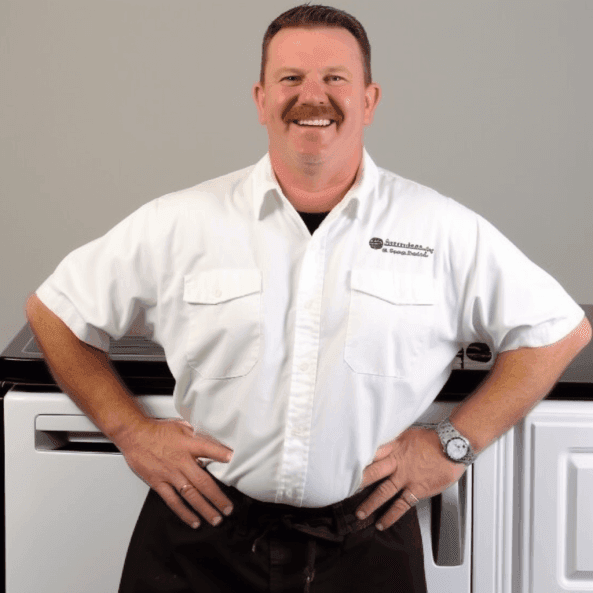
Hey, I’m Jake. I focus on cooling systems at Appliance Mastery, like fridges, freezers, and air conditioners.
I’ve worked in appliance repair for more than ten years and I’m certified through NASTeC. I’ve seen just about every fridge issue you can imagine.
My goal is to help you fix problems without stress. Whether it’s a freezer that won’t cool or an AC that keeps beeping, I’m here to walk you through it.