
Have you ever turned on your hot water tap only to be greeted by a frustrating stream of cold water? If your water heater’s pilot light keeps going out, you’re not alone. This common issue can leave you scratching your head and wondering what to do next.
Key Takeaways
- Understanding the Pilot Light: The pilot light ignites the main burner in gas-powered water heaters and is essential for consistent hot water supply.
- Common Causes of Pilot Light Failure: Issues like clogged gas lines, faulty thermocouples, and drafts can cause the pilot light to go out.
- Essential Troubleshooting Steps: Inspect the thermocouple and gas valve, and ensure proper ventilation to maintain a functioning pilot light.
- Regular Maintenance Practices: Conduct routine checks and cleanings of the thermocouple, burner assembly, and gas vents to prevent pilot light issues.
- When to Seek Professional Help: Persistent pilot light outages, strong gas smells, or unusual noises are indicators that a qualified technician should evaluate your water heater.
Understanding The Pilot Light System
The pilot light system plays a crucial role in your water heater’s operation. Understanding how it functions helps you troubleshoot issues like the pilot light not staying lit.
What Is A Pilot Light?
A pilot light is a small gas flame that ignites the burner of your water heater. It’s an essential component for gas-powered units. When you turn on the water heater, the pilot light creates a consistent flame that heats the water efficiently.
How The Pilot Light Works In Water Heaters
The pilot light ignites gas from the main burner when you need hot water. Here’s how it operates:
- Ignition: The pilot light continuously burns, keeping the gas valve open.
- Heating: When cold water enters, a thermostat detects the temperature drop, prompting the pilot light to ignite the main burner.
- Thermostat Control: The thermostat monitors water temperature, shutting off the gas flow when the desired heat is reached.
This system is essential for maintaining hot water availability, but various factors can cause the pilot light to go out. If it’s not staying lit, check the thermocouple, gas supply, and venting, as these elements can affect its consistent operation.
Common Causes Of Pilot Light Issues
Understanding the common causes of pilot light issues can help you troubleshoot and restore your water heater more efficiently.
Clogged Gas Line
A clogged gas line can prevent gas from reaching the pilot light. Debris, dirt, or corrosion may obstruct the flow of gas. Regular maintenance helps avoid these issues. If you suspect a clog, contact a professional to inspect and clear your gas line.
Thermocouple Malfunction
A malfunctioning thermocouple can cause the pilot light to go out. The thermocouple is a sensor that detects the pilot light’s flame and ensures the gas supply remains on. If it’s faulty or dirty, it may not function correctly. Cleaning or replacing the thermocouple resolves this issue effectively.
Drafts And Ventilation Issues
Drafts or poor ventilation can extinguish your pilot light. Open windows, air vents, or negative pressure from exhaust fans can disrupt the flame. Ensure your water heater is in a protected area to minimize draft risks. Sealing gaps around windows and doors enhances ventilation stability, keeping the pilot light lit.
Troubleshooting Steps
Follow these troubleshooting steps to identify and resolve issues with your water heater’s pilot light.
Recommended Products

RV WATER HEATER PARTS: The pilot assembly attaches to the water heater main burner tube and has a gas tube and thermocouple. The gas tube is the pilot light which ignites the gas from the main burner. The thermocouple is a device, when heated, generates electricity that is sent to the propane gas control. The gas control then allows gas to flow freely through the main burner.

[ NEW Upgraded Replacement ] - This 9003542 water heater pilot assembly is made of premium material. It's designed for Natural gas water heaters and has a temperature setting of 190 degrees, have stable and durable performance. It can solve your water heater malfunctions caused by a damaged pilot assembly or malfunctioning pilot light.
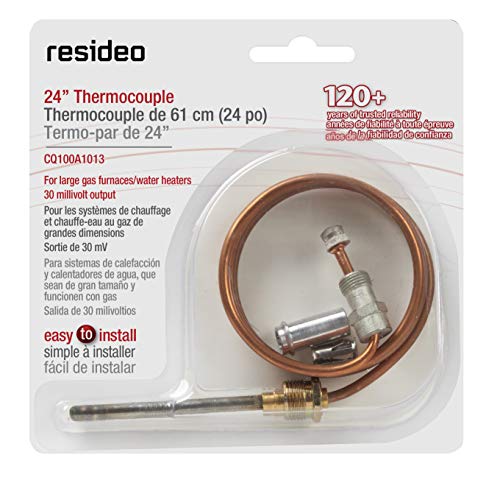
Resideo 24" Thermocouple for Gas Furnaces, Boilers, and Water Heaters
Checking The Thermocouple
A faulty thermocouple often causes the pilot light to go out. To check it, first, locate the thermocouple; it’s a metal rod near the pilot light. Look for discoloration or damage. If you notice dirt or soot, gently clean it with a soft cloth. If it’s damaged, replacing it is necessary. Ensure you turn off the gas supply before making any adjustments.
Inspecting The Gas Valve
The gas valve regulates gas flow to the pilot light. Start by checking whether it’s fully open. If the valve is open but the pilot light still struggles, listen for hissing sounds indicating a gas leak. In that case, turn off the gas immediately and contact a professional. You may also need to replace the gas valve if it’s defective or corroded.
Ensuring Proper Ventilation
Good ventilation is crucial for maintaining a steady pilot light. Check the area around your water heater. Look for drafts caused by windows, doors, or exhaust fans. If possible, close any drafts that may affect the flame. Ensure the water heater has adequate airflow. If it’s in a confined space, increasing ventilation may prevent future pilot light issues.
Preventative Measures
Taking proactive steps can help maintain your water heater’s pilot light. Investing time in regular upkeep prevents many common issues.
Regular Maintenance Tips
- Inspect the Thermocouple Regularly: Check for signs of wear or damage at least every six months. Clean it with a soft cloth to remove any buildup.
- Clean the Burner Assembly: Dust and debris can accumulate. Use a vacuum or a soft brush to keep it clear.
- Ensure Gas Vents Are Clear: Look for blockages in gas vents and exhaust pipes, especially in fall or winter. Clear any debris and ensure no pests obstruct airflow.
- Test the Flame: Observe the pilot light flame. A steady blue flame indicates proper functioning. If it flickers or burns yellow, look for issues.
- Adjust the Gas Pressure: Check the gas regulator settings annually. This ensures optimal performance and efficiency.
- Frequent Pilot Light Outages: If the pilot light goes out multiple times in a short timeframe, it’s best to contact a professional.
- Strong Gas Smell: A noticeable gas odor warrants immediate action. Turn off the gas supply and call for help.
- Visible Rust or Corrosion: Inspect the water heater for rust or corrosion, as these could indicate larger problems.
- Unusual Noises: Loud or unusual sounds from the heater might signify mechanical issues. Professional evaluation is crucial in this case.
- Water Leaks: Any signs of water pooling around the heater point to potential failings in the unit, requiring professional attention.
Implementing these measures helps sustain your water heater’s efficiency and reliability.
Conclusion
Dealing with a pilot light that won’t stay lit can be frustrating but you don’t have to face it alone. By understanding the common causes and following the troubleshooting steps outlined, you can often get your water heater back in working order.
Regular maintenance is key to preventing future issues. Keeping an eye on your thermocouple and ensuring proper ventilation can go a long way in maintaining a steady pilot light. If problems persist don’t hesitate to reach out to a professional for assistance.
With a little attention and care your water heater can keep providing you with the hot water you need.
Frequently Asked Questions
What is a pilot light in a water heater?
The pilot light is a small gas flame that ignites the burner in gas-powered water heaters. It plays a critical role in maintaining hot water by ensuring the burner functions efficiently. Without a functioning pilot light, the water heater cannot heat water properly.
Why does the pilot light go out?
Several factors can cause the pilot light to go out, including a clogged gas line, a malfunctioning thermocouple, drafts from windows or fans, and issues with ventilation. Inspecting these areas can help identify the root cause of the problem.
How can I troubleshoot a pilot light issue?
Start by checking the thermocouple for any damage. Ensure the gas valve is fully open and listen for hissing sounds indicating a gas leak. Additionally, inspect the area around the water heater for drafts that might extinguish the flame.
How often should I maintain my water heater’s pilot light?
Regular maintenance is recommended every six months. This includes checking the thermocouple, cleaning the burner assembly, ensuring gas vents are clear, and testing the flame’s color to ensure it burns correctly.
When should I call a professional for help?
You should seek professional help if you experience frequent pilot light outages, smell gas, notice rust or corrosion, hear unusual noises, or see water leaks. These signs indicate more serious problems that require expert attention.

Hey, I’m Jake. I focus on cooling systems at Appliance Mastery, like fridges, freezers, and air conditioners.
I’ve worked in appliance repair for more than ten years and I’m certified through NASTeC. I’ve seen just about every fridge issue you can imagine.
My goal is to help you fix problems without stress. Whether it’s a freezer that won’t cool or an AC that keeps beeping, I’m here to walk you through it.