
Have you ever jumped into the shower only to be greeted by a blast of icy water? It’s a frustrating experience that can leave you wondering why your water heater isn’t working. Whether you’re dealing with lukewarm water or no hot water at all, understanding the common reasons behind these issues can save you time and headaches.
Key Takeaways
- Identify Common Issues: Water heater problems can stem from electric malfunctions, gas supply issues, or pilot light failures; understanding these can aid in troubleshooting.
- Electric Heater Checks: Common electrical issues include tripped circuit breakers, faulty heating elements, and malfunctioning thermostats; inspecting these components is essential for resolution.
- Gas Heater Troubleshooting: Ensure the gas supply is open and check for thermocouple malfunctions or burner obstructions to maintain efficient gas heater operation.
- Regular Maintenance: Schedule yearly inspections and flush the tank every six months to prevent sediment buildup and ensure your water heater operates effectively.
- Know When to Call a Professional: Recognize persistent issues, unusual noises, leaks, discolored water, and pilot light problems as signs that professional assistance may be required.
Common Reasons Water Heater Not Working
A malfunctioning water heater can disrupt your daily routine, leading to unpleasant experiences like cold showers. Here are some common reasons that may cause your water heater to stop working effectively.
Electric Water Heater Issues
Electric water heaters can encounter specific problems.
- Tripped Circuit Breaker: Check your breaker box. If the circuit for your heater tripped, reset it.
- Faulty Heating Elements: Inspect both upper and lower elements. A burned-out element requires replacement.
- Bad Thermostat: Test the thermostat settings. If it doesn’t maintain the correct temperature, replacing it might be necessary.
Gas Water Heater Problems
Gas water heaters are popular but can develop issues.
- Gas Supply Issues: Ensure your gas supply valve is open. If it’s closed or there’s a gas outage, your heater won’t function.
- Thermocouple Malfunction: A faulty thermocouple can prevent the gas valve from opening. Replacing it often fixes this issue.
- Burner Obstruction: Check for debris in the burner assembly. Clearing blockages can restore your heater’s efficiency.
Pilot Light and Ignition Failures
Pilot lights and ignition systems can cause heating problems.
- Out Pilot Light: If your pilot light is off, relight it following the manufacturer’s instructions.
- Ignition Failure: For units with electric ignition, examine the ignition system. If it doesn’t spark, you may need a professional inspection.
- Flame Sensor Issues: A dirty or damaged flame sensor can lead to shutdowns. Cleaning or replacing the sensor often resolves this concern.
Understanding these common issues can help you troubleshoot problems effectively and ensure consistent hot water in your home.
Troubleshooting Steps
When your water heater stops working, a few simple checks can resolve the issue. Follow these steps to identify the problem.
Recommended Products
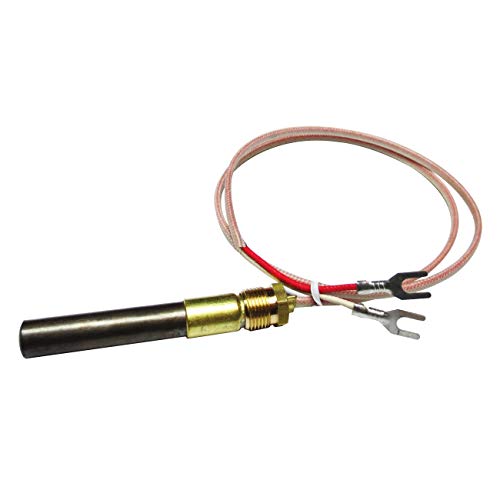
REPLACEMENT FIREPLACE THERMOPILE-compatible with the majority of units. For example water heater, Oven, Fireplace & Stove etc..;

It can convert from household or industrial socket (AC100V - 260V) to DC power supply (DC12V).

Checking Power Supply
- Inspect breaker box: Look for tripped circuit breakers. Reset any that are off.
- Verify power source: Ensure the heater is plugged in if it’s electric. Check for any plug damage.
- Test outlet function: Use a multimeter to confirm the outlet provides electricity.
- Look for fault indicators: Check for warning lights on the heater. Consult the manual for meanings.
- Check gas valve: Ensure the gas valve is open. It should point in line with the gas line.
- Inspect for gas odor: If you smell gas, evacuate and contact your gas company immediately.
- Confirm pilot light: For gas heaters, check if the pilot light is lit. If not, follow the manufacturer’s relighting instructions.
- Examine gas line: Look for visible damage to the gas line. Damage can hinder gas supply.
These troubleshooting steps can help you regain hot water quickly.
Maintenance Tips for Prevention
Regular maintenance keeps your water heater running efficiently. By following a few simple tips, you can prevent common issues and enjoy consistent hot water.
Recommended Products
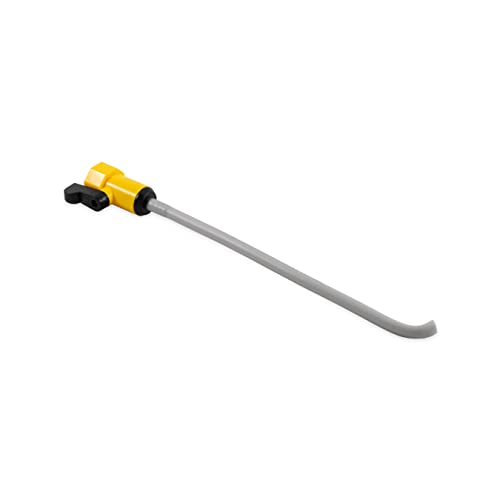
Extends the Life of Your Water Heater: The tank rinser lifts sediment that collects at the bottom of water heaters and flushes it out. This Camco RV accessory is compatible with residential and camper water heaters.

【Metal Tube】RV water heater flush wand is made of stainless steel and has a rubberized non-slip handle that is cold and heat resistant to ensure it will last season after season.

COPPER HANDLE: the handle is made of high quality copper, ensuring durability, anti-corrosion, reliability and a long service life.
Regular Inspections
Inspect your water heater at least once a year. Check for leaks around the tank and connections. Look for signs of corrosion or rust, which indicate potential problems. Ensure all components, including the thermostat and heating elements, are in good condition. If you notice damage or wear, contact a professional for repairs.
Flushing the Tank
Flush your tank every six months to remove sediment build-up. Sediment can decrease efficiency and cause overheating. To flush the tank:
- Turn off the power supply: For electric heaters, switch off the breaker; for gas heaters, turn the thermostat to the “pilot” setting.
- Connect a garden hose: Attach it to the drain valve at the bottom of the tank.
- Open the valve: Let the water drain into a bucket or outside until it runs clear.
- Close the valve and refill: Disconnect the hose, close the valve, and restore power.
By performing these maintenance tasks, you can extend the lifespan of your water heater and reduce the risk of unexpected failures.
When to Call a Professional
Sometimes, water heater issues go beyond simple fixes. It’s crucial to recognize when it’s time to bring in a professional.
- Persistent Issues: If you’ve tried troubleshooting steps without success, like adjusting the thermostat or resetting the circuit breaker, a qualified technician can diagnose more complex problems.
- Unusual Noises: Strange sounds, like clanking or rumbling, often indicate sediment build-up or failing components. Professionals can properly assess and resolve these issues.
- Leaking Water: Any leak around the heater can signify serious problems. Small leaks can turn into significant water damage if not addressed immediately, so contact a pro right away.
- Discolored Water: Rusty or discolored water often indicates corrosion inside the tank. Call a professional to evaluate the condition of your water heater and prevent potential health risks.
- Lack of Hot Water: If hot water is scarce despite setting the temperature correctly, a technician should inspect the heating elements or other critical components that might be malfunctioning.
- Pilot Light Issues: If the pilot light won’t stay lit after relighting attempts, there’s likely a problem with the thermocouple or gas supply. An expert can ensure safe and proper repairs.
By identifying these signs early, you can avoid costly repairs and ensure your water heater operates efficiently.
Recommended Products

UL Verified V699054 for heat & pressure

MULTIPLE BENEFITS – Extend the lifetime of your water heater, improve its efficiency, reduce your energy bill, and increase your hot water supply. This tool pays for itself in one use!

WATER HEATER SEDIMENT REMOVAL TOOL – The EZVac Sediment Gone hot water heater flush kit is designed to stir, loosen, and flush out stubborn sediment buildup from the bottom of your water heater tank by actively breaking up compacted sediment while draining.
Conclusion
Dealing with a malfunctioning water heater can be a real hassle but understanding the common issues and how to troubleshoot them makes a huge difference. By staying proactive with maintenance and knowing when to call in a professional, you can keep your hot water flowing smoothly. Remember to check those simple things first before diving into more complex fixes. With a little effort and attention, you’ll enjoy the comfort of hot water whenever you need it. Don’t let water heater troubles disrupt your day—take control and stay warm!
Frequently Asked Questions
What are common problems that cause cold water in the shower?
Many issues can lead to cold water in the shower, including malfunctioning water heaters, tripped circuit breakers, faulty heating elements, and problems with gas supply for gas heaters. Regular maintenance and inspections can help identify these problems.
How can I troubleshoot my electric water heater?
Start by checking the breaker box for tripped circuits and ensure the power source is functioning. Test the outlet for power and look for any fault indicators on the water heater. These steps can help identify if the heater is receiving power.
What should I do if my gas water heater is not working?
Check the gas valve to ensure it’s open and confirm that the pilot light is lit. If the pilot light is out, follow the manufacturer’s instructions for relighting it. Inspect the gas line for any damage that could affect heating.
How often should I maintain my water heater?
It is recommended to inspect your water heater at least once a year. Regular checks for leaks, corrosion, and the condition of components can help prevent unexpected failures and extend the lifespan of your unit.
When should I call a professional for water heater issues?
Contact a professional if troubleshooting does not resolve the problem, you hear unusual noises, notice leaks, or see discolored water. These signs may indicate deeper issues that require expert attention to avoid costly repairs.

Hey, I’m Jake. I focus on cooling systems at Appliance Mastery, like fridges, freezers, and air conditioners.
I’ve worked in appliance repair for more than ten years and I’m certified through NASTeC. I’ve seen just about every fridge issue you can imagine.
My goal is to help you fix problems without stress. Whether it’s a freezer that won’t cool or an AC that keeps beeping, I’m here to walk you through it.