
Have you ever walked into your basement only to find water pooling around your water heater? It’s a frustrating situation that can lead to costly repairs if not handled quickly. Knowing how to shut off a leaking water heater can save you time, money, and a whole lot of stress.
Key Takeaways
- Quick Response is Key: Knowing how to shut off a leaking water heater promptly can mitigate damage and save on repair costs.
- Identify the Shut-Off Valve: Locate the cold water shut-off valve near the water heater and turn it clockwise to stop the water flow.
- Disconnect Power/Gas Supply: For electric heaters, switch off the power at the circuit breaker; for gas heaters, turn off the thermostat or gas supply valve.
- Regular Maintenance is Essential: Regular inspections and flushing can prevent leaks and extend the lifespan of your water heater.
- Consider Automatic Systems: Installing automatic shut-off systems provides an added layer of safety, detecting leaks and stopping water flow without manual intervention.
- Seek Professional Help When Needed: If leaks persist after taking action, it’s advisable to consult a licensed plumber for further assistance.
Understanding Water Heater Leak Shut Off
Water heater leaks can cause significant damage in a short time. Knowing how to quickly shut off your water heater helps minimize potential issues.
Identifying the Shut-Off Valve
The shut-off valve controls the water flow to your water heater. It’s typically located near the heater on the cold water line. To identify it, look for a valve with a handle or lever, often colored blue.
Steps to Shut Off Your Water Heater
- Locate the Shut-Off Valve
Find the cold water shut-off valve beside the water heater. - Turn Off the Valve
Turn the valve clockwise until it stops. This action halts the water supply to the heater. - Disconnect Power Supply
If you have an electric water heater, turn off the power at the circuit breaker. For a gas heater, turn the thermostat to the “off” position or close the gas supply valve. - Drain the Water Heater
Attach a garden hose to the drain valve at the bottom of the heater. Place the other end of the hose in a suitable drainage area. Open the drain valve to empty the tank.
When to Call a Professional
If the leak persists after shutting off the water, consult a professional plumber. Use their expertise for damaged components, faulty valves, or severe leaks.
Maintaining Your Water Heater
Regularly inspect your water heater for signs of leaks or corrosion. Consider flushing the tank once a year to remove sediment buildup. Keeping your water heater well-maintained extends its lifespan and reduces leak risks.
Familiarity with the shut-off process and prompt action can mitigate the impact of any water heater leaks.
Importance of Water Heater Leak Shut Off
Knowing how to shut off a leaking water heater can save you from extensive damage and substantial repair costs. Taking immediate action prevents water damage and ensures your home remains safe.
Preventing Water Damage
Shutting off your water heater immediately stops leaks and minimizes damage. Water leaks can lead to mold growth, rot, and structural damage. If you notice water pooling around your heater, locate the shut-off valve. Crank it clockwise to stop the flow. To further protect your home, place a bucket under the leak and mop up excess water swiftly. Regularly inspect your water heater for signs of wear or corrosion, as early detection can prevent significant issues.
Ensuring Safety
A leaking water heater poses safety risks, including electrical hazards and potential burns from hot water. By shutting off the heater, you reduce these risks. Always disconnect the power supply before handling the heater, especially if it’s electric. For gas heaters, shut off the gas valve. If the leak continues or worsens, consult a licensed plumber. Prioritize safety by wearing protective gear, such as gloves and goggles, during any maintenance tasks.
Types of Water Heater Leak Shut Off Systems
Different systems control water heater leaks. Understanding these options helps you choose the best fit for your needs. Here’s what to know about manual shut-off valves and automatic shut-off systems.
Recommended Products

Automatic Shut-Off: Innovative LeakBreaker technology automatically shuts off water supply to prevent flooding in case of a leak or burst pipe

Automatic shut-off valve when the sensor detects any leak and the controller sounds alarm
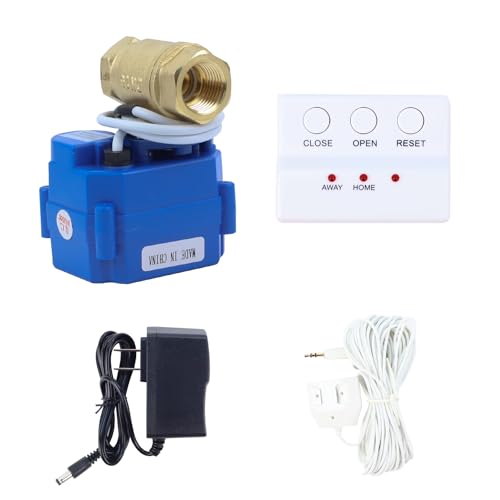
Leak Detection Automatic Shutoff–Leak Prevention Device will automatically shut off the water to your appliances to keep your house from flooding when you’re out off home. It also includes manual open/close buttons and a button to reset after the leak is repaired.It's be used in so many locations in residential and commercial environments like water heater and laundry
Manual Shut Off Valves
Manual shut-off valves require your action to stop leaks. Usually, these valves are located on the cold-water supply line leading to the heater. Here’s how to manage them:
- Locate the Valve: Find the valve near your water heater. It’s often a round or lever-style handle that you can turn.
- Turn the Valve: Rotate the handle clockwise to shut off the water. This action stops further leakage and minimizes water damage.
- Test: Check if water continues to leak after shutting the valve. If it does, investigate further, as this could indicate an internal issue.
Manual shut-off valves provide direct control, but they require you to act quickly during an emergency.
Automatic Shut Off Systems
Automatic shut-off systems offer more convenience and peace of mind. These systems detect leaks and automatically stop the water flow. Here’s how they work:
- Leak Sensors: Place sensors on the floor near your water heater. These devices alert you when they detect moisture.
- Water Flow Shut Off: Some systems shut off the water supply automatically, reducing the risk of significant damage.
- Smart Control: Many automatic systems connect to your smartphone, sending alerts if leaks occur, so you can take action when needed.
Choosing an automatic shut-off system adds an extra layer of safety. It helps prevent costly repairs and damage from water leaks, even if you’re not home.
How to Install a Water Heater Leak Shut Off
Installing a water heater leak shut-off system can prevent significant damage from leaks. Follow these guidelines to ensure a smooth installation process.
Recommended Products

Water leak detection sensor and shut-off valve limits leaks to no more than 20 oz. of water

Comprehensive Kit for Complete Leak Protection: This bundle includes 3 YoLink Water Leak Sensors, 1 Smart Valve Controller, 1 EVO Valve Manipulator/Operator, and 1 YoLink Regular Hub. The perfect solution for home or business owners looking to prevent costly water damage with a smart, easy-to-install system.
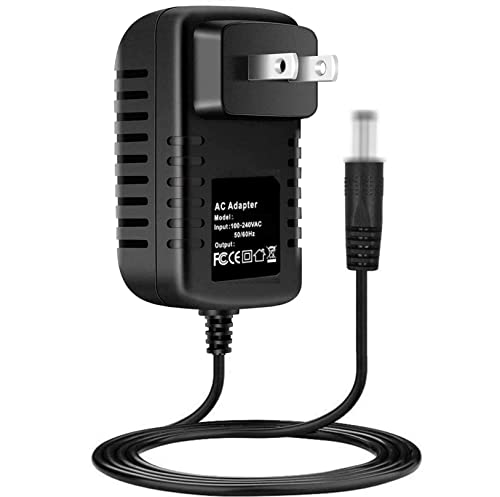
Brand New, High Quality Replacement AC Wall Power Charger Adapter
Tools and Materials Needed
- Shut-off valve kit: Choose a kit compatible with your water heater type.
- Pipe wrench: Use this for loosening and tightening fittings.
- Adjustable wrench: Helpful for various sized nuts and bolts.
- Screwdriver: Required for securing any components.
- Teflon tape: Use for sealing threaded connections to prevent leaks.
- Safety goggles: Protect your eyes during installation.
- Bucket: Place this under existing pipes to catch any water.
- Turn Off the Water Supply: Locate the main water supply valve and turn it off to prevent water flow.
- Drain the Tank: Attach a garden hose to the drain valve at the bottom of the heater. Direct the hose into a bucket and open the valve to drain the tank.
- Cut the Cold Water Line: Identify the cold water supply line. Use a pipe cutter to cut the pipe segment where the shut-off valve will be installed.
- Install the Shut-off Valve: Wrap Teflon tape around the threads of the shut-off valve. Connect it to the cold water line, ensuring it’s tight and secure.
- Reconnect the Cold Water Line: Attach the cut ends of the cold water line to the shut-off valve. Tighten fittings with a pipe wrench.
- Test the Installation: Turn on the main water supply. Open the shut-off valve slowly while checking for leaks around newly installed fittings. If leaks are present, tighten connections.
- Label the Valve: Clearly mark the shut-off valve for easy access in emergencies.
- Regular Checks: Periodically check the valve for functionality. Test the mechanism by turning it off and on every few months to ensure it operates smoothly.
By following these steps, you can effectively install a water heater leak shut-off system and safeguard your home from potential damage.
Maintenance Tips for Water Heater Leak Shut Off Systems
Maintaining your water heater leak shut-off system helps prevent leaks and extends the lifespan of your unit. Follow these simple tips to keep your system in good shape.
Recommended Products


3/4" Npt Water Heater Shut-Off Valve & Actuator

Leak Detection Automatic Shutoff–Leak Prevention Device will automatically shut off the water to your appliances to keep your house from flooding when you’re out off home. It also includes manual open/close buttons and a button to reset after the leak is repaired.It's be used in so many locations in residential and commercial environments like water heater and laundry
Regular Inspections
- Check the shut-off valve monthly. Ensure it operates smoothly and is free from rust or corrosion.
- Inspect the water lines for any signs of wear or damage. Look for fraying or dripping near connections.
Annual Flushing
- Flush your water heater once a year. This process removes sediment buildup, improving efficiency and reducing leak risks.
- Attach a hose to the drain valve and let the water flow until it runs clear. Follow manufacturer instructions for specific flushing tips.
Functional Testing
- Test the automatic shut-off system monthly. Pour water on the sensor to verify it detects leaks and shuts off the water supply as expected.
- Consider performing a manual test by briefly turning off the shut-off valve. Check if the water supply stops completely.
Maintain Temperature Settings
- Set the water heater’s thermostat to 120°F. This temperature minimizes the risk of scalding and is energy efficient.
- Adjustments to the temperature prevent overheating, which can lead to leaks and undue stress on your system.
Keep Area Clear
- Ensure the area around your water heater is free of debris. Store items away from the tank to prevent accidental damage to valves or pipes.
- Maintain accessibility to the shut-off valve for quick action in an emergency.
- Schedule an annual inspection with a licensed plumber. Professionals can identify potential problems before they escalate.
- Discuss your maintenance routine and seek recommendations for any additional steps you might take.
By following these maintenance tips, you can keep your water heater leak shut-off system in optimal condition and greatly reduce the chances of unexpected leaks.
Conclusion
Knowing how to shut off a leaking water heater can save you from a lot of headaches. By taking quick action and understanding your options you can protect your home from potential damage and costly repairs. Whether you opt for a manual shut-off valve or an automatic system it’s all about peace of mind.
Regular maintenance is key to preventing leaks in the first place. Make it a habit to inspect your water heater and its components. With a little attention you can ensure your water heater remains in good shape for years to come. Stay proactive and keep your home safe and dry.
Frequently Asked Questions
What causes water to pool around a water heater?
Water pooling around a water heater is often caused by leaks from the tank, fittings, or the pressure relief valve. Other sources include condensation from the tank and drainage issues. Promptly addressing the issue is crucial to prevent further damage.
How can I shut off a leaking water heater?
To shut off a leaking water heater, locate the shut-off valve on the cold-water supply line, turn it clockwise to close it, disconnect the power supply, and drain the tank to avoid further leakage.
When should I call a professional plumber for a leaking water heater?
Call a professional plumber if the leak persists after shutting off the water supply, if you are unable to locate the source of the leak, or if you suspect serious issues like a damaged tank.
How can I minimize damage from a leaking water heater?
To minimize damage, place a bucket under the leak, mop up excess water, and ensure the area is clear of debris. Acting quickly can prevent mold growth and structural damage.
What are the safety risks associated with water heater leaks?
Safety risks include electrical hazards from water pooling near electrical components and burns from hot water. Always wear protective gear and be cautious when dealing with a leaking water heater.
What are manual and automatic shut-off systems?
Manual shut-off systems require immediate action to stop leaks and are operated via a valve. Automatic shut-off systems detect leaks and stop water flow automatically, providing greater convenience and safety for homeowners.
How do I install a water heater leak shut-off system?
To install a shut-off system, gather tools like a shut-off valve kit, turn off the water supply, drain the tank, cut the cold water line, install the valve, reconnect the line, and test for leaks to ensure everything works.
What maintenance is required for a water heater leak shut-off system?
Regular inspection of the shut-off valve and water lines, annual flushing to remove sediment, and testing of automatic systems are essential. Schedule an annual inspection with a plumber to catch potential issues early and extend the system’s lifespan.

Hey, I’m Jake. I focus on cooling systems at Appliance Mastery, like fridges, freezers, and air conditioners.
I’ve worked in appliance repair for more than ten years and I’m certified through NASTeC. I’ve seen just about every fridge issue you can imagine.
My goal is to help you fix problems without stress. Whether it’s a freezer that won’t cool or an AC that keeps beeping, I’m here to walk you through it.