
Understanding the Whirlpool date code is essential for identifying the age of your appliance and ensuring proper maintenance. This guide outlines common causes of issues related to the date code and provides straightforward solutions to resolve them.
Understanding Whirlpool Date Codes and Their Importance
Whirlpool date codes are crucial for determining the manufacturing date of appliances. Each code consists of letters and numbers that indicate the week and year of production. By decoding this information, you can assess warranty status and plan for repairs or replacements effectively. Familiarity with these codes can save time and money during appliance maintenance.
Common Causes of Whirlpool Appliance Issues
Whirlpool appliances are known for their reliability, but occasional issues can arise. Understanding the common causes behind these problems is essential for effective troubleshooting and maintenance. This section explores frequent appliance malfunctions and offers insights into their underlying reasons, helping you address and resolve any concerns efficiently.
Appliances may exhibit various issues that can often be traced back to their age or specific manufacturing defects. Understanding these causes can help in diagnosing problems quickly. Here are some frequent issues:
Failure to Start
Inconsistent Temperature
Unusual Noises
Water Leaks
Whirlpool Date Code Symptoms and Diagnosis Difficulty
Understanding the symptoms associated with Whirlpool appliances can be crucial for effective troubleshooting. This section delves into common issues linked to date codes, highlighting the challenges users may face in diagnosing these problems. By recognizing these symptoms, users can better navigate their repair options and enhance the longevity of their appliances.
This table summarizes common symptoms, their primary suspects, and the difficulty level of diagnosis.
| Symptom | Primary Suspect | Difficulty (1-5) |
|---|---|---|
| Failure to Start | Faulty Power Supply | 3 |
| Inconsistent Temperature | Thermostat Malfunction | 4 |
| Unusual Noises | Worn Out Components | 2 |
| Water Leaks | Damaged Seals | 3 |
Common Whirlpool Appliance Failure Causes
Understanding the common causes of Whirlpool appliance failures is essential for effective troubleshooting and maintenance. This section delves into frequent issues encountered by users, providing insights into their origins and potential solutions. By identifying these problems, you can enhance the longevity and performance of your Whirlpool appliances.
Identifying root causes is essential for effective repairs. Here are some common root causes associated with Whirlpool appliances:
Electrical Issues
Problems with the power supply can lead to appliances failing to start. Check circuit breakers and outlets for faults.Thermostat Malfunctions
Inconsistent temperatures often stem from faulty thermostats. Testing and replacing the thermostat can resolve this issue.Component Wear and Tear
Over time, components such as motors and seals can wear out. Regular inspections can help catch these issues early.
Whirlpool Date Code Problem-Solving Guide
Understanding the Whirlpool date code is essential for troubleshooting appliance issues effectively. This guide provides a comprehensive overview of common problems associated with specific date codes, along with practical solutions to help you resolve them. By following these insights, you can ensure your Whirlpool appliances operate smoothly and efficiently.
Addressing appliance issues requires a systematic approach. Here’s how to tackle some common problems:
Diagnose the Issue
Check for error codes or unusual behavior. Refer to the user manual for guidance.Inspect Electrical Connections
Ensure all connections are secure. Look for frayed wires or burnt connectors.Test Components
Use a multimeter to test the thermostat and other critical components. Replace any faulty parts.Perform Regular Maintenance
Clean filters and inspect seals regularly to prevent future issues.
Whirlpool Appliance Maintenance Best Practices
Proper maintenance of Whirlpool appliances is essential for ensuring their longevity and optimal performance. By following best practices, users can prevent common issues and enhance the efficiency of their appliances. This section outlines key maintenance tips that will help keep your Whirlpool appliances running smoothly.
Maintaining your Whirlpool appliance involves several practical steps. Consider the following logistics:
Scheduled Inspections
Set reminders for regular inspections. This can help catch issues before they escalate.Keep Spare Parts Handy
Stock common replacement parts like filters and seals. This reduces downtime during repairs.Utilize Professional Services
When in doubt, hire a professional technician for complex repairs. This can save time and ensure quality work.
Additional Resources for Whirlpool Owners
For Whirlpool owners seeking further assistance, a variety of resources are available to enhance your understanding and troubleshooting capabilities. These additional materials provide insights into common issues, maintenance tips, and expert advice, helping you maximize the performance and longevity of your Whirlpool appliances. Explore these options to ensure your appliances operate smoothly and efficiently.
For further assistance, consider these resources:
User Manuals
Always refer to the user manual for troubleshooting tips and maintenance schedules.Online Forums
Engage with other Whirlpool owners in online forums for shared experiences and solutions.Customer Support
Contact Whirlpool customer support for specific inquiries regarding warranty and repairs.
Whirlpool Appliance Repair Safety Guidelines
When working on Whirlpool appliances, safety should always be the top priority. Understanding the essential guidelines for appliance repair can help prevent accidents and ensure a safe working environment. This section outlines key safety measures to follow when servicing Whirlpool appliances, providing valuable insights for both novice and experienced repair technicians.
Always disconnect the power before performing any repairs on your appliance. This ensures safety and prevents further damage.
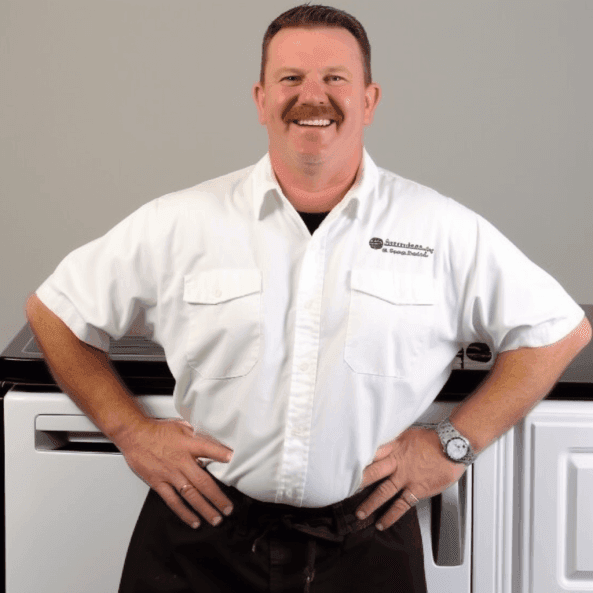
Hey, I’m Jake. I focus on cooling systems at Appliance Mastery, like fridges, freezers, and air conditioners.
I’ve worked in appliance repair for more than ten years and I’m certified through NASTeC. I’ve seen just about every fridge issue you can imagine.
My goal is to help you fix problems without stress. Whether it’s a freezer that won’t cool or an AC that keeps beeping, I’m here to walk you through it.