
Whirlpool microwave defrost food codes simplify the defrosting process by providing specific instructions for various food types. Understanding these codes ensures optimal results and prevents uneven cooking or thawing.
Understanding Whirlpool Microwave Defrost Codes
Understanding the defrost codes on your Whirlpool microwave is essential for effective meal preparation. These codes streamline the process, ensuring that your food is thawed safely and evenly. Familiarizing yourself with these settings will enhance your cooking experience and help maintain the appliance’s efficiency.
Whirlpool microwaves feature a range of defrost codes that cater to different food types, including meat, poultry, and seafood. These codes help users select the appropriate settings for effective thawing.
Each code corresponds to a specific food category, ensuring that the defrosting process is efficient and safe. Familiarizing yourself with these codes can enhance your cooking experience and save time.
Whirlpool Microwave Defrost Codes Explained
Understanding the defrost codes on your Whirlpool microwave can significantly enhance your cooking efficiency. These codes provide specific guidance for defrosting various types of food, ensuring optimal results while minimizing the risk of uneven heating. Familiarizing yourself with these codes will help you make the most of your microwave’s capabilities.
The following table outlines the common defrost codes found in Whirlpool microwaves, along with their designated food types.
| Defrost Code | Food Type | Recommended Weight Range |
|---|---|---|
| 1 | Meat | 1-3 lbs |
| 2 | Poultry | 1-4 lbs |
| 3 | Seafood | 1-2 lbs |
| 4 | Vegetables | 1-2 lbs |
These codes allow for precise defrosting, reducing the risk of cooking food unevenly. Always refer to your microwave’s manual for specific instructions related to your model.
Whirlpool Microwave Defrosting Safety Guidelines
When using a Whirlpool microwave for defrosting, it’s essential to follow specific safety guidelines to ensure food is thawed properly and safely. These practices not only enhance the quality of your meals but also help prevent foodborne illnesses. Understanding these safety measures can make your defrosting experience both efficient and worry-free.
Before using your Whirlpool microwave for defrosting, follow these preparation and safety tips to ensure the best results:
Remove Packaging: Always take food out of its packaging before placing it in the microwave. Plastic wraps and containers can melt or release harmful chemicals.
Cut Food into Smaller Pieces: Dividing larger pieces of food into smaller portions can help them defrost more evenly.
Use Microwave-Safe Containers: Ensure that the container used is labeled microwave-safe to avoid damage or contamination.
Be cautious when handling defrosted food as it may still harbor bacteria if not cooked immediately.
Whirlpool Microwave Defrosting Instructions
Understanding how to effectively use your Whirlpool microwave’s defrosting feature can save you time and ensure your food is thawed safely. This section provides clear instructions on the various defrosting codes available, helping you navigate the settings for optimal results. Follow these guidelines to maintain your microwave and enhance your cooking efficiency.
To effectively defrost food using your Whirlpool microwave, follow these steps:
Select the Defrost Code: Choose the appropriate defrost code based on the food type.
Input Weight: Enter the weight of the food to ensure precise defrosting time.
Start the Microwave: Press the start button and monitor the defrosting process.
Check Food Regularly: Pause the microwave periodically to check the food’s progress and rearrange if necessary.
This method ensures that food is defrosted uniformly, reducing the risk of partially cooked sections.
Whirlpool Microwave Defrosting Problems Explained
Understanding common defrosting problems with Whirlpool microwaves can enhance your cooking experience and ensure food safety. This section delves into typical issues users encounter, offering insights into why these problems arise and how to troubleshoot them effectively. By addressing these challenges, you can make the most of your microwave’s defrosting capabilities.
Sometimes, defrosting may not go as planned. Here are common issues and their solutions:
Food Still Frozen: If food remains frozen after the initial cycle, extend the defrost time in small increments.
Uneven Thawing: Rotate or rearrange food halfway through the defrosting process to ensure even thawing.
Cooking Instead of Defrosting: If the microwave starts cooking the food, reduce the power level and adjust the time accordingly.
These troubleshooting tips can help maintain the quality of your food during the defrosting process.
Maintenance Tips for Your Whirlpool Microwave
Maintaining your Whirlpool microwave is essential for optimal performance and longevity. By following a few simple tips, you can ensure that your appliance runs efficiently and continues to serve you well. This section outlines practical maintenance strategies tailored specifically for Whirlpool microwaves to help you keep them in top condition.
Regular maintenance can enhance the performance of your Whirlpool microwave. Follow these tips:
Clean the Interior Regularly: Wipe down the interior with a damp cloth to remove food splatters and odors.
Check the Door Seal: Ensure the door seal is intact to prevent heat loss and maintain efficiency.
Inspect the Turntable: Make sure the turntable rotates freely to ensure even cooking.
Proper maintenance helps prolong the life of your microwave and improves its functionality.
Whirlpool Microwave Defrosting Best Practices
Understanding Whirlpool microwave defrost codes and following best practices can significantly improve your cooking experience. Always refer to your user manual for specific instructions tailored to your model. Proper preparation, safety, and maintenance will ensure that your microwave remains a reliable kitchen tool.
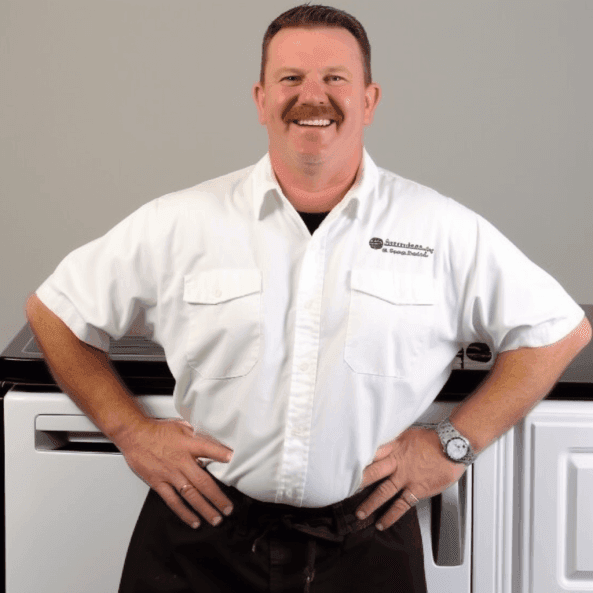
Hey, I’m Jake. I focus on cooling systems at Appliance Mastery, like fridges, freezers, and air conditioners.
I’ve worked in appliance repair for more than ten years and I’m certified through NASTeC. I’ve seen just about every fridge issue you can imagine.
My goal is to help you fix problems without stress. Whether it’s a freezer that won’t cool or an AC that keeps beeping, I’m here to walk you through it.