
The Whirlpool Oven Code E2 F3 indicates a temperature sensor issue, often caused by a faulty sensor or wiring problem. Addressing this promptly can prevent further complications and extend the lifespan of your oven.
Understand the E2 F3 Error Code
The E2 F3 error code on Whirlpool ovens indicates a problem with the oven’s temperature sensor or control board. Understanding this error is crucial for effective troubleshooting and ensuring your appliance operates efficiently. By identifying the cause of the E2 F3 code, you can take the necessary steps to maintain your oven’s longevity.
The E2 F3 error code on a Whirlpool oven typically points to a malfunctioning temperature sensor. This sensor is crucial for regulating the oven’s internal temperature.
If it fails, it can lead to inaccurate heating, affecting cooking performance. Ignoring this issue may result in further damage or costly repairs.
| Symptom | Primary Suspect | Difficulty |
|---|---|---|
| Oven does not heat properly | Faulty temperature sensor | 3 |
| Oven displays E2 F3 code | Wiring issue or sensor failure | 4 |
| Inconsistent cooking results | Sensor miscalibration | 2 |
Identify the Root Cause of E2 F3
Understanding the root cause of the E2 F3 error code in Whirlpool ovens is essential for effective troubleshooting and maintenance. This section will delve into common issues that trigger this error, helping you pinpoint the problem and take appropriate action to ensure your oven operates smoothly for years to come.
Understanding the root cause of the E2 F3 code is essential for effective troubleshooting. The primary suspects include:
Faulty temperature sensor: This is the most common reason for the error.
Wiring issues: Damaged or frayed wires can disrupt the sensor’s function.
Control board malfunction: Rarely, the control board may misinterpret sensor readings.
Whirlpool E2 F3 Temperature Sensor Inspection
When dealing with the Whirlpool oven error code E2 F3, inspecting the temperature sensor is crucial for effective troubleshooting. This section will guide you through the steps to assess the sensor’s condition, ensuring your oven operates efficiently and prolonging its lifespan. Understanding this component can prevent further issues and enhance your cooking experience.
Before diving into repairs, check the temperature sensor for any visible damage. This component is usually located at the back of the oven cavity.
Unplug the oven to ensure safety.
Remove the back panel to access the sensor.
Inspect the sensor for signs of wear or damage.
If the sensor appears intact, proceed to test its resistance.
Whirlpool Oven E2 F3 Sensor Testing Guide
Understanding the E2 F3 error code in Whirlpool ovens is essential for maintaining optimal performance. This section provides a comprehensive guide on testing the sensor associated with this error, helping you diagnose and address issues effectively. By following these steps, you can ensure your oven operates smoothly and extends its lifespan.
Testing the temperature sensor can help confirm if it is the source of the problem. Use a multimeter for this process.
Set the multimeter to the ohms setting.
Disconnect the sensor from the wiring harness.
Measure the resistance of the sensor.
The resistance should typically be around 1,000 ohms at room temperature. If the reading is significantly different, replace the sensor.
Whirlpool Oven E2 F3 Wiring Inspection Tips
When dealing with the Whirlpool oven E2 F3 error code, a thorough wiring inspection is essential for effective troubleshooting. This section provides practical tips to help you identify potential wiring issues that could be contributing to the error, ensuring your oven operates efficiently and prolonging its lifespan. Proper attention to these details can make a significant difference in performance.
If the temperature sensor tests fine, inspect the wiring connections. Damaged wires can lead to inaccurate readings and trigger the E2 F3 code.
Check for frayed wires or loose connections.
Repair any damaged wiring using electrical tape or connectors.
Ensure all connections are secure before reassembling the oven.
Whirlpool Oven E2 F3 Maintenance Tips
Maintaining your Whirlpool oven is essential for ensuring its longevity and optimal performance. The E2 F3 error code can signal various issues, but with the right maintenance tips, you can minimize the risks and keep your oven running smoothly. Here are some practical strategies to help you care for your appliance effectively.
Regular maintenance can help prevent the recurrence of the E2 F3 error code. Implement these practices:
Clean the oven regularly to avoid buildup that can affect components.
Inspect wiring and sensors periodically for signs of wear.
Calibrate the oven if cooking results are inconsistent.
Whirlpool E2 F3 Replacement Parts Guide
When dealing with the Whirlpool oven code E2 F3, understanding the necessary replacement parts is crucial for effective repairs and long-term functionality. This guide provides a comprehensive overview of the essential components you may need to address this error code, ensuring your oven operates smoothly and efficiently for years to come.
When replacing components, always opt for quality parts. Using genuine Whirlpool parts ensures compatibility and reliability.
| Component | Description | Estimated Cost |
|---|---|---|
| Temperature sensor | Essential for accurate heating | $30-$50 |
| Wiring harness | Connects various oven components | $20-$40 |
| Control board | Manages oven functions | $100-$200 |
Whirlpool E2 F3 Professional Repair Options
When dealing with the Whirlpool oven code E2 F3, understanding professional repair options can be crucial for effective troubleshooting. This section explores various expert solutions that not only address the immediate issue but also promote the long-term functionality of your appliance. By considering these options, you can ensure your oven remains in optimal working condition.
If troubleshooting does not resolve the issue, consider consulting a professional technician. They can provide a thorough diagnosis and ensure that all components function correctly.
Do not attempt repairs if you are unfamiliar with electrical systems. Always prioritize safety when working with appliances.
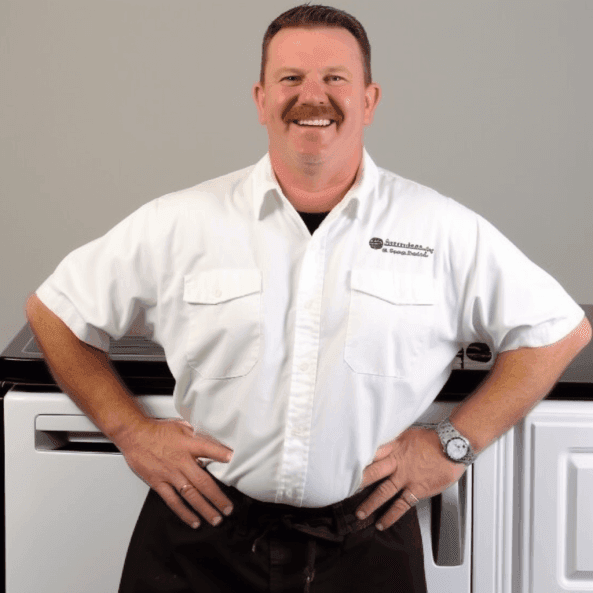
Hey, I’m Jake. I focus on cooling systems at Appliance Mastery, like fridges, freezers, and air conditioners.
I’ve worked in appliance repair for more than ten years and I’m certified through NASTeC. I’ve seen just about every fridge issue you can imagine.
My goal is to help you fix problems without stress. Whether it’s a freezer that won’t cool or an AC that keeps beeping, I’m here to walk you through it.