
Whirlpool oven troubleshooting codes indicate specific issues that can arise during operation. Understanding these codes helps in diagnosing problems and performing necessary maintenance to ensure optimal performance.
Common Whirlpool Oven Troubleshooting Codes
Understanding the common troubleshooting codes for Whirlpool ovens is essential for effective maintenance and repair. These codes provide valuable insights into the appliance’s performance and can help identify issues before they escalate. Familiarizing yourself with these codes will empower you to address problems efficiently and keep your oven running smoothly.
Whirlpool ovens display error codes to alert users about potential issues. Each code corresponds to a specific malfunction, allowing for targeted troubleshooting. Familiarizing yourself with these codes can save time and reduce repair costs.
| Code | Description | Action Required |
|---|---|---|
| F1 | Control board failure | Replace control board |
| F2 | Oven temperature too high | Check temperature sensor |
| F3 | Open temperature sensor | Replace temperature sensor |
| F4 | Shorted temperature sensor | Replace temperature sensor |
| F5 | Door latch failure | Inspect door latch mechanism |
Whirlpool Oven Error Code Interpretations
Understanding the error codes displayed on your Whirlpool oven is crucial for effective troubleshooting and maintenance. Each code provides specific insights into potential issues, enabling you to identify problems quickly and take appropriate action. This section will break down the most common error codes and their meanings, helping you keep your oven running smoothly.
Error codes are crucial for diagnosing issues with your Whirlpool oven. Each code provides insight into what might be malfunctioning. Knowing how to interpret these codes helps in deciding whether to attempt repairs or call a professional.
Whirlpool Oven Error Code Symptoms Explained
Understanding the symptoms associated with Whirlpool oven error codes is essential for effective troubleshooting and maintenance. Each code indicates specific issues that can affect the oven’s performance, and recognizing these symptoms can help you address problems promptly. This section delves into common error codes and their corresponding symptoms to aid in your repair efforts.
Certain symptoms often accompany specific error codes. Recognizing these patterns can expedite troubleshooting.
| Symptom | Primary Suspect | Difficulty (1-5) |
|---|---|---|
| Oven not heating | Heating element failure | 3 |
| Oven door won’t close | Door latch issue | 2 |
| Control panel unresponsive | Control board failure | 4 |
| Error code displayed | Various issues | 3 |
Whirlpool Oven Error Code Troubleshooting Steps
Understanding error codes on your Whirlpool oven is essential for effective troubleshooting and maintenance. This section outlines specific steps to identify and resolve common error codes, helping you restore your appliance’s functionality quickly. By following these guidelines, you can minimize downtime and ensure your oven operates efficiently.
Follow these steps to troubleshoot Whirlpool oven issues effectively. Each step targets common problems based on error codes.
Identify the error code displayed on the oven.
Refer to the troubleshooting table for the corresponding issue.
Inspect the affected component based on the code.
Replace faulty parts as indicated.
Essential Tools for Whirlpool Oven Repairs
When tackling repairs on a Whirlpool oven, having the right tools is crucial for effective troubleshooting. This section outlines the essential tools that can simplify the repair process and enhance your ability to diagnose and fix common issues. Equip yourself with these items to ensure your maintenance efforts are both efficient and successful.
Proper tools and supplies make troubleshooting more efficient. Gather the following items before starting repairs.
Screwdriver set
Multimeter
Replacement parts (as needed)
Cleaning supplies
Whirlpool Oven Safety Precautions for Troubleshooting
When troubleshooting your Whirlpool oven, safety should be your top priority. Understanding the essential precautions can help prevent accidents and ensure a smooth maintenance process. This section outlines key safety measures to keep in mind while addressing any issues with your oven.
Before beginning any troubleshooting, ensure safety measures are in place. Turn off the oven and unplug it to avoid electrical hazards. Wear safety goggles and gloves while handling components.
Whirlpool Oven Maintenance Best Practices
Maintaining your Whirlpool oven is essential for optimal performance and longevity. By following best practices, you can prevent common issues and ensure your appliance operates efficiently. This section outlines key maintenance tips that will help you keep your oven in top condition.
Regular maintenance can prevent many common issues. Implement the following practices to keep your Whirlpool oven in good condition.
Clean the oven interior regularly to prevent buildup.
Inspect door seals for wear and tear.
Test heating elements periodically for functionality.
Whirlpool Oven Repair Risks and Considerations
When addressing issues with your Whirlpool oven, it’s essential to understand the potential risks and considerations involved in the repair process. From electrical hazards to the complexity of certain repairs, being informed can help you make safer and more effective decisions. This section outlines key factors to keep in mind before attempting any maintenance or repair work.
Attempting repairs without proper knowledge can lead to further damage. If unsure about any step, consult a professional technician.
Whirlpool Oven Maintenance Action Steps
Maintaining your Whirlpool oven is essential for optimal performance and longevity. This section outlines practical action steps to address common issues and ensure your appliance operates smoothly. By following these guidelines, you can troubleshoot effectively and keep your oven in top condition.
Maintaining your Whirlpool oven requires attention to detail and understanding of troubleshooting codes. Regular checks and timely repairs will enhance the longevity and performance of your appliance.
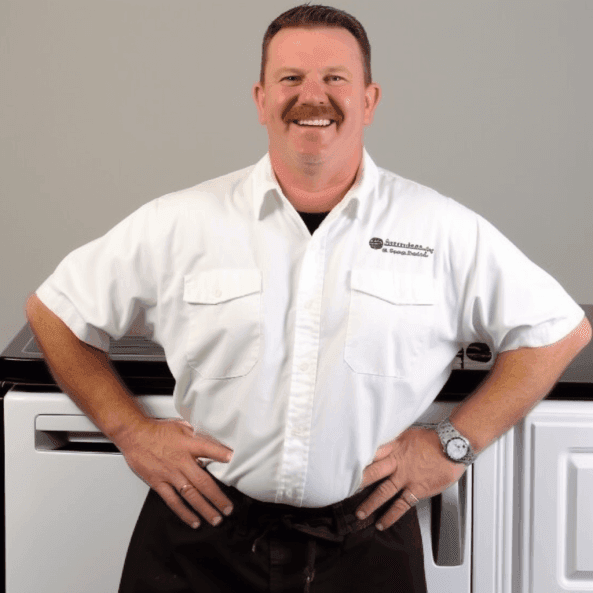
Hey, I’m Jake. I focus on cooling systems at Appliance Mastery, like fridges, freezers, and air conditioners.
I’ve worked in appliance repair for more than ten years and I’m certified through NASTeC. I’ve seen just about every fridge issue you can imagine.
My goal is to help you fix problems without stress. Whether it’s a freezer that won’t cool or an AC that keeps beeping, I’m here to walk you through it.