
If your Whirlpool refrigerator and freezer are not cooling, the issue may stem from a few common problems. Checking the temperature settings and inspecting the door seals are essential first steps to diagnose the issue effectively.
Whirlpool Refrigerator Cooling Failure Causes
Understanding the common causes of cooling failure in Whirlpool refrigerators can help you pinpoint the problem quickly. Many issues can arise, including temperature settings, door seal integrity, and airflow blockages. Identifying these problems early can prevent further damage and save on repair costs.
| Symptom | Primary Suspect | Difficulty 1-5 |
|---|---|---|
| Refrigerator not cooling | Temperature setting | 1 |
| Freezer not cooling | Airflow blockage | 3 |
| Ice buildup | Defrost system failure | 4 |
| Warm air from vents | Compressor issue | 5 |
Whirlpool Refrigerator Temperature Adjustment Tips
When your Whirlpool refrigerator and freezer struggle to maintain the right temperatures, it can lead to food spoilage and frustration. Understanding how to properly adjust the temperature settings is essential for optimal performance. This section provides practical tips to help you fine-tune your appliance for better cooling efficiency.
Incorrect temperature settings often lead to cooling issues. Ensure the refrigerator is set between 35°F and 38°F and the freezer between 0°F and 5°F. If the settings are correct, proceed to inspect other components.
Adjust the settings using the control panel.
Wait 24 hours to see if the temperature stabilizes.
Monitor for fluctuations in temperature.
Whirlpool Refrigerator Door Seal Inspection Tips
A properly functioning door seal is crucial for maintaining the cooling efficiency of your Whirlpool refrigerator and freezer. Over time, seals can wear out or become damaged, leading to temperature fluctuations and increased energy costs. This section provides essential tips for inspecting and maintaining the door seal to ensure optimal performance and longevity of your appliance.
Worn or damaged door seals can cause cool air to escape, leading to inadequate cooling. Inspect the seals for cracks, tears, or dirt that may prevent a proper seal.
Clean the seals with warm, soapy water.
Check for gaps by closing the door on a piece of paper. If it pulls out easily, the seal may need replacement.
Replace damaged seals to ensure an airtight closure.
Whirlpool Refrigerator Airflow Blockage Solutions
Airflow blockage is a common issue that can hinder the cooling efficiency of Whirlpool refrigerators and freezers. Identifying and resolving these blockages is crucial for maintaining optimal performance. This section will explore practical solutions to ensure proper airflow, helping to restore your appliance’s cooling capabilities effectively.
Airflow blockages can significantly impact cooling performance. Make sure the vents inside both the refrigerator and freezer are clear of obstructions.
Remove any items blocking the vents.
Check the back panel for frost buildup, which may indicate a defrost issue.
Ensure the fan is operational by listening for it when the door is open.
Whirlpool Defrost System Troubleshooting Tips
When your Whirlpool refrigerator and freezer fail to cool properly, a malfunction in the defrost system is often the culprit. Understanding how to troubleshoot this system can help you identify and resolve issues effectively. Here are essential tips to guide you through diagnosing and fixing defrost-related problems in your Whirlpool appliance.
A malfunctioning defrost system can lead to ice buildup, preventing proper airflow. This can ultimately cause the refrigerator and freezer to warm up.
Inspect the defrost timer for functionality.
Test the defrost heater for continuity using a multimeter.
Replace faulty components as needed.
Whirlpool Refrigerator Compressor Performance Check
Understanding the performance of your Whirlpool refrigerator’s compressor is crucial when troubleshooting cooling issues. This section will guide you through the steps to assess the compressor’s functionality, ensuring that your appliance operates efficiently and effectively. By following these maintenance secrets, you can identify potential problems and take appropriate action to restore optimal cooling.
If all other components are functioning correctly, the compressor may be the issue. A malfunctioning compressor can prevent the refrigerant from circulating properly.
Listen for unusual noises from the compressor.
Check for overheating by feeling the compressor’s surface.
Consult a technician if the compressor is not cycling on or off.
Whirlpool Maintenance Tools and Supplies List
To effectively address cooling issues in your Whirlpool refrigerator and freezer, having the right maintenance tools and supplies is essential. This section outlines the specific items you’ll need to troubleshoot and resolve common problems, ensuring your appliance operates efficiently and reliably. Equip yourself with these essentials to tackle any maintenance task with confidence.
Before starting any maintenance, gather necessary tools and supplies. This ensures a smooth process and minimizes downtime.
Screwdriver set
Multimeter
Replacement door seals
Defrost timer (if needed)
Cleaning supplies
Whirlpool Refrigerator Maintenance Safety Tips
When dealing with a Whirlpool refrigerator that isn’t cooling, it’s essential to prioritize safety during maintenance. Understanding the proper precautions can help prevent accidents and ensure effective troubleshooting. This section provides crucial safety tips to follow while working on your refrigerator and freezer, allowing you to address issues with confidence.
Safety is paramount when performing maintenance on your Whirlpool refrigerator. Always unplug the unit before beginning any repairs. Use gloves when handling components to avoid injury.
Unplug the refrigerator to eliminate electrical hazards.
Wear gloves to protect your hands from sharp edges.
Ensure proper ventilation in the area to avoid inhalation of dust or fumes.
Whirlpool Refrigerator Repair Techniques
When your Whirlpool refrigerator and freezer fail to cool properly, it can lead to spoiled food and frustration. Understanding effective repair techniques is essential for diagnosing and fixing common issues. This section will explore practical methods to restore your appliance’s cooling capabilities efficiently.
Follow a systematic approach to execute repairs effectively. This ensures that you address the root cause of the cooling issue.
Identify the problem using the checklist.
Perform necessary repairs based on your findings.
Test the refrigerator after repairs to ensure it is cooling properly.
Whirlpool Refrigerator Performance Monitoring Tips
Maintaining optimal performance in your Whirlpool refrigerator is essential for ensuring food safety and energy efficiency. By implementing effective monitoring strategies, you can quickly identify potential cooling issues and address them before they escalate. These tips will help you keep your appliance running smoothly and prolong its lifespan.
After completing repairs, monitor the refrigerator’s performance closely. This will help you identify any lingering issues or confirm that the problem has been resolved.
Check temperatures daily for a week.
Listen for unusual noises that may indicate further issues.
Inspect for frost buildup in the freezer.
If problems persist, contacting a professional technician may be necessary for advanced diagnostics and repairs.
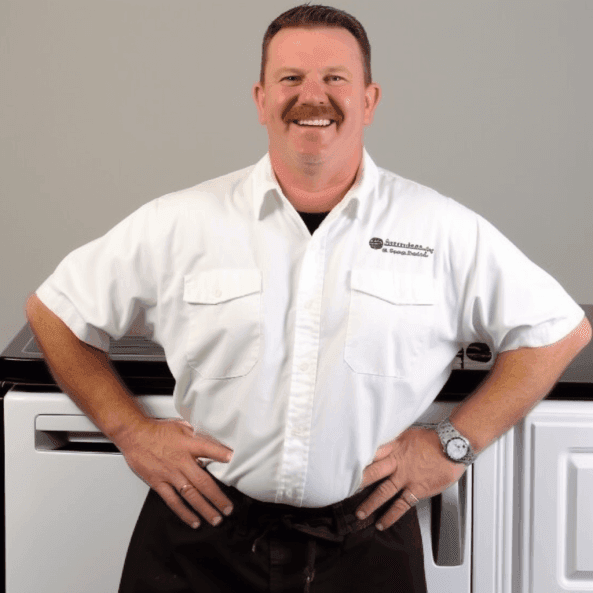
Hey, I’m Jake. I focus on cooling systems at Appliance Mastery, like fridges, freezers, and air conditioners.
I’ve worked in appliance repair for more than ten years and I’m certified through NASTeC. I’ve seen just about every fridge issue you can imagine.
My goal is to help you fix problems without stress. Whether it’s a freezer that won’t cool or an AC that keeps beeping, I’m here to walk you through it.