
Have you ever settled in for a cozy evening by the wood stove only to find the fan isn’t working? It’s frustrating when that gentle hum of warmth turns into silence. You might be wondering what went wrong and how to fix it.
Don’t worry—you’re not alone. Many wood stove owners face this issue at some point. This article will guide you through common reasons your fan might have stopped working and offer practical solutions to get it back up and running. With just a bit of troubleshooting, you can enjoy the comfort of your wood stove once again.
Key Takeaways
- Common Causes: Wood stove fan issues often stem from a lack of power supply, mechanical failures, or debris obstructions on the fan blades.
- Troubleshooting Steps: Verify power connections, inspect mechanical components, and listen for unusual sounds to diagnose problems effectively.
- Maintenance Tips: Regularly clean the fan, check electrical connections, and lubricate moving parts to enhance performance and prevent future issues.
- When to Seek Help: Persistent malfunctions, unusual noises, burning smells, visible damage, or unresponsive power suggest the need for professional assistance.
- Finding a Technician: Research local experts, verify credentials, solicit recommendations, and request quotes to ensure proper repairs to your wood stove fan.
Common Reasons Why Wood Stove Fan Stopped Working
Understanding why your wood stove fan stopped working can help you troubleshoot the issue quickly. Here are some common reasons you might face.
Recommended Products

【𝟯𝟲𝟱 𝗗𝗮𝘆𝘀 𝗪𝗮𝗿𝗿𝗮𝗻𝘁𝘆】We offer one-year after-sales warranty for this 97012248 Range Hood Fan Motor. If the S97012248 range hood fan motor you received is damaged due to rough handling during transportation or our BP17 range hood motor make you dissatisfied or damaged, please feel free to contact us. We provide 24/7 service, and will give you a solution
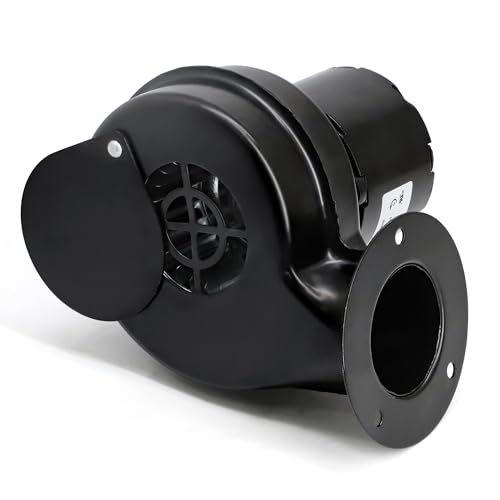
Compatibility - This draft inducer blower is designed for multiple applications including Pellet Stove, Wood Stove, Fireplace, Furnace, Forge and HVAC Systems
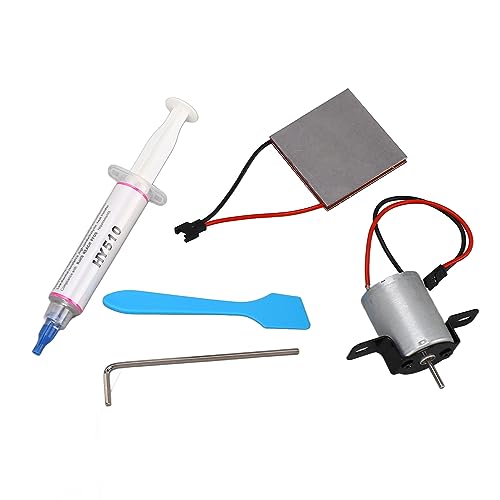
MATERIAL CONSTRUCTION: Crafted from aluminum alloy and brass, this motor power generation sheet features low temperature rise properties and excellent conductivity, ensuring efficient energy transfer in heat-powered applications
Lack of Power Supply
Lack of power supply often causes your wood stove fan not to operate. Ensure that the fan is connected correctly to the power source. Check for loose connections or damaged wires. Use a multimeter to test voltage at the outlet. If there’s no power, inspect your circuit breaker for tripped switches or blown fuses. If your fan uses batteries, replace them with fresh ones to rule out any battery-related issues.
Mechanical Failure
Mechanical failure can also lead to a non-working wood stove fan. Examine the fan blades for obstructions like dust or debris that may prevent movement. Clean the blades and surrounding areas thoroughly. Listen for unusual noises when the fan operates; rattling or grinding sounds typically indicate worn bearings or other internal components needing attention. Remove the fan from the stove and check for any signs of damage or wear. If you notice any serious issues, consider contacting a professional for repairs.
Troubleshooting Your Wood Stove Fan
Troubleshooting a wood stove fan can restore its functionality quickly. Here are steps to help you address common issues.
Recommended Products

►【Cross Reference】 50755-D500 Centrifugal Blower Motor for Arrow Heating 7063-5313, 7021-1543, 7063-1543; Country Flame 7063-8322; Earth Stove 7063-8255, 7063-8585, 7063-0447, 7063-8285; Even Temp 7063-6692, 7063-8537, 7063-8873, 7073-0616; Heat Tech 7063-9534; Martin Industries 7063-3869; Mt. Vernon Fireplace 7063-5031; Nesco 7063-9813; Regency 7063-9224; Travis 7063-8259, 7063-8571; U.S. Stove 7073-1480; Stove 7073-0616, 7073-0488, 7073-1455; Waterford Stove 7063-5921, 7063-8537, 7063-8873; Dayton 1C982, 7021-11396.
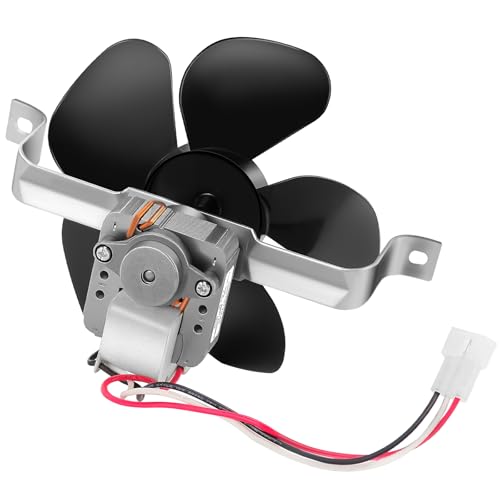
97012248 RANGE HOOD FAN MOTER: 97012248 S97012248 Hood fan motor assembly includes 1 x Motor, 1 x Fan blade and 1 x Fan bracket. Parameters of Exhaust Fan Motor S97012248 are 120V, 60Hz, 3000/1500RPM, 1.0/0.6A,2-Speed. The length of the range hood motor fan bracket is approximately 8 5/8 inch, The diameter of the fan blade is approximately 6 1/2 inch. 97012248 Range Hood Blower Assembly is Well-designed and upgraded for better use in your Stove Range Hood. S97012248 range hood fan motorMade of thicker material, not easy to crack, to ensure long-term effective use, reduce working noise. Range Stove Exhaust Fan Assembly 97012248 is a very good choice for you

Parts Number: 97012248 range hood fan motor parameters are 120V, 60Hz, 3000/1500RPM, 1.0/0.6A, Includes 1 x Motor, 1 x Fan blade and 1 x Bracket, The length of the bracket is approximately 8 5/8 inches and the fan blades are approximately 6 1/2 inches in diameter
Checking Power Connections
Check all power connections to ensure your fan receives adequate electricity.
- Verify Power Source: Make sure the outlet is functional by testing it with another device.
- Inspect Cords: Look for frayed or damaged power cords. Replace them if necessary.
- Examine Plug and Outlet: Ensure the plug fits snugly into the outlet, and check for any signs of burning or damage.
- Reset Circuit Breaker: If the fan operates on a circuit, verify the circuit breaker hasn’t tripped.
Inspecting Motor and Blades
Inspecting the motor and blades helps identify mechanical problems that may hinder performance.
- Listen for Sounds: Turn on the fan and listen carefully. Unusual sounds like grinding or rattling suggest internal issues.
- Clear Obstructions: Remove any debris or dust buildup on the blades. Clean them with a soft cloth for optimal airflow.
- Check Motor Functionality: If you suspect motor failure, test it for responsiveness. If it doesn’t turn, the motor may require replacement.
- Lubricate Moving Parts: Apply a small amount of lubricant to the motor and blade shafts to ensure smooth operation.
By following these troubleshooting steps, you can identify and fix issues with your wood stove fan, allowing you to enjoy its warmth and comfort again.
Solutions to Fix the Issue
Your wood stove fan can start working again with some simple troubleshooting steps. Here’s what you can do.
Recommended Products

Easy Installation for Enthusiasts Whether you're a professional technician a enthusiasts, this user friendly motor kit is perfect for repairing your fan.

AND SELF POWERED: The thermoelectric module act as a small generator to drive the fan motor. No batteries or electricity required.Just remove the motor and generator sheet before the wood-burning stove fan heating fireplace fan, and replace it directly.
and Self Powered: thermoelectric module act as a small generator to drive fan motor. No batteries or electricity required.
Replacing Defective Parts
- Identify the Defective Part: Determine which component isn’t functioning. Common culprits include the motor, power switch, or fan blades.
- Purchase Replacement Parts: Once identified, acquire replacements from local hardware stores or online retailers. Ensure compatibility with your fan model.
- Turn Off Power: Before you start, switch off the power to avoid any accidents.
- Replace the Part: Remove the defective component and install the new one according to the manufacturer’s instructions.
- Test the Fan: Turn the power back on and check if the fan operates normally.
- Regular Cleaning: Dust and debris build-up can hinder performance. Remove dust from the fan blades and motor regularly.
- Check for Obstructions: Ensure nothing blocks the fan’s airflow. Clear any items around the fan that may restrict movement.
- Examine Electrical Connections: Inspect all wires and connections for signs of wear. Tighten any loose connections to ensure proper power flow.
- Lubricate Moving Parts: Apply lubricant to the motor and bearings to keep them running smoothly. Use a light machine oil for best results.
- Schedule Seasonal Maintenance: Set a reminder to check your fan and wood stove each season. Proactive maintenance can prevent future issues.
By applying these solutions, you enhance the functionality and efficiency of your wood stove fan.
When to Seek Professional Help
Knowing when to seek professional help can save time and potentially costly repairs. Some issues go beyond simple troubleshooting.
Signs You Can’t Fix It Yourself
Watch for these signs indicating that professional assistance is necessary:
- Continual Malfunctions: If the fan consistently fails despite your troubleshooting efforts, it’s time for a professional.
- Unusual Noises: Grinding, clanking, or buzzing sounds might indicate a serious internal issue.
- Burning Smells: Any overheating or burning odors can signal electrical short circuits or damaged components.
- Visible Damage: If you notice frayed wires or cracked motor housings, avoid further use and call an expert.
- Power Issues: If the fan doesn’t respond to power resets, professional diagnostics might reveal deeper electrical problems.
Finding a Qualified Technician
Finding the right technician ensures safe and effective repairs. Follow these steps for a seamless process:
- Research: Look for technicians or companies specializing in wood stove repairs through online reviews and local listings.
- Verify Credentials: Confirm their licenses and insurance to work on wood stoves. This adds an extra layer of protection for you.
- Get Recommendations: Ask friends or family for recommendations based on their experiences. Word-of-mouth referrals often provide reliable options.
- Request Quotes: Contact multiple technicians to receive quotes. Compare pricing, warranties, and services offered.
- Check Availability: Ensure the technician can accommodate your schedule, especially if you rely heavily on your wood stove for heat.
Following these guidelines helps you determine when to seek help and connects you to qualified professionals.
Conclusion
Getting your wood stove fan back in working order doesn’t have to be a hassle. By following the troubleshooting steps and maintenance tips outlined, you can often restore its functionality and enjoy that cozy atmosphere once again.
Remember to stay proactive with regular cleaning and inspections to prevent future issues. If you ever feel overwhelmed or unsure, don’t hesitate to reach out for professional help. Your comfort is worth it, and a well-functioning fan makes all the difference. Here’s to many warm and enjoyable evenings by your wood stove!
Frequently Asked Questions
What are common reasons for a wood stove fan to stop working?
A wood stove fan may stop working due to a lack of power supply, mechanical failures, or obstructed blades. Check the power connections, circuit breakers, and ensure batteries are functioning. Also, inspect the fan for dust or damage that could hinder its operation.
How do I troubleshoot a non-working wood stove fan?
To troubleshoot, first check if the power supply is active. Inspect cords for damage, ensure the plug is secure, and listen for unusual sounds from the fan. Clean the blades, check the motor’s responsiveness, and lubricate moving parts as necessary.
When should I consider replacing parts of my wood stove fan?
Consider replacing parts if you detect continuous malfunctions, unusual noises, or if the fan fails to respond after troubleshooting. Common parts to replace include the motor, power switch, or fan blades.
How often should I maintain my wood stove fan?
Regular maintenance should occur at least once a season. This includes cleaning the fan from dust and debris, checking electrical connections, and lubricating moving parts to ensure optimal functionality.
When should I seek professional help for my wood stove fan?
Seek professional help if you notice continual malfunctions, burning smells, unusual noises, visible damage, or if the fan remains unresponsive after troubleshooting. A qualified technician can diagnose and fix complex issues safely.

Hey, I’m Jake. I focus on cooling systems at Appliance Mastery, like fridges, freezers, and air conditioners.
I’ve worked in appliance repair for more than ten years and I’m certified through NASTeC. I’ve seen just about every fridge issue you can imagine.
My goal is to help you fix problems without stress. Whether it’s a freezer that won’t cool or an AC that keeps beeping, I’m here to walk you through it.