
Ever jumped into the shower only to be greeted by a blast of cold water? If your water heater isn’t heating enough, you’re not alone. This frustrating issue affects many homeowners and can leave you shivering when you least expect it.
Key Takeaways
- Common Causes: Sediment buildup, thermostat issues, and heating element failures are the primary reasons for insufficient water heating in your water heater.
- Troubleshooting Steps: Check the thermostat setting, inspect the heating elements using a multimeter, and examine the circuit breaker for tripping as part of your troubleshooting process.
- Signs for Professional Help: Look for inconsistent temperatures, unusual noises, water leaks, foul odors, and ongoing issues in older water heaters as indicators that professional assistance is necessary.
- Preventive Maintenance: Regularly flush your water heater and check insulation to enhance efficiency and prolong the life of your unit.
- Choosing a Technician: Verify credentials, read reviews, get recommendations, compare quotes, and inquire about warranties to find a reliable service provider.
- Optimal Temperature Settings: Maintain water heater thermostat settings between 120°F and 140°F for best performance and comfort.
Common Causes Of Water Heater Not Heating Enough
Several factors can lead to insufficient heating from your water heater. Understanding these can help you troubleshoot effectively.
Recommended Products

【RV Water Heater Maintenance Kit】: Include 9.25" x 3/4" NPT Magnesium Anode Rod*1, 520900 Electric Water Heating Element*1, Dual Hex Wrench*1 and Tape*1, compatible with Suburban RV water heater parts (D, DE, DEL, DEM models), can fulfill all your needs for RV Water Heater repair, ensure optimal performance and longevity of your RV water system.
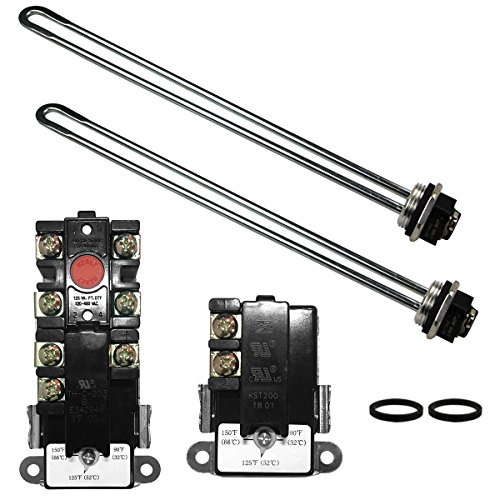
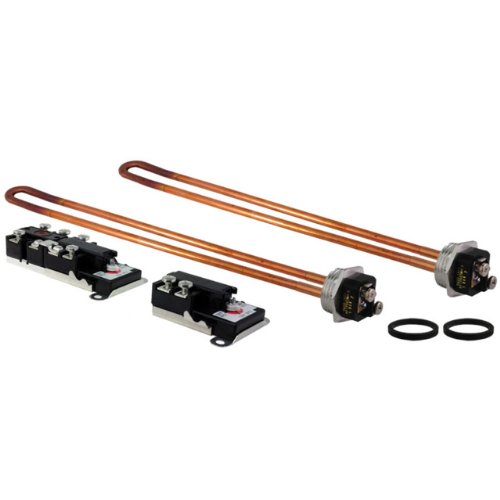
【ONE YEAR WARRANTY】Z Turn-up Kit Includes (2) 4500W 240V COPPER Water Heater Element, Insert Length: 13-9/16". 3500W@208V. Fit Most Brands of Water Heater >= 30 Gallons.
Sediment Buildup
Sediment buildup can block heat from reaching the water. This occurs when minerals from hard water settle at the bottom of the tank. Over time, this layer can insulate the water from the heating element, reducing efficiency. Flushing your water heater annually helps prevent this issue. If you notice strange noises or reduced hot water availability, it’s a sign to check for sediment buildup.
Thermostat Issues
Thermostat issues can lead to incorrect water temperatures. If the thermostat isn’t set correctly or malfunctions, your heater won’t heat water to the desired level. Check the temperature setting; it should typically be around 120°F (49°C). If it’s set right but still doesn’t heat properly, the thermostat might require replacement.
Heating Element Failure
Heating element failure can prevent your water heater from reaching the desired temperature. This often occurs in electric water heaters, where one or both elements may burn out over time. To diagnose this, you may need to test the elements with a multimeter. If one element is defective, it can lead to significantly lower temperatures. Replacing a faulty heating element can restore your hot water supply.
Troubleshooting Steps
If your water heater isn’t providing enough heat, follow these troubleshooting steps to pinpoint the issue.
Recommended Products

𝐑𝐢𝐬𝐤-𝐅𝐫𝐞𝐞 𝐆𝐮𝐚𝐫𝐚𝐧𝐭𝐞𝐞--𝐁𝐚𝐜𝐤𝐞𝐝 𝐛𝐲 𝟐-𝐲𝐞𝐚𝐫𝐬 𝐰𝐚𝐫𝐫𝐚𝐧𝐭𝐲 𝐟𝐨𝐫 𝐚𝐝𝐝𝐞𝐝 𝐩𝐞𝐚𝐜𝐞 𝐨𝐟 𝐦𝐢𝐧𝐝(𝐬𝐮𝐩𝐩𝐨𝐫𝐭 𝐫𝐞𝐭𝐮𝐫𝐧/𝐞𝐱𝐜𝐡𝐚𝐧𝐠𝐞)If you have any problems during guarantee period, please feel free to contact us via YOUR ORDER/ EMAIL / QA, We will reply to you within 24 hours. For whatever reason you are not satisfied, you can request 𝗮 𝗿𝗲𝗽𝗹𝗮𝗰𝗲𝗺𝗲𝗻𝘁 𝗼𝗿 𝗮 𝗿𝗲𝗳𝘂𝗻𝗱

✅[Replacement] Replaces OEM Part: 100108283, 100108284, 9000092045, 9000092015 water heating element. Screw-In 4500W 240V.

For best results, use only Rheem replacement parts for repairing your Rheem Water Heater
Check The Thermostat Setting
First, verify the thermostat setting. The temperature should be set between 120°F and 140°F for optimal performance. If it’s set lower than this, increase the setting and wait a few hours to check if there’s any improvement in hot water availability.
Inspect The Heating Elements
Next, inspect the heating elements. For electric water heaters, a malfunctioning heating element may cause inadequate heating. Use a multimeter to test the elements for continuity. If you find a broken element, it’s essential to replace it to restore proper functioning.
Examine The Circuit Breaker
Lastly, examine the circuit breaker. A tripped breaker can prevent your water heater from operating efficiently. Ensure the breaker for the water heater hasn’t tripped. If it has, reset it and monitor the water temperature. If tripping occurs again, you may need to consult an electrician to address any underlying electrical issues.
When To Call A Professional
You might face situations where your water heater’s issues require expert help. Recognizing these moments can save you time and prevent further damage.
Signs You Need Help
- Inconsistent Water Temperature: If water temperature fluctuates or remains consistently cold, this signals a deeper issue.
- Unusual Noises: Hissing, popping, or rumbling sounds often indicate sediment buildup or a failing heating element.
- Water Leaks: Puddles around your water heater may point to significant leaks. Addressing this swiftly is crucial to avoid water damage.
- Foul Odors: Smelling rotten eggs can suggest bacterial growth in your water tank, which requires professional treatment.
- Age of the Heater: If your water heater is over 10 years old and frequently malfunctions, it’s time to consult a technician for evaluation.
- Check Credentials: Look for licensed and insured professionals. Verify their expertise by reading certifications and training records.
- Read Reviews: Investigate customer feedback on platforms like Yelp or Angie’s List. Positive reviews often reflect reliable service.
- Ask for Recommendations: Reach out to friends, family, or neighbors for referrals. Personal experiences can lead you to trustworthy technicians.
- Get Multiple Quotes: Don’t settle for the first technician. Comparing at least three quotes ensures you find a fair price and better service.
- Inquire About Warranties: Confirm whether the technician offers warranties on their work. This coverage adds peace of mind and protects against future issues.
Preventive Maintenance Tips
Routine maintenance can enhance your water heater’s efficiency and longevity, ensuring you enjoy hot water when you need it. Focus on these key practices to keep your unit in top shape.
Recommended Products

UL Verified V699054 for heat & pressure: Verified for safety and reliability under high temperature and pressure conditions

WATER HEATER SEDIMENT REMOVAL TOOL – The EZVac Sediment Gone hot water heater flush kit is designed to stir, loosen, and flush out stubborn sediment buildup from the bottom of your water heater tank by actively breaking up compacted sediment while draining.

This model HMP011 has a 3 inch long shank. For 2 inch shank, please buy model HMP010.
Regular Flushes
Flushing your water heater at least once a year helps eliminate sediment buildup. This buildup can block heat transfer, leading to insufficient heating. To flush your water heater, follow these steps:
- Turn Off Power: Shut off the power supply to the heater, whether it’s gas or electric.
- Connect a Hose: Attach a garden hose to the drain valve at the bottom of the tank.
- Drain Water: Open the drain valve and let the sediment-laden water flow out. Keep it running until clear water emerges.
- Refill Tank: Close the drain valve, remove the hose, and refill the tank by turning on the water supply.
- Restore Power: Turn the power supply back on once the tank is filled.
Regular flushing prevents sediment from accumulating and maintains efficient heating.
Insulation Checks
Insulating your water heater and hot water pipes minimizes heat loss, ensuring that you receive hot water quickly. Follow these tips to check insulation:
- Inspect Heater: Check if your water heater tank has insulation. If not, consider adding an insulated blanket, particularly if it’s an older model.
- Examine Pipes: Examine hot water pipes for insulation. Insulate exposed pipes, especially those in unheated areas like basements or attics.
- Seal Gaps: Seal any gaps around pipes and fittings. Use pipe insulation sleeves or foam to prevent heat transfer.
Regular checks and improvements to insulation can significantly boost your water heater’s efficiency and help maintain optimal water temperatures.
Conclusion
Dealing with a water heater that won’t heat properly can be a real hassle. By taking the time to troubleshoot the common issues like thermostat settings and sediment buildup, you can often find a solution without too much trouble. Remember to keep an eye on your heater’s condition and perform regular maintenance to keep everything running smoothly.
If you notice persistent problems or signs of failure, don’t hesitate to call in a professional. They can help ensure your hot water needs are met efficiently. With a little attention and care, you can enjoy the comfort of hot water whenever you need it.
Frequently Asked Questions
What are the common causes of insufficient hot water from my water heater?
Insufficient hot water can stem from several issues, including sediment buildup, thermostat problems, and heating element failures. Sediment can block heat from reaching the water. Incorrect thermostat settings can prevent the water from reaching the desired temperature, and faulty heating elements, especially in electric units, can fail to heat the water properly.
How can I troubleshoot my water heater for better performance?
Start by checking the thermostat setting; ensure it’s between 120°F and 140°F. Next, inspect the heating elements for any signs of failure, which may require replacement. Lastly, check the circuit breaker to see if it’s tripped, as this can affect the water heater’s efficiency.
When should I call a professional for my water heater issues?
You should contact a professional if you notice inconsistent water temperature, hear unusual noises, see water leaks, encounter foul odors, or if your heater is aging. These signs may indicate more significant problems that require expert attention.
How can I maintain my water heater for better efficiency?
Regular maintenance is key. You should flush your water heater at least once a year to remove sediment buildup. Additionally, check the insulation around the heater and hot water pipes to prevent heat loss and ensure efficient operation.
What should I consider when selecting a technician for water heater repair?
When choosing a technician, verify their credentials, read online reviews, and seek recommendations from others. It’s also wise to obtain multiple quotes and ask about warranties for any work performed. This ensures you choose a qualified professional for your repair needs.

Hey, I’m Jake. I focus on cooling systems at Appliance Mastery, like fridges, freezers, and air conditioners.
I’ve worked in appliance repair for more than ten years and I’m certified through NASTeC. I’ve seen just about every fridge issue you can imagine.
My goal is to help you fix problems without stress. Whether it’s a freezer that won’t cool or an AC that keeps beeping, I’m here to walk you through it.