
Have you ever found yourself in the middle of a camping trip, ready to cook a delicious meal, only to discover your RV gas stove won’t light? You’re not alone. This frustrating situation can put a damper on your outdoor adventures, especially when you’re craving a warm meal after a long day of exploring.
In this article, you’ll learn about common reasons your RV gas stove might not be working and simple troubleshooting steps you can take to get it back in action. Whether it’s a gas supply issue or a faulty ignition, we’ll help you pinpoint the problem and find a solution. With the right tips, you’ll be back to cooking up your favorite dishes in no time.
Key Takeaways
- Identify Common Issues: Know that common reasons for RV gas stove malfunction include a lack of propane supply, clogged burner ports, and faulty ignition systems.
- Follow Troubleshooting Steps: Start troubleshooting with propane level checks, inspecting burner grates for debris, and testing the igniter spark for proper function.
- Regular Maintenance is Key: Perform regular cleaning and inspections of your stove, including checking burner ports, hoses, and connections to prevent future issues.
- Ensure Safe Usage: Always use the stove in well-ventilated areas, check for gas leaks, and keep a fire extinguisher nearby while cooking.
- Seek Professional Help When Necessary: If troubleshooting doesn’t resolve the issue, look for signs that indicate serious problems and consider consulting a qualified technician for repairs.
- Get Recommendations and Verify Technicians: Ask fellow RV owners for recommendations, read online reviews, ensure proper certifications, and evaluate technician experience before hiring.
Common Reasons Why RV Gas Stove Is Not Working
An RV gas stove can stop working for several reasons. Identifying the issue quickly helps you get back to enjoying your outdoor cooking experience.
Recommended Products

Quality Piezo and Plastic Parts for Extended Service Time.

Piezo igniter kit for stoves is used to completely replace worn or faulty igniters, Knob and wires

Piezo igniter kit 521139 for stoves is used to completely replace worn or faulty igniters and push button(Piezo Igniter 56096 with Push Button).
Lack of Propane Supply
A primary reason your RV gas stove isn’t working may be insufficient propane. Check the propane tank gauge. It should indicate whether gas is available. If the tank is empty, fill it at a nearby station. Inspect the hose for leaks or blockages. Tighten connections using a wrench to ensure a secure fit.
Clogged Burner Ports
Burner ports can get clogged with debris or food particles. Inspect the burners for any visible blockages or buildup. Remove the burners and clean them with a soft brush or a toothpick. Rinse thoroughly to ensure all obstructions are cleared. Reassemble the burners and test the stove to see if it lights properly.
Faulty Ignition System
A malfunctioning ignition system can prevent the stove from igniting. If you hear clicking sounds but get no flame, check the igniter. Clean the igniter electrode to remove any dirt or residue. If it’s still unresponsive, replace the igniter. Follow your RV’s manual for specific replacement instructions.
Troubleshooting Steps for RV Gas Stove Issues
If your RV gas stove isn’t working, follow these troubleshooting steps to identify and resolve the issue quickly.
Recommended Products

Main Function --- The rotary igniter is an important accessory for a gas stove, and its main function is to generate a spark to ignite the gas on your stove. Rotary piezo spark generator for four outlets uses round connector wires

Complete Package Included: One 4-outlet rotary spark ignitor with round connector leads spark and black knobs for convenient installation
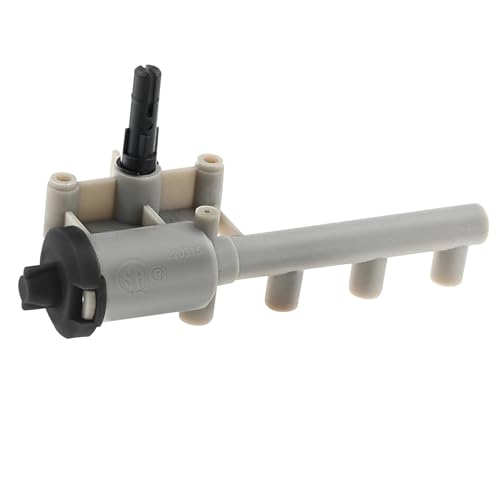
Piezo Ignitor Kit for All Furrion 2-in-1 RV Range Ovens: F1S17L03A-BL, FSRE17SABL, F1S17L02A-BL, F1S17L02A-SS, F1S21L02A-BL, FSRE21SABL, F1S21L02A-SS, F1S21L03A-BL, etc. Replace for FSRE17, FSRE21 and C-FSRE21SA-020.
Checking the Propane Levels
Checking the propane levels is the first step. Inspect the propane tank gauge. If the gauge shows low levels, refill or replace the tank. Ensure all connections are tight, and look for leaks in hoses using soapy water. Bubbles indicate a leak. Also, check the valve; it should be fully open for proper gas flow.
Inspecting the Burner and Grates
Inspecting the burner and grates is crucial for proper function. Remove the grates and look for any debris or food particles in the burner ports. Use a soft brush or a toothpick for cleaning. Ensure that the burner assemblies are properly aligned; misalignment can block gas flow. Reassemble the components securely before testing the stove again.
Testing the Ignition Spark
Testing the ignition spark helps determine if the stove can light. Turn on the burner and listen carefully. You should hear a clicking sound or see a spark. If there’s no spark, check the igniter electrode for cleanliness and proper positioning. Clean any dirt or buildup from the igniter. If necessary, consider replacing the igniter if it appears damaged or faulty.
Following these steps can fix common RV gas stove problems, letting you get back to cooking.
Maintenance Tips for RV Gas Stove
Keeping your RV gas stove in good shape ensures enjoyable meals during your trips. Regular maintenance prevents issues and enhances safety while using propane appliances.
Recommended Products


DIY kit suitable for all Propane & Natural Gas Gears gas appliance, grill, fireplace, stove,but you may need do some modification during installation, It not fits all the current hole for install or the length of wire,The cable length 11.8inch for the current one. (if power is not enough you can use two)

Complete Replacement Kit: RV 3-Burner Stoves Piezo Knob and Wire for complete replacement of worn or failed ignitor and wires (Please check existing parts to make sure will fit)
Regular Cleaning and Inspections
- Clean Surfaces: Wipe down the stove after each use. Use a mild detergent and a soft cloth to remove food residues and grease.
- Check Burner Ports: Inspect the burner ports for clogs. Use a soft brush or toothpick to clear any debris that might block gas flow.
- Examine Igniter: Regularly check the igniter for dirt or wear. Clean it gently with a cloth. Replace it if it’s faulty.
- Inspect Hoses and Connections: Look for cracks or wear in propane hoses. Tighten connections to prevent gas leaks.
- Monitor Performance: If you notice uneven flames or inconsistent ignition, address these issues promptly. It could indicate a clogged burner or gas supply problem.
- Ventilation: Always use your RV gas stove in a well-ventilated area. Open windows to allow air circulation and reduce gas buildup.
- Check for Leaks: Before using the stove, check all connections for leaks. Apply soapy water to the connections; bubbles indicate a leak.
- Use the Right Equipment: Only use appliances rated for use with propane. Follow all manufacturer guidelines to ensure safety.
- Keep Fire Extinguishers Handy: Always have a fire extinguisher within reach. Ensure it’s rated for use against propane and gas fires.
- Turn Off When Not in Use: After cooking, turn off the gas supply to prevent any accidental leaks. Always store propane tanks upright and away from heat sources.
When to Seek Professional Help
If your RV gas stove continues to malfunction after troubleshooting, it’s time to consider professional assistance. Ignoring issues can lead to safety hazards or further damage to the stove.
Signs of a Serious Issue
Look for these signs that indicate a serious problem with your RV gas stove:
- Strange Smells: If you detect gas odors, leak detection is essential. Immediate action is crucial to prevent dangerous situations.
- Persistent Ignition Failure: If the stove fails to light despite multiple attempts, this might indicate deeper issues with the ignition system.
- Unusual Sounds: Listen for abnormal noises like hissing or popping when trying to ignite. These sounds can signal gas leaks or ignition problems.
- Burner Flames: Flames that are yellow or orange rather than blue suggest incomplete combustion. This can indicate issues that require expert evaluation.
- Weird Behavior: If the stove turns off suddenly or the flames fluctuate greatly, a technician should investigate the cause.
- Ask for Recommendations: Speak to fellow RV owners or camping enthusiasts for trusted referrals to local technicians.
- Check Online Reviews: Use platforms like Yelp or Google to read reviews and ratings of local repair services. High ratings often reflect reliable service.
- Verify Certifications: Ensure the technician holds proper certifications for working with gas appliances. Accreditation indicates knowledge of safety protocols.
- Request Estimates: Reach out to several technicians for quotes. Compare costs and services offered to find the best fit for your needs.
- Inquire About Experience: Ask technicians about their experience with RV appliances specifically. Familiarity with RV systems is crucial for effective repairs.
Conclusion
Getting your RV gas stove back in working order doesn’t have to be a hassle. By following the troubleshooting steps and maintenance tips we’ve discussed, you can enjoy warm meals on your camping trips without a hitch.
Remember to keep an eye on your propane levels and regularly clean your stove to prevent future issues. If you find yourself facing persistent problems or safety concerns, don’t hesitate to reach out to a professional.
With a little care and attention, your RV gas stove will be ready to serve up delicious meals on all your adventures. Happy cooking and safe travels!
Frequently Asked Questions
Why won’t my RV gas stove light?
If your RV gas stove won’t light, it may be due to an empty propane tank, clogged burner ports, or a faulty ignition system. Check the propane level with the tank gauge, clean the burner ports with a brush, and inspect the igniter for dirt or damage.
How can I check the propane supply for my RV stove?
Inspect the propane tank gauge to ensure there is fuel available. You should also check for any leaks or blockages in the hose by applying soapy water at the connections; bubbles will indicate a leak.
What should I do if the burners are clogged?
To unclog the burners, carefully clean the burner ports with a soft brush or a toothpick to remove debris. This will help restore proper gas flow and improve ignition.
How can I test the ignition system of my RV gas stove?
Listen for a clicking sound when you attempt to ignite the stove. Look for a visible spark at the igniter. If there is no spark or sound, the igniter may need cleaning or replacement.
What are some maintenance tips for my RV gas stove?
Regularly clean your stove after each use, inspect burner ports for clogs, check the igniter for dirt, and examine hoses for cracks. Additionally, monitor stove performance and ensure proper ventilation during cooking.
When should I seek professional help for my RV gas stove?
If you notice strange gas odors, persistent ignition issues, unusual burner flames, or erratic behavior, it’s time to consult a professional. Look for recommendations from fellow RV owners and check technician certifications before hiring.
How can I ensure safety while using my RV gas stove?
Always check for leaks before use, keep a fire extinguisher handy, and turn off the gas supply when not in use. Regular maintenance and proper ventilation are also crucial for safe cooking experiences.

Hey, I’m Jake. I focus on cooling systems at Appliance Mastery, like fridges, freezers, and air conditioners.
I’ve worked in appliance repair for more than ten years and I’m certified through NASTeC. I’ve seen just about every fridge issue you can imagine.
My goal is to help you fix problems without stress. Whether it’s a freezer that won’t cool or an AC that keeps beeping, I’m here to walk you through it.