
Is your dehumidifier hose drain acting up again? You’re not alone. Many people face this frustrating issue, and it can turn a simple appliance into a source of stress. When the hose drain isn’t working, it can lead to water buildup and even damage your home.
In this article, you’ll find practical tips to troubleshoot and fix the problem. Whether it’s a clog, improper installation, or a faulty part, you’ll learn how to get your dehumidifier back on track. By the end, you’ll have the knowledge to tackle this issue confidently and keep your space dry and comfortable.
Key Takeaways
- Common Causes: The main reasons for a non-functioning dehumidifier hose drain include clogs, improper installation, and faulty pumps. Identifying these issues is crucial for effective troubleshooting.
- Troubleshooting Steps: Key troubleshooting methods involve inspecting the hose for clogs, checking for kinks or bends, validating the power supply, and examining pump functionality.
- Preventive Maintenance: Regular maintenance practices like cleaning the hose, changing filters, and ensuring proper installation techniques can help prevent drainage issues.
- Signs for Professional Help: Look out for signs indicating serious issues, such as excessive water accumulation, persistent odors, visible damage, and frequent breakdowns that warrant professional intervention.
- Cost Considerations: Be aware of potential costs associated with professional repairs, including service call fees, labor costs, and replacement parts, to budget appropriately.
- Overall Importance: Addressing hose drain issues promptly is vital for maintaining a dry and comfortable environment while protecting your home from possible water damage.
Common Causes of Dehumidifier Hose Drain Not Working
Several issues can cause a dehumidifier hose drain to stop working correctly. Understanding these common causes will help you troubleshoot the problem effectively.
Recommended Products

Multi-Purpose Hose, 6ft Cut-to-Fit:This 6-foot hose is designed for various applications, including dehumidifier drainage and gardening tasks. It can be easily cut to the desired length for flexible use. Please confirm the required length before purchase.

[Convenient] This drain hose automatically drains water from the dehumidifier to the drain for uninterrupted use.

PREMIUM QUALITY - Nickel-plated brass fittings, fits standard 3/4" hose thread outlets. Fully compatible with most brands of dehumidifiers, and can also be connected to a variety of valves and hose taps.
Clogged Hose
Clogs are a primary reason for hose drainage issues. Dirt, dust, or mold can accumulate inside the hose, preventing water from flowing out.
Tip: Inspect the hose regularly. Remove any visible debris and flush it with water to clear out blockages.
Improper Installation
Inadequate installation can lead to drainage problems. If the hose is not set up at a proper angle or is too long, gravity won’t help the water flow as needed.
Tip: Verify the hose’s angle. The slope should encourage water movement toward the drainage point. Shorten the hose if it’s excessively long.
Faulty Pump
A malfunctioning pump can hinder water flow if your dehumidifier uses one to push water through the hose. If the pump’s motor fails or if the float switch gets stuck, drainage will stop.
Tip: Test the pump by observing its operation. If it’s malfunctioning, consult the manufacturer for potential repairs or replacements.
Troubleshooting Methods
When your dehumidifier hose drain isn’t working, several troubleshooting methods can assist you in identifying and fixing the issue quickly.
Recommended Products
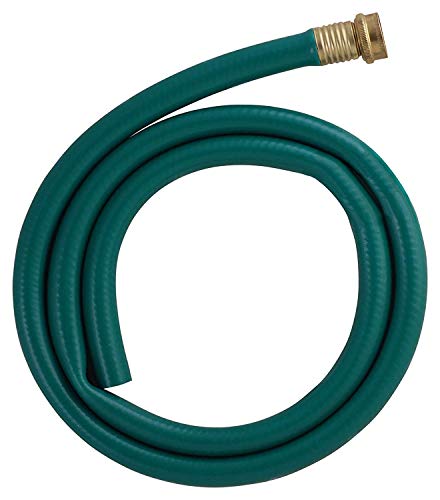
FUNCTIONALITY: This 5ft Drain Hose will provide you convenience as this can help you with any small maintenance job around your house, garden, garage or to reach hanging house plants. It can also use as dehumidifier drain hose.

MULTIFUNCTIONAL UNIVERSAL DRAIN HOSE: This drain hose has multiple uses, in addition to being suitable for dehumidifier drainage, it is also suitable for air conditioner drainage as well as being suitable for a variety of gardening tasks. Additionally our dehumidifier drain hose can be cut to your desired length to customize it for different situations.

Better Compatibility and Leak-Free Design: this universal dehumidifier hose features an elastic rubber adapter with a secure connecting clamp, ensuring a tight seal with no leaks, compatible with most dehumidifiers brands (Note: please confirm your dehumidifier drain outlet size before purchasing)
Inspect the Hose
First, inspect the hose for any clogs or obstructions. Remove the hose and check for buildup from dirt, dust, or mold. Run water through the hose to see if it flows freely. If you notice any blockage, clean the hose with a mixture of vinegar and water. Regular inspections can prevent future problems.
Check for Kinks and Bends
Next, check the hose for kinks or bends that could restrict water flow. Ensure the hose runs straight without sharp turns. If you find any bends, reposition the hose to allow for a more direct path. Keeping the hose straight helps maintain optimal drainage.
Validate Power Supply
Then, validate the power supply to your dehumidifier. Ensure the unit is plugged in securely and the outlet is functioning. Use a multimeter to check if the outlet supplies power. If the unit isn’t receiving power, it won’t operate, preventing effective drainage.
Examine the Pump Functionality
Finally, examine the pump functionality. If your dehumidifier uses a pump to expel water, check if it’s operating correctly. Listen for unusual sounds that indicate a malfunction. If the pump doesn’t activate when it should, consult the user manual for troubleshooting steps or consider seeking professional repair assistance. Testing the pump regularly helps ensure proper drainage performance.
Preventive Measures
Taking steps to prevent drainage issues can help maintain the efficiency of your dehumidifier and protect your home from excess moisture. Below are effective measures to consider.
Routine Maintenance
- Clean The Hose Regularly: Flush the hose with a vinegar and water solution monthly to remove dirt and mold buildup.
- Change Filters: Replace or clean your dehumidifier’s air filter every 1-3 months. A clean filter ensures smooth airflow and optimal performance.
- Empty The Reservoir: If your model has a reservoir, empty it frequently to prevent overflow, especially during high humidity months.
Proper Installation Techniques
- Ensure A Level Surface: Install your dehumidifier on a flat surface to promote proper drainage. An uneven surface can lead to backflow or ineffective draining.
- Check Hose Direction: Make sure the hose slopes downward away from the unit. This gradient allows gravity to assist in drainage.
- Use Quality Hoses: Invest in durable, high-quality hoses designed specifically for dehumidifiers to minimize leaks and kinks.
- Inspect Hoses: Check your hoses every few months for clogs or cracks. Replace any damaged hoses to maintain efficient drainage.
- Test The Pump: If your dehumidifier has a pump, listen for unusual sounds while it operates. If it’s noisy or not functioning, it may require maintenance or replacement.
- Assess Humidity Levels: Monitor the humidity levels in your space. If they remain high despite dehumidification, reassess your unit’s capacity and efficiency.
Implementing these preventive measures will help you avoid hose drain issues and ensure your dehumidifier operates effectively, keeping your environment dry and comfortable.
When to Seek Professional Help
Knowing when to call an expert can save time and prevent costly damage. If the dehumidifier hose drain issues persist despite your troubleshooting efforts, seeking professional help may be necessary.
Signs of Serious Issues
Look for these signs that indicate serious problems:
- Excessive Water Accumulation: If you notice an unusual amount of water pooling around your dehumidifier, this suggests a significant issue.
- Persistent Odors: Musty or moldy smells often point to mold growth in the drainage system.
- Visible Damage: Examine for cracks or corrosion in the hose or unit. Damage can lead to leaks or malfunctions.
- Frequent Breakdowns: If your dehumidifier frequently shuts down, it might indicate a more severe electrical or mechanical problem.
- Water Stains: Stains on walls or ceilings near the dehumidifier signal potential water damage, requiring immediate attention.
Cost Considerations
Costs for professional repairs vary based on the issue. Here are some factors to consider:
- Service Call Fees: Many technicians charge an initial fee for the visit, which typically ranges from $50 to $150.
- Labor Costs: Rates usually range from $70 to $100 per hour. The total hours will depend on the problem’s complexity.
- Replacement Parts: If parts need replacement, costs can vary significantly. For example, new pumps may run between $150 and $300.
- Insurance Coverage: Check your homeowner’s insurance policy to see if water damage and repair costs are covered, which may influence your decision to seek help.
Acting quickly when facing significant issues with your dehumidifier can save you money and protect your home from extensive damage.
Conclusion
Dealing with a dehumidifier hose drain that isn’t working can be frustrating but you’re not alone in facing this issue. By following the troubleshooting tips and preventive measures outlined, you can tackle most problems with ease. Regular maintenance and quick inspections can save you from bigger headaches down the road.
If you find yourself struggling despite your best efforts remember that it’s okay to reach out for professional help. Keeping your space dry and comfortable is the ultimate goal and with a little patience and care you’ll get there. Stay proactive and your dehumidifier will serve you well for years to come.
Frequently Asked Questions
What are common problems with dehumidifier hose drains?
Many people face issues like clogged hoses, improper installation, and faulty pumps, which can lead to water buildup. These problems not only reduce efficiency but could also cause potential damage to your home.
How can I identify a clogged dehumidifier hose?
Inspect the hose visually for visible dirt, mold, or kinks. If water isn’t draining properly, try flushing it with a vinegar and water mixture to clear any blockages.
What should I check for during installation?
Ensure the hose is installed at a downward angle for proper drainage, is free of bends or kinks, and is connected securely to a level dehumidifier for effective operation.
When should I consider cleaning the dehumidifier hose?
Regularly clean the hose to prevent clogs. Ideally, perform this maintenance every few months or if you notice reduced water flow.
How do I know if my dehumidifier pump is faulty?
Listen for unusual sounds, check water flow speed, and refer to your user manual for troubleshooting. If you suspect a fault, consult a professional to inspect the pump.
What preventative measures should I take for my dehumidifier?
Perform routine maintenance, such as cleaning the hose, changing filters every 1-3 months, and checking the pump. Proper installation and regular inspections will also help maintain efficiency.
When should I call a professional for help?
Seek professional assistance if you notice excessive water buildup, persistent odors, frequent breakdowns, visible damage, or water stains, as these may indicate serious issues.
What are the typical costs for professional dehumidifier repairs?
Costs vary but may include service call fees, labor expenses, and replacement parts. Check for potential coverage through your homeowner’s insurance for unexpected repairs.

Hey, I’m Jake. I focus on cooling systems at Appliance Mastery, like fridges, freezers, and air conditioners.
I’ve worked in appliance repair for more than ten years and I’m certified through NASTeC. I’ve seen just about every fridge issue you can imagine.
My goal is to help you fix problems without stress. Whether it’s a freezer that won’t cool or an AC that keeps beeping, I’m here to walk you through it.