
Ever noticed water pooling around the base of your hot water heater? You’re not alone. This frustrating issue can catch anyone off guard, leaving you wondering if it’s a simple fix or a sign of something more serious.
Key Takeaways
- Common Causes of Leaks: Recognize that leaks can stem from loose connections, corroded tanks, faulty pressure relief valves, condensation, cracks, or drain valve issues.
- Signs of a Leak: Look for puddles of water, wet spots, unusual noises, and increased water bills as key indicators of water heater leaks.
- Diagnosis Techniques: Conduct visual inspections of connections, the tank, pressure relief valve, and drain valve to pinpoint the source of the leak.
- Preventative Maintenance: Regular inspections, flushing the tank, checking the anode rod, and monitoring temperature settings can help prevent leaks and extend the life of your water heater.
- DIY and Professional Repairs: Simple fixes like tightening connections or replacing valves can often be done yourself, while severe leaks or extensive corrosion may require professional assistance.
- Emergency Action: If leaks lead to significant water damage, don’t hesitate to contact a plumber for emergency services to prevent further issues.
Understanding Hot Water Heater Leaks
Hot water heater leaks can cause significant damage to your home if not addressed quickly. Understanding the common causes and signs of leaks helps you take timely action.
Common Causes of Leaks
- Loose Connections: Check for loose fittings on pipes and valves. Tightening these connections often resolves leaks.
- Corroded Tank: Inspect the tank for rust or corrosion. Older tanks may deteriorate, leading to leaks. Consider replacement if corrosion is severe.
- Faulty Pressure Relief Valve: Test the pressure relief valve. If the valve is defective, it can leak water. Replacement may be necessary.
- Condensation: Evaluate if moisture around the tank is condensation. High humidity levels can cause condensation to form on cooler surfaces.
- Cracks in the Tank: Look for cracks in the tank itself. Cracks indicate a need for immediate repair or replacement.
- Drain Valve Issues: Inspect the drain valve. Sometimes, the valve can become loose or fail, allowing water to leak.
- Puddles of Water: Notice any standing water under your heater. Puddles typically indicate an active leak.
- Wet Spots on Floor: Check for wet or damp spots on the flooring. These may signal a slow leak.
- Increased Water Bills: Monitor your water bill for unexpected increases. A leak can lead to higher water usage costs.
- Unusual Noises: Listen for gurgling or dripping sounds. Noise can indicate leaking water or other issues.
- Discolored Flooring: Observe any discoloration on the floor surrounding your heater. Stains may result from prolonged leaks.
Promptly addressing these issues prevents further damage and helps maintain your hot water heater’s efficiency.
Diagnosing the Problem
Identifying the source of a leak from your hot water heater involves careful observation and assessment of several key components. Understanding the issues can help you determine whether a simple fix is possible or if professional assistance is required.
Visual Inspection Techniques
- Check the Connections: Inspect all visible connections for any signs of moisture or water pooling. Tighten any loose fittings using a wrench.
- Examine the Tank: Look for rust or corrosion on the tank’s exterior. These signs often indicate the need for replacement.
- Inspect the Pressure Relief Valve: This valve should be snug. If it appears to be leaking, replace it immediately.
- Look for Cracks: Examine the tank for cracks, particularly near the base. Small cracks can lead to significant leaks.
- Assess the Drain Valve: Ensure the drain valve is closed tightly. If you notice water dripping from this area, it may need to be replaced.
- Monitor for Condensation: In humid conditions, condensation can form on the tank’s surface. Use a towel to dry the area and check if water reappears.
- Widespread Leaks: If water spreads significantly or you cannot pinpoint the source, contact a plumber.
- Rusty Water: If the water appears rusty, the tank may be corroded and requires replacement.
- Frequent Repairs: If you find yourself making repairs regularly, it might be more cost-effective to replace the unit.
- Unusual Noises: If you notice banging or rumbling sounds, this could indicate sediment buildup, necessitating an expert’s opinion.
- Lack of Hot Water: If the heater no longer provides hot water, a professional assessment is essential to avoid further issues.
Addressing leaks promptly through visual inspections and seeking help when necessary can significantly reduce damage and repair costs.
Preventative Measures
Taking proactive steps can prevent future leaks from your hot water heater. Implementing routine maintenance and ensuring proper installation practices can increase the longevity of your unit.
Regular Maintenance Tips
- Inspect Regularly: Perform a visual inspection every six months. Check for signs of corrosion, rust, or moisture around connections and fittings.
- Flush the Tank: Flush the tank annually to remove sediment buildup. This can help maintain efficiency and extend the tank’s lifespan.
- Check the Anode Rod: Inspect the anode rod every few years. Replace it if it’s significantly corroded to prevent tank corrosion.
- Examine Pressure Relief Valve: Test the pressure relief valve at least once a year. Activate it to ensure it opens and closes properly.
- Monitor Temperature Settings: Keep the temperature at 120°F or lower. This not only conserves energy but also reduces excessive pressure on the tank.
- Use Proper Supports: Ensure the heater is adequately supported to prevent stress on the plumbing connections. It should sit level and secure.
- Employ Quality Materials: Use high-quality hoses and fittings during installation. This minimizes the chance of leaks down the line.
- Follow Manufacturer Guidelines: Adhere to the manufacturer’s recommendations for installation, including placement, venting, and connections.
- Include a Water Detector: Consider installing a water leak detector near the unit. These devices alert you early if a leak occurs.
- Hire a Professional: If unsure about installation, hire a licensed plumber. A professional ensures proper installation and follows local codes.
Repair Options
When dealing with a leaking hot water heater, consider various repair options. Some issues can be fixed through DIY methods, while others necessitate professional intervention.
DIY Fixes
- Tighten Connections: Examine and tighten any loose fittings or connections. Use a wrench for added torque, ensuring not to over-tighten, which might cause damage.
- Replace the Drain Valve: If the drain valve leaks, replace it with a new one. Shut off the water supply, drain the tank, and remove the old valve. Install the new valve, making sure it’s securely fitted.
- Seal Minor Cracks: For small cracks in the tank, use a waterproof epoxy sealant. Clean the area thoroughly, apply the sealant according to the instructions, and allow it to cure completely before refilling the tank.
- Flush the Tank: Sediment buildup can contribute to leaks. Attach a garden hose to the drain valve, open the valve, and let the water flush through until it runs clear. This helps reduce pressure and potential leaks.
- Inspect the Anode Rod: Check the anode rod for corrosion. If it’s heavily corroded, replace it to prolong the tank’s life and prevent further leaks.
- Contact a Plumber: If DIY fixes don’t resolve the problem or if the leak is severe, contact a licensed plumber. Professionals can diagnose hidden issues and provide comprehensive repairs.
- Assess Tank Condition: A plumber will evaluate the overall condition of the tank. If corrosion is extensive, they might recommend replacing the entire unit instead of attempting repairs.
- Pressure Relief Valve Replacement: Should the pressure relief valve malfunction, expect a professional to replace it. This valve protects against excessive pressure, and a faulty one can lead to significant leaks.
- Evaluate Installation Issues: When improper installation contributes to leaks, a plumber can identify and correct these issues, ensuring the unit functions efficiently.
- Emergency Services: Some plumbing companies offer 24/7 emergency repair services. If water damage escalates or water continues to leak, immediate assistance may help minimize damage and repair costs.
By understanding these repair options, you can address leaks effectively and maintain your hot water heater’s performance.
Conclusion
Dealing with a leaking hot water heater can be frustrating but staying proactive makes all the difference. By keeping an eye on your unit and performing regular maintenance you can prevent small issues from turning into costly repairs. Remember to address any signs of leaks quickly and don’t hesitate to reach out to a professional if you’re unsure about the problem. Taking these steps not only helps maintain your heater’s efficiency but also protects your home from potential water damage. With a little care and attention you can enjoy reliable hot water for years to come.
Frequently Asked Questions
What causes water pooling around my hot water heater?
Water pooling can be caused by several factors like loose connections, a corroded tank, a faulty pressure relief valve, condensation, or cracks in the tank. It’s crucial to identify the source and address it quickly to prevent damage.
How can I tell if there’s a leak in my hot water heater?
Signs of a leak include puddles of water on the floor, wet spots, increased water bills, unusual noises from the heater, and discolored flooring. Regular monitoring can help catch issues early.
When should I call a plumber for my hot water heater?
Contact a plumber if you notice significant water spreading, rusty water, persistent leaks, unusual noises, or if you’re not getting hot water. Timely intervention can prevent extensive damage.
What maintenance can I do to prevent leaks?
Regular maintenance includes visual inspections every six months, flushing the tank annually, checking the anode rod for corrosion, and testing the pressure relief valve. Following manufacturer guidelines is also vital.
Can I fix a leaking hot water heater myself?
You can perform minor DIY fixes like tightening connections, replacing the drain valve, or sealing small cracks. However, if the leak persists or is severe, it’s best to hire a professional plumber.
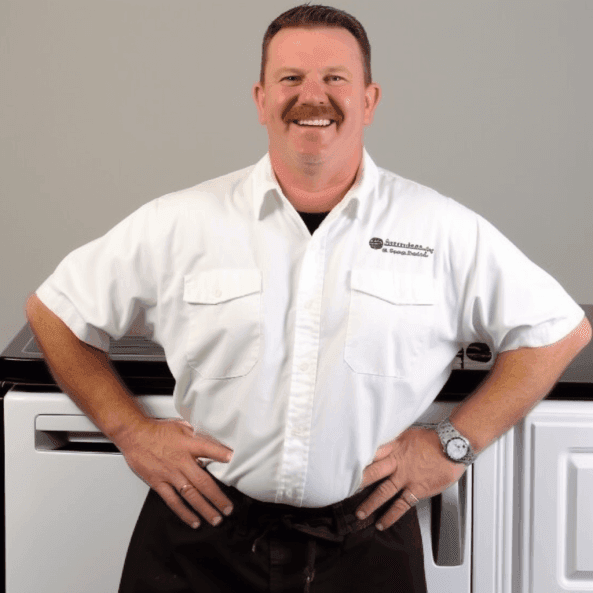
Hey, I’m Jake. I focus on cooling systems at Appliance Mastery, like fridges, freezers, and air conditioners.
I’ve worked in appliance repair for more than ten years and I’m certified through NASTeC. I’ve seen just about every fridge issue you can imagine.
My goal is to help you fix problems without stress. Whether it’s a freezer that won’t cool or an AC that keeps beeping, I’m here to walk you through it.