
Is your A.O. Smith water heater leaving you in the cold? You’re not alone. Many homeowners face the frustrating issue of their water heater not heating water properly, and it can turn simple tasks like showering or washing dishes into a hassle.
Key Takeaways
- Common Issues: A.O. Smith water heaters may fail to heat water due to insufficient power supply, thermostat malfunctions, or heating element problems.
- Troubleshooting Steps: Check the circuit breaker, inspect the power cord, verify thermostat settings, and test heating elements to diagnose heating issues.
- Seek Professional Help: If problems persist or safety concerns arise, consult a qualified technician for proper diagnosis and repair.
- Regular Maintenance: Conduct routine inspections and flush the tank every six months to improve efficiency and prolong the lifespan of your water heater.
- Immediate Attention: Address any leaks or unusual noises as they could indicate serious underlying issues requiring urgent professional assistance.
Common Issues with AO Smith Water Heaters
Several factors can cause A.O. Smith water heaters to stop heating water effectively. Identifying these issues can help you resolve the problem quickly.
Recommended Products

PACKAGE INCLUDES: 1 x Upper water heater Thermostat and 1 x Lower water heater Thermostat,Non-Simultaneous, Temperature adjustment range:90F (32 ℃)~150F (66 ℃).Thermo-O-Disc(TOD)Style, interchangeable with Apcom type thermostats, 120V - 480V

This part is compatible with models including; 153586401,153586501,153586320,153586311

ONE YEAR WARRANTY: Contains 2 × 13-9/16inch Water Heater Element with Gaskets, 3500W@208V
Insufficient Power Supply
Insufficient power supply can prevent your water heater from operating correctly. Check the following:
- Circuit Breaker: Ensure the circuit breaker hasn’t tripped. Reset it if needed.
- Power Cord: Inspect the power cord for damage or loose connections. Replace it if necessary.
- Voltage: Confirm the outlet provides the required voltage. Use a multimeter to check for the correct readings.
Thermostat Malfunctions
Thermostat malfunctions can lead to inconsistent or no heating. Pay attention to these indicators:
- Settings: Make sure the thermostat is set to the desired temperature, typically between 120°F and 140°F.
- Calibration: Check if the thermostat needs recalibration. Refer to your user manual for instructions.
- Faulty Unit: If issues persist, consider replacing the thermostat, as it may be defective.
Heating Element Problems
Heating element problems can directly affect water temperature. Troubleshoot these common issues:
- Burnt Element: Inspect the heating elements for visible damage or corrosion. If you notice any, replacement is necessary.
- Testing: Use a multimeter to test the resistance of each heating element. A lack of continuity indicates a faulty element.
- Sediment Build-Up: Check for sediment build-up in the tank. Flushing the tank regularly can help maintain efficiency.
Addressing these issues allows you to restore heating functionality to your A.O. Smith water heater effectively.
Troubleshooting Steps for AO Smith Water Heaters
If your AO Smith water heater isn’t heating water, follow these troubleshooting steps to identify and resolve the issue.
Recommended Products

LWD UNIVERSAL SCREW-IN WATER HEATER ELEMENT - This screw-in, low watt density-style heating element can be used in most replacement situations of the same wattage and voltage. It reduces lime deposit buildup when used in areas with hard water.
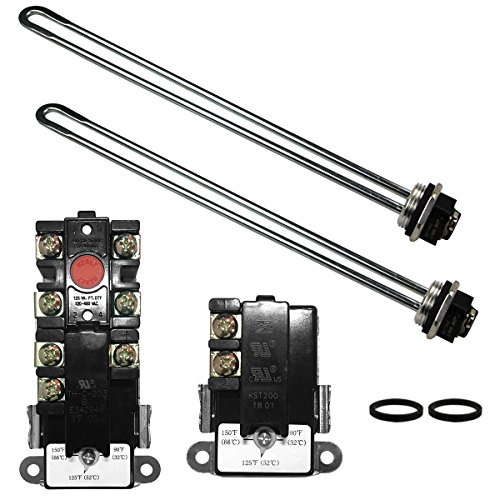
【ONE YEAR WARRANTY】Z Turn-up Kit Includes (2) 4500W 240V COPPER Water Heater Element, Insert Length: 13-9/16". 3500W@208V. Fit Most Brands of Water Heater >= 30 Gallons.

2xPack 【CONTENTS】 - Screw-in HWD Universal Water Heater Heating Element - Pack of 2, this thread watt density style heating element can be used in most replacement situations of the same power and voltage. Reduces lime scale build-up when used in areas with hard water.
Check Power Source
- Check the Circuit Breaker: Locate your home’s electrical panel and inspect the circuit breaker for the water heater. If it’s tripped, reset it by flipping it back to the “on” position.
- Inspect the Power Cord: Examine the power cord for any visible damage or wear. Replace it if you find any fraying or breaks.
- Confirm Outlet Voltage: Use a multimeter to test the outlet voltage. Ensure it meets the manufacturer’s specifications, usually around 240 volts for electric heaters.
Inspect Thermostat Settings
- Verify Temperature Setting: Ensure the thermostat is set to an appropriate temperature, typically between 120°F and 140°F. Adjust it if it’s set too low.
- Check for Calibration: Use an external thermometer to verify the water temperature. If the water is much colder than the thermostat setting, recalibrate or replace the thermostat as needed.
- Examine for Malfunctions: Listen for clicking sounds near the thermostat. If you hear continuous clicking, it may malfunction and require replacement.
- Inspect for Damage: Turn off the power to the water heater and remove the access panels. Check the heating elements for corrosion, burn marks, or cracks.
- Test with a Multimeter: Use a multimeter to check continuity in the heating elements. A reading of infinity indicates a faulty element that needs replacement.
- Look for Sediment Build-Up: Check for sediment accumulation at the bottom of the tank. Flush the tank periodically to remove sediment and improve efficiency.
By methodically working through these troubleshooting steps, you can pinpoint the cause of your AO Smith water heater’s heating issue and restore hot water to your home.
When to Seek Professional Help
If troubleshooting efforts don’t resolve the heating issue, seeking professional help becomes necessary. Consulting a qualified technician ensures proper diagnosis and repair.
Recommended Products

WATER HEATER SEDIMENT REMOVAL TOOL – The Sediment Gone hot water heater flush kit is designed to stir, loosen, and flush out stubborn sediment buildup from the bottom of your water heater tank by actively breaking up compacted sediment while draining.
No Plastic Contact with Your Water——With no plastic inside, water never touches plastic, ensuring a pure taste and safer drinking experience

🛡️ PURE MAGNESIUM FOR SUPERIOR CATHODIC PROTECTION: The best choice for RVing! Upgrade from standard aluminum or zinc rods, which can corrode quickly. Our pure magnesium anode rod offers superior protection, highly effective at drawing corrosive elements away to ensure maximum lifespan for your Suburban tank.
Persistent Issues
If your A.O. Smith water heater consistently fails to heat water, despite following the troubleshooting steps, it’s time to call a professional. Unresolved problems often signal deeper issues, such as malfunctioning thermostats or defective heating elements. Technicians can pinpoint these problems accurately. For example, if you notice the heater cycles through on and off frequently, a technician can assess the unit’s control system. If you detect unusual noises or persistent odors, these can indicate issues requiring immediate attention.
Safety Concerns
Safety concerns should always take priority when dealing with water heaters. If you experience leaks or water pooling around the unit, this poses a significant hazard. Water exposure can lead to electrical shocks or structural damage. Additionally, if the water heater emits strange noises, such as popping or hissing, this may indicate sediment buildup or pressure issues. Both scenarios may require immediate professional assistance. Don’t overlook warning signs, as they can prevent more extensive damage and higher repair costs down the line.
Maintenance Tips for AO Smith Water Heaters
Taking care of your A.O. Smith water heater helps maintain its efficiency and prolongs its lifespan. Here are some essential maintenance tips to keep your heater running smoothly.
Regular Inspections
Inspect your water heater regularly for any signs of wear or issues. Check for leaks around the connections and the tank. Look for rust or corrosion on the exterior. Ensure that the temperature and pressure relief valve operates correctly. Testing this valve helps prevent system failures and reduces risk. Doing these checks every few months allows you to catch potential problems early, saving time and money on repairs.
Flushing the Tank
Flushing the tank removes sediment build-up that can affect heating efficiency. To flush the tank, turn off the power supply and close the cold water intake valve. Attach a hose to the drain valve and direct it to a suitable drainage area. Open the drain valve and allow the water to flow out. Once the tank is empty, briefly open the cold water intake to stir up remaining sediment, then drain again. Repeat this process every six months for optimal performance. Regular flushing improves heat transfer and ensures better water quality.
Conclusion
Dealing with an A.O. Smith water heater that won’t heat water can be frustrating but you’ve got the tools to tackle the issue. By following the troubleshooting steps and maintenance tips outlined, you can often resolve the problem on your own.
If things still aren’t working right don’t hesitate to reach out to a professional. They can pinpoint the underlying issues and keep your water heater running efficiently. Remember that regular maintenance is key to avoiding future headaches.
Stay proactive and keep an eye on your water heater to enjoy hot water whenever you need it.
Frequently Asked Questions
Why is my A.O. Smith water heater not heating water properly?
If your A.O. Smith water heater isn’t heating water, common culprits include a faulty power supply, malfunctioning thermostat, or damaged heating elements. Begin troubleshooting by checking the circuit breaker, inspecting the power cord, and confirming outlet voltage.
How can I troubleshoot my A.O. Smith water heater?
Start by checking the circuit breaker for tripped switches. Inspect the power cord for any damage and ensure the thermostat is correctly set and calibrated. Listen for clicking sounds near the thermostat, which may indicate a problem with it or the heating elements.
What maintenance should I perform on my water heater?
Regular maintenance includes checking for leaks, rust, and ensuring the temperature and pressure relief valve operates correctly. It’s also essential to flush the tank every six months to eliminate sediment build-up and maintain heating efficiency.
When should I call a professional for my water heater?
If troubleshooting steps don’t resolve the issue or you notice leaks, unusual noises, or persistent heating problems, it’s time to call a professional. These signs could indicate deeper issues that require expert diagnosis and repair.
How often should I flush my water heater tank?
It’s recommended to flush your water heater tank every six months. This practice helps remove sediment build-up, which can impede heating efficiency and improve overall water quality. Regular flushing prolongs the lifespan of your water heater.

Hey, I’m Jake. I focus on cooling systems at Appliance Mastery, like fridges, freezers, and air conditioners.
I’ve worked in appliance repair for more than ten years and I’m certified through NASTeC. I’ve seen just about every fridge issue you can imagine.
My goal is to help you fix problems without stress. Whether it’s a freezer that won’t cool or an AC that keeps beeping, I’m here to walk you through it.