
Ever found yourself sweating bullets in the scorching heat, only to discover your AC unit is frozen solid? What a nightmare! You’re left wondering, can you pour hot water on that icy culprit to speed up the thawing process? Before you take the plunge, let’s explore this chilling dilemma together.
Picture this: it’s a sweltering summer day, and your AC unit is giving you the cold shoulder, quite literally. The frozen coils are like an icy fortress, blocking your path to cool comfort. But before you reach for that kettle of steaming water, it’s crucial to understand the dos and don’ts of dealing with a frozen AC unit.
Understanding a Frozen AC Unit
When your AC unit freezes up, it’s a sign that something isn’t quite right with your system. Understanding why this happens can help you prevent future issues. Here are some key points to keep in mind:
- Restricted Airflow: Reduced airflow due to clogged filters or closed vents can cause moisture to freeze on the coils.
- Low Refrigerant Levels: Inadequate refrigerant levels can lead to the coils getting too cold and freezing up.
- Faulty Components: Issues with components like the blower motor or thermostat can also contribute to freezing.
By familiarizing yourself with these common causes, you can take proactive steps to address them and keep your AC running smoothly. Remember, prevention is key to avoiding a frozen unit in the first place.
Risks of Pouring Hot Water on the AC Unit
When dealing with a frozen AC unit, you might be tempted to pour hot water to speed up the thawing process. However, this can lead to serious risks that you should be aware of to avoid causing further damage. Here’s why:
- Potential Damage:
- Rapid temperature changes from hot water can cause the metal components in the AC unit to crack or warp, leading to costly repairs.
- The sudden heat can also damage the coil system and compressor, affecting the overall functionality of the unit.
- Electrical Hazard:
- Pouring hot water on the AC unit can result in electric shock or short circuits, posing safety risks to you and anyone nearby.
- Mixing water and electricity is extremely dangerous and should be avoided at all costs.
- System Inefficiency:
- Using hot water may provide a temporary solution, but it does not address the underlying issues causing the freezing.
- The inefficient thawing process can lead to a cycle of repeated freezing episodes, impacting the performance and lifespan of your AC unit.
Remember, it’s important to follow safe and effective methods to address a frozen AC unit without resorting to potentially harmful techniques like pouring hot water.
Safer Alternatives to Thaw a Frozen AC Unit
When faced with a frozen AC unit, it’s understandable that you’d want a solution that is safe and effective. Instead of resorting to potentially harmful methods like pouring hot water, consider these safer alternatives to thaw your frozen unit:
- Turn Off the AC: Before attempting any thawing method, ensure the power to your AC unit is turned off to prevent any accidents. This simple step can avoid electrical hazards while you work on thawing the unit.
- Use a Fan: A gentle way to thaw your frozen AC unit is to place a fan near the system. The airflow from the fan can help speed up the thawing process without risking damage to the unit’s components.
- Inspect the Air Filter: A clogged air filter can lead to freezing issues in your AC unit. Check and replace the air filter if needed to improve airflow and prevent future freezing episodes.
- Schedule Maintenance: Regular maintenance by a professional HVAC technician can address underlying issues causing your unit to freeze. They can spot problems early, ensuring your AC operates efficiently and prevents future freezing.
Remember, a frozen AC unit is often a sign of underlying issues that need attention. By opting for safer alternatives to thaw your unit, you not only prevent potential damage but also promote the longevity and efficiency of your AC system.
Recommended Products

Cut to Fit: We offer you two larger sizes of air conditioner replacement filters, 15.7" x 27.6" and 15.7" x 59". The larger size allows for more cutting and use. You can cut it according to your home needs to fit various air conditioners and purifiers.

SIZE & COMPATIBILITY: Nominal 20x20x1 (Actual 19.75 x 19.75 x 0.75 in). Select nominal size based on your current filter's frame or measurements. Fits standard furnaces, ACs & HVAC return grilles

Product Includes: You will receive 6 RV air conditioner replacement filters, each measuring 7.5x14 inches with a thickness of 0.5 inches. During the summer, when RV air conditioners are used frequently, these filters will become your reliable travel companion.
Steps to Safely Thaw a Frozen AC Unit
When dealing with a frozen AC unit, it’s crucial to thaw it out safely to prevent damage and ensure optimal performance. Here are some simple steps to help you thaw your AC unit effectively:
- Step 1: Turn off your AC to prevent further damage.
- Step 2: Inspect the air filter and replace it if needed to improve airflow.
- Step 3: Use a fan to help speed up the thawing process.
- Step 4: Schedule regular maintenance with a professional HVAC technician to address any underlying issues causing the freezing.
By following these steps, you can safely thaw your frozen AC unit and avoid potential harm to your system.
Recommended Products

3-in-1 Cooling, Fan and Humidifier - Lifecreek portable evaporative air cooler combines fan, humidifying, and evaporative cooling functions in one unit. Add water and ice packs to help deliver a cooler and more refreshing airflow for indoor comfort during warm weather
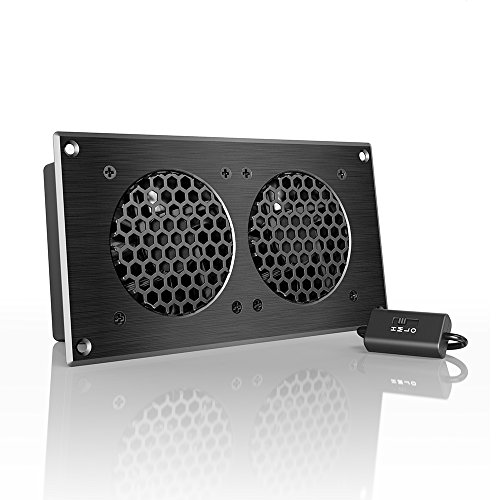
An ultra-quiet UL-certified fan system designed for cooling cabinets that requires minimal noise.

Adaptive Room Balancing: Automatically balance temperatures between rooms using dual-zone sensors that monitor both sides, adjust airflow output, and reverse fan direction to transfer air where it’s needed most.
Conclusion
Thawing a frozen AC unit safely is crucial for its longevity and efficiency. By following the simple steps outlined in this article, you can prevent damage and ensure your AC unit performs optimally. Remember to turn off the unit, check and replace the air filter, utilize a fan for quicker thawing, and schedule regular maintenance with a professional HVAC technician. These steps will help you thaw your AC unit safely and maintain its functionality in the long run.
Frequently Asked Questions
Why is it important to safely thaw a frozen AC unit?
Thawing a frozen AC unit is crucial to prevent damage caused by ice buildup, ensure proper functioning, and maintain energy efficiency.
What are the steps to safely thaw a frozen AC unit?
- Turn off the AC unit.
- Inspect and replace the air filter if dirty.
- Use a fan to help speed up the thawing process.
- Schedule regular maintenance with an HVAC technician to address any underlying issues.
How can I avoid potential harm to my AC unit?
Regularly checking and cleaning the air filter, maintaining proper airflow around the unit, and scheduling routine professional maintenance can help prevent issues leading to freezing.

Hi, I’m Charlie, and I cover all things laundry here at Appliance Mastery.
I’ve spent over eight years working on washing machines, dryers, and dishwashers. I also have a degree in mechanical engineering, which helps me understand how these appliances really work.
I try to make every guide clear and practical. If you’re stuck with a noisy dryer or a leaking washer, I’ll help you figure out what’s wrong and how to fix it.