
Ever wondered if your AC needs water to keep you cool? Picture this: it’s a scorching summer day, and your air conditioner is your only solace. But wait, does it need water to function efficiently? In this article, you’ll uncover the truth about whether your AC unit actually needs water to keep you comfortable.
You’ll be relieved to know that most AC units do not require water to cool your space. Understanding this can save you time, money, and unnecessary hassle. Stay tuned as we delve into the details and provide you with valuable insights on how to maintain your AC without the need for water.
Myth: AC Units Need Water to Function
When it comes to air conditioners, a common misconception is that they require water to operate effectively. This myth might lead you to believe that adding water to your AC unit is necessary for optimal performance, but in reality, most AC units do not need water to cool your space efficiently.
In fact, modern air conditioners are designed to cool the air without water. The cooling process involves refrigerant circulating through coils to absorb heat and moisture from the indoor air. As the hot air passes over these coils, the refrigerant removes heat, leaving cooler air to be circulated back into your room.
AC units that do require water are typically older models or specific types like evaporative coolers, which rely on water evaporation to cool the air. If you have a traditional split-system AC or a window unit, rest assured that you don’t need to add water for it to work effectively.
Maintaining your air conditioner involves tasks like changing filters, cleaning coils, and ensuring proper ventilation. By understanding that most AC units operate without water, you can focus on these maintenance steps to keep your system running smoothly without unnecessary water consumption.
How AC Units Actually Cool Air
When it comes to understanding how AC units cool the air in your home, it’s essential to grasp the unique processes involved:
- Refrigerant Circulation: AC units use refrigerant to absorb heat from indoor air.
- Compression and Expansion: The refrigerant circulates through the system, undergoing changes in pressure to release absorbed heat.
- Heat Exchange: Air from indoors is blown over cooling coils containing the refrigerant to reduce its temperature.
- Moisture Removal: As the air cools, moisture in the form of humidity condenses on the coils and is drained away.
- Circulation: The now-cooled and dehumidified air is blown back into your living space.
Understanding this process underscores why AC units don’t need water to cool your home effectively. Regular maintenance ensures your AC system continues to operate efficiently.
Factors Impacting AC Efficiency
When considering AC efficiency, there are several factors to keep in mind that can influence how well your unit performs. Here are key aspects to consider:
- Regular Maintenance:
- Cleaning filters ensures proper air circulation.
- Checking refrigerant levels helps maintain cooling capacity.
- Inspecting ductwork for leaks improves overall efficiency.
- Proper Sizing:
- Ensuring your AC unit is appropriately sized for the space helps avoid overworking the system.
- Placement:
- Locating the unit in a shaded area can reduce strain on the system by avoiding direct sunlight.
- Insulation:
- Well-insulated spaces keep cool air in and hot air out, reducing the workload on your AC unit.
- Thermostat Settings:
- Optimal temperature settings help maintain comfort while reducing energy consumption.
Keep these factors in mind to maximize the efficiency of your AC unit and ensure a comfortable environment in your home.
Recommended Products

【Parts Number】: The SPP6 Compressor Hard Start Booster Capacitor can save stuck compressor by increasing the compressor’s starting torque by 500%
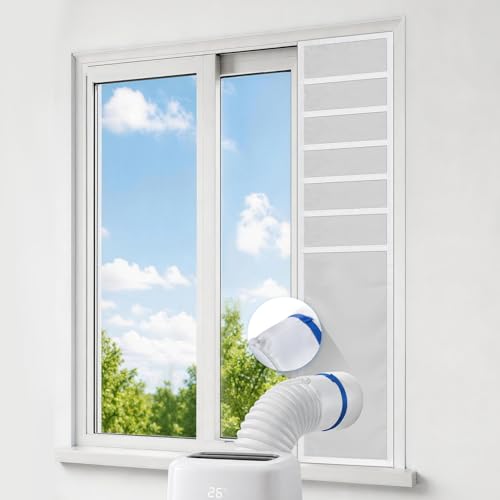
Superior Sealing Performance: The portable ac window vent kit features a drawstring cuff design that accommodates 1-6 inch exhaust pipes. The newly engineered air conditioner window seal kit achieves a truly 'zero-gap' seal, securely locking in cool indoor air while preventing hot air from entering, along with rainwater and insect intrusion, maintaining a cool and comfortable indoor environment. The special waterproof TU fabric undergoes thermal insulation treatment, efficiently reflecting sunlight for rapid cooling, delivering energy savings and cost efficiency

PREMIUM MATERIAL - The mini split cleaning bag is made of high-quality thickened PVC material, waterproof, wear-resistant and scratch-resistant, can be folded for storage. Unique shape design can effectively drain dirty water and prevent dirty water from splashing on walls and floors.
Tips for Maintaining Your AC Unit
Regular Maintenance Tips:
- Clean or replace filters every 1-3 months.
- Check refrigerant levels annually.
- Inspect ductwork for leaks or blockages.
- Place the unit in shaded areas to reduce workload.
- Ensure proper sizing for your space to avoid overworking the AC.
- Set your thermostat to a comfortable yet efficient temperature.
- Use programmable thermostats to adjust temperatures when you’re away.
Conclusion
Remember, taking good care of your AC unit is key to keeping it running efficiently and effectively. By following the tips mentioned in this article, such as regular filter cleaning, annual refrigerant level checks, and proper placement in shaded areas, you can ensure your AC unit operates at its best. Don’t forget the importance of setting the thermostat to an efficient temperature and using programmable thermostats for added convenience. These simple practices not only help maintain your AC unit but also contribute to a more comfortable and enjoyable indoor environment. So, keep these tips in mind and enjoy the benefits of a well-maintained AC system in your home.
Frequently Asked Questions
How can I maintain my AC unit to ensure optimal performance?
Regularly clean or replace filters, check refrigerant levels annually, inspect ductwork for leaks, place unit in shaded areas, ensure proper sizing, set thermostat efficiently, and use programmable thermostats.
Why is it important to maintain AC units?
Regular maintenance maximizes efficiency, prolongs unit lifespan, reduces energy consumption, ensures consistent performance, and creates a comfortable living environment.
How often should AC filters be cleaned or replaced?
Filters should be cleaned or replaced every 1-3 months, depending on usage and air quality, to maintain proper airflow and indoor air quality.
What are the benefits of checking refrigerant levels annually?
Checking refrigerant levels ensures optimal cooling performance, prevents system breakdowns, reduces energy consumption, and maintains system efficiency.
Can I inspect ductwork for leaks and blockages myself?
Yes, visually inspect ductwork for signs of leaks, such as dust or debris near connections, and ensure no obstructions are blocking airflow for efficient cooling.

Hi, I’m Charlie, and I cover all things laundry here at Appliance Mastery.
I’ve spent over eight years working on washing machines, dryers, and dishwashers. I also have a degree in mechanical engineering, which helps me understand how these appliances really work.
I try to make every guide clear and practical. If you’re stuck with a noisy dryer or a leaking washer, I’ll help you figure out what’s wrong and how to fix it.