
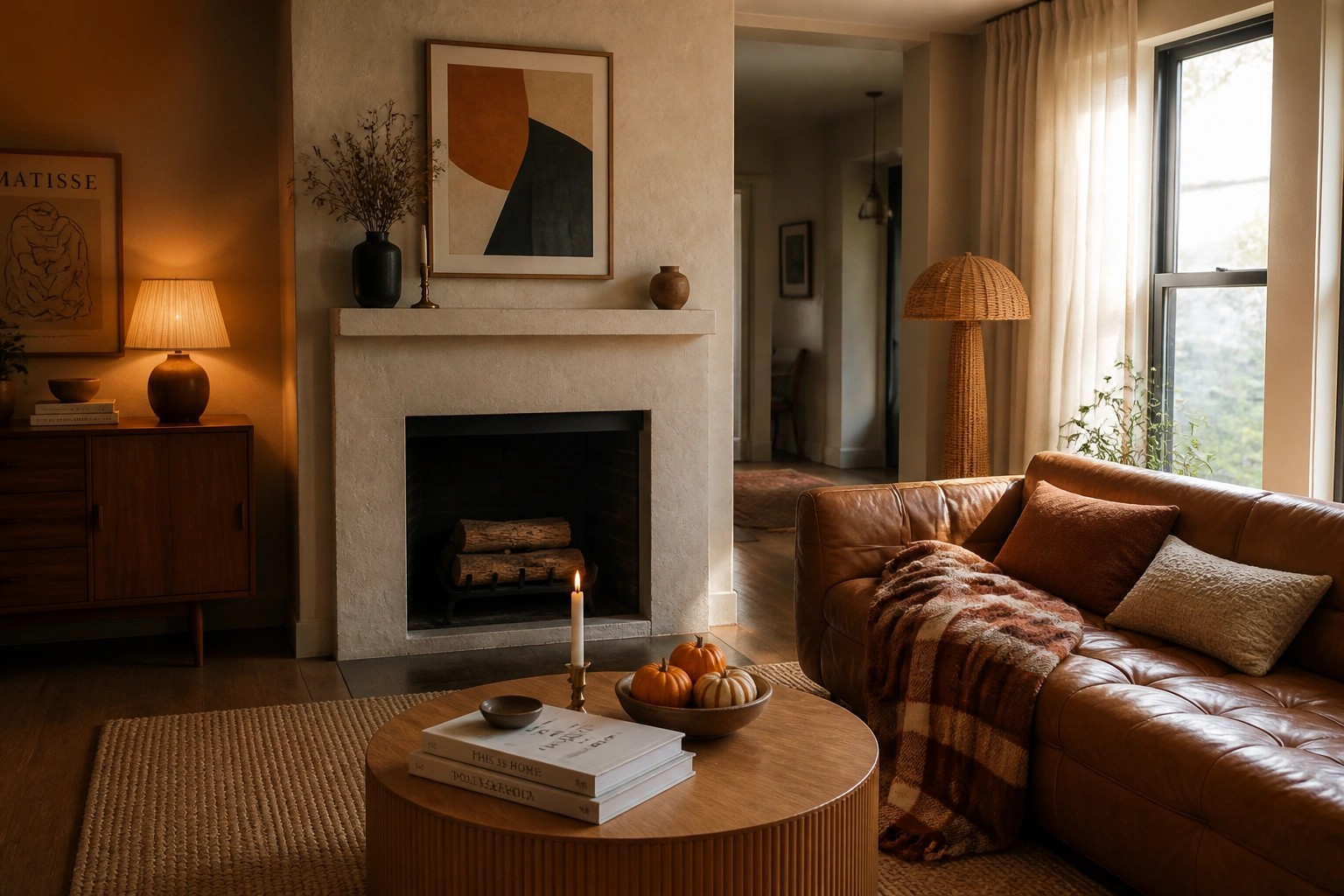
When fall arrives I start noticing how the living room actually holds up once the days get shorter and people spend more time inside.
The furniture placement and the layers of fabric and light can shift whether the space feels usable for reading or watching something or just ends up looking staged.
I have found that the adjustments which stick are the ones that still let the room work for normal routines instead of fighting them.
Trying a new throw near the sofa or shifting a side table often reveals which small moves improve daily comfort more than expected.
Some ideas need adapting to fit real layouts.
Layer a Plaid Throw Over Leather Seating
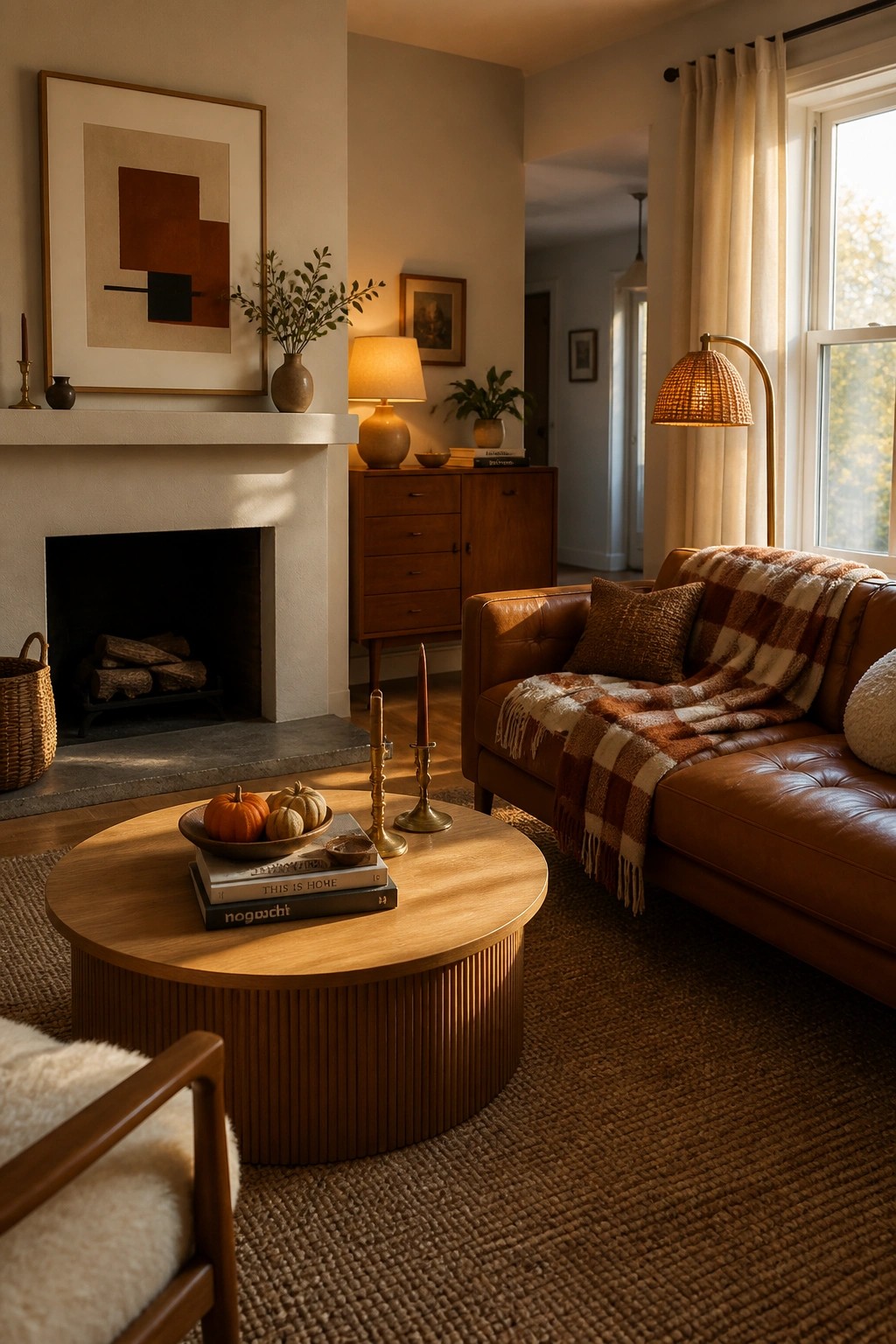
A plaid throw adds quick seasonal texture without rearranging the whole room. The pattern and fringe soften the look of leather while bringing in fall colors that feel natural rather than forced.
This works best in living rooms that already have solid or neutral seating. Let the throw rest loosely across one corner of the sofa so it looks used instead of placed, and swap it out when the season changes.
Arrange Two Chairs Facing the Fireplace

Many living rooms feel more pulled together when two chairs sit directly across from the fireplace. This setup keeps the fire as the clear center and gives the space a natural spot to gather without needing a large sofa. It works especially well in fall when the hearth gets more use.
This arrangement suits rooms with a strong brick or stone fireplace and enough floor space for a rug underneath. Keep the chairs simple and low so they do not block the view of the flames. A small table between them is often enough to finish the spot.
Use a Green Sofa With Warm Rust Accents

A deep green sofa gives a living room a solid base that feels right for fall. It holds its own against darker walls and pairs naturally with warmer tones, so the space reads cozy without extra effort.
Drape a rust plaid throw across one corner and add two or three pillows in the same family. This works best in rooms with a fireplace or built-in shelves, where the colors can echo the wood and stone already in place. Keep the rest of the palette simple so the contrast stays clear.
Built-In Shelving Around the Fireplace

Built-in shelves on either side of a fireplace give the room a settled look and plenty of room for baskets, plants, and everyday things. This setup keeps the focus on the fire while making the whole wall feel useful instead of just decorative.
It works best in smaller living rooms where you want storage without adding extra furniture. Keep the shelves fairly open so the stone and mantel stay the main features, and use simple bins or neutral pottery to avoid crowding the space.
Add a Plaid Throw for Simple Fall Warmth
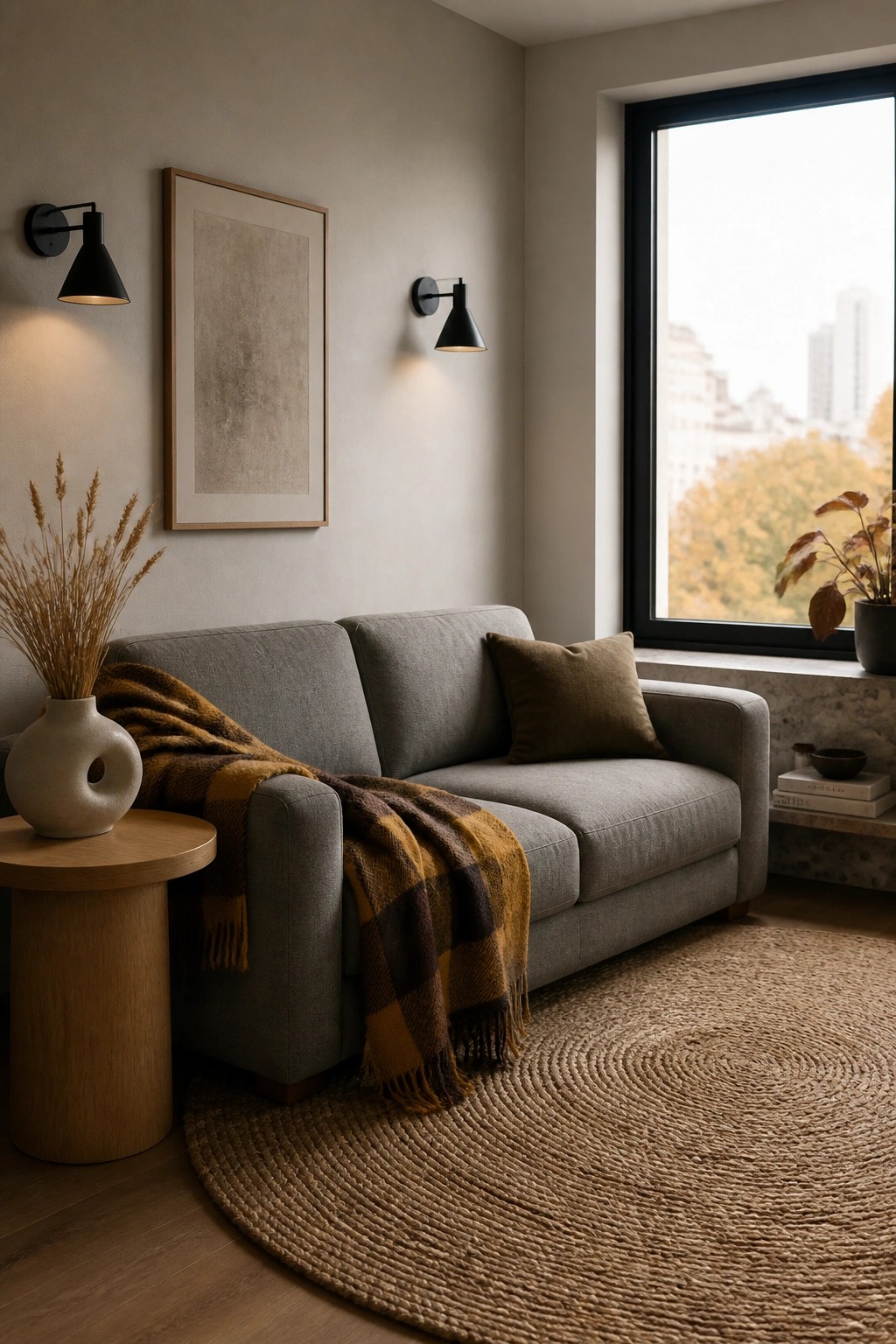
A neutral sofa can feel flat once the weather cools. Throwing a plaid blanket in warm tones across the back or seat adds color and texture right away. It is one of the easiest changes to make and still looks relaxed.
This works best in living rooms that already have simple furniture and solid walls. Pick a throw with mustard or brown tones so it picks up the season without clashing. Let the fabric drape naturally instead of folding it too neatly.
Layer Textiles for Extra Warmth
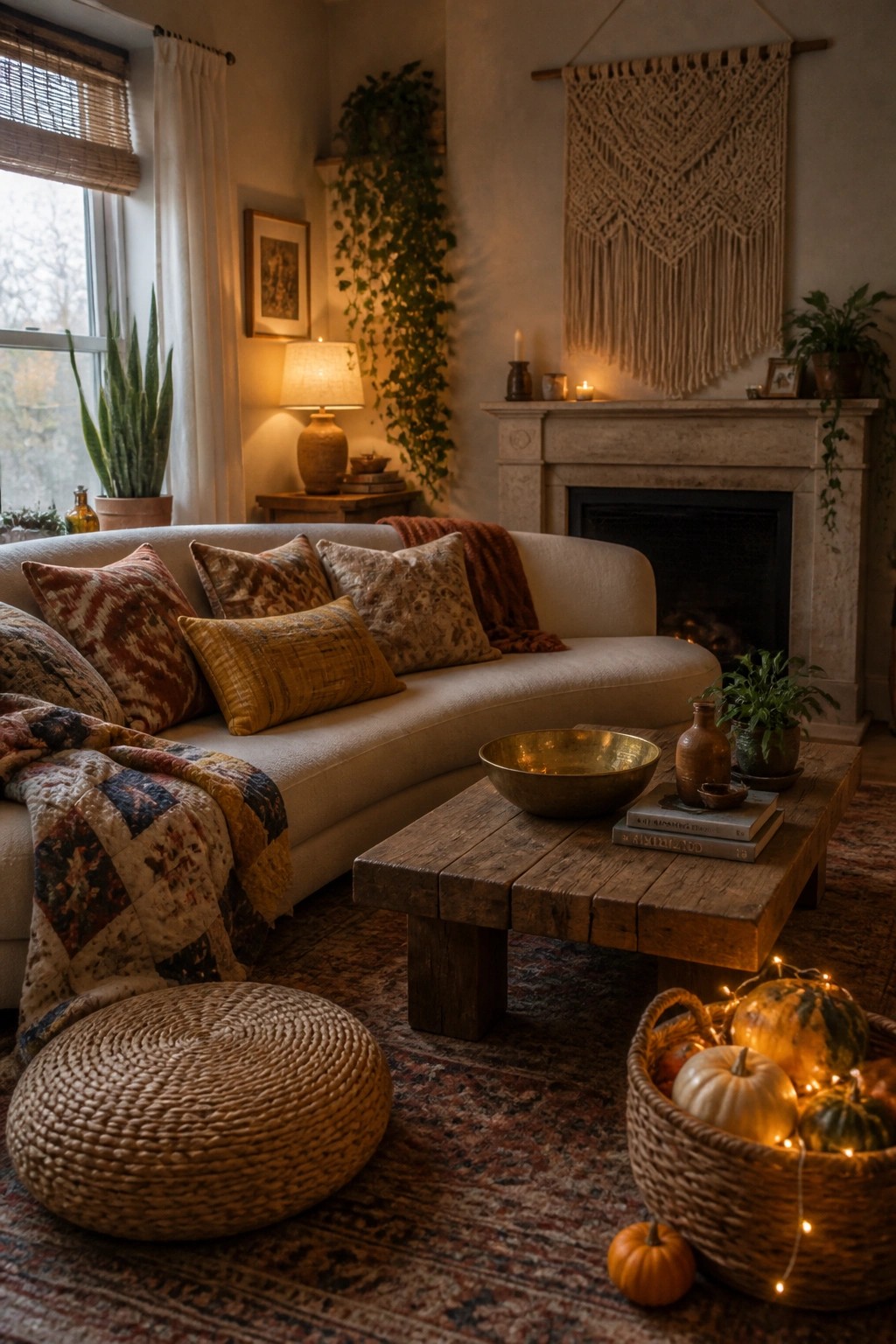
One simple way to shift a living room into fall mode is to add more layers of fabric. A few pillows in different patterns, a throw blanket, and a quilt draped over the sofa create softness and make the space feel warmer without any big changes.
This approach works best when the base pieces stay light and simple so the textiles can stand out. It suits most homes and can be swapped out quickly once winter sets in.
Leather Sofas For Cozy Fall Rooms
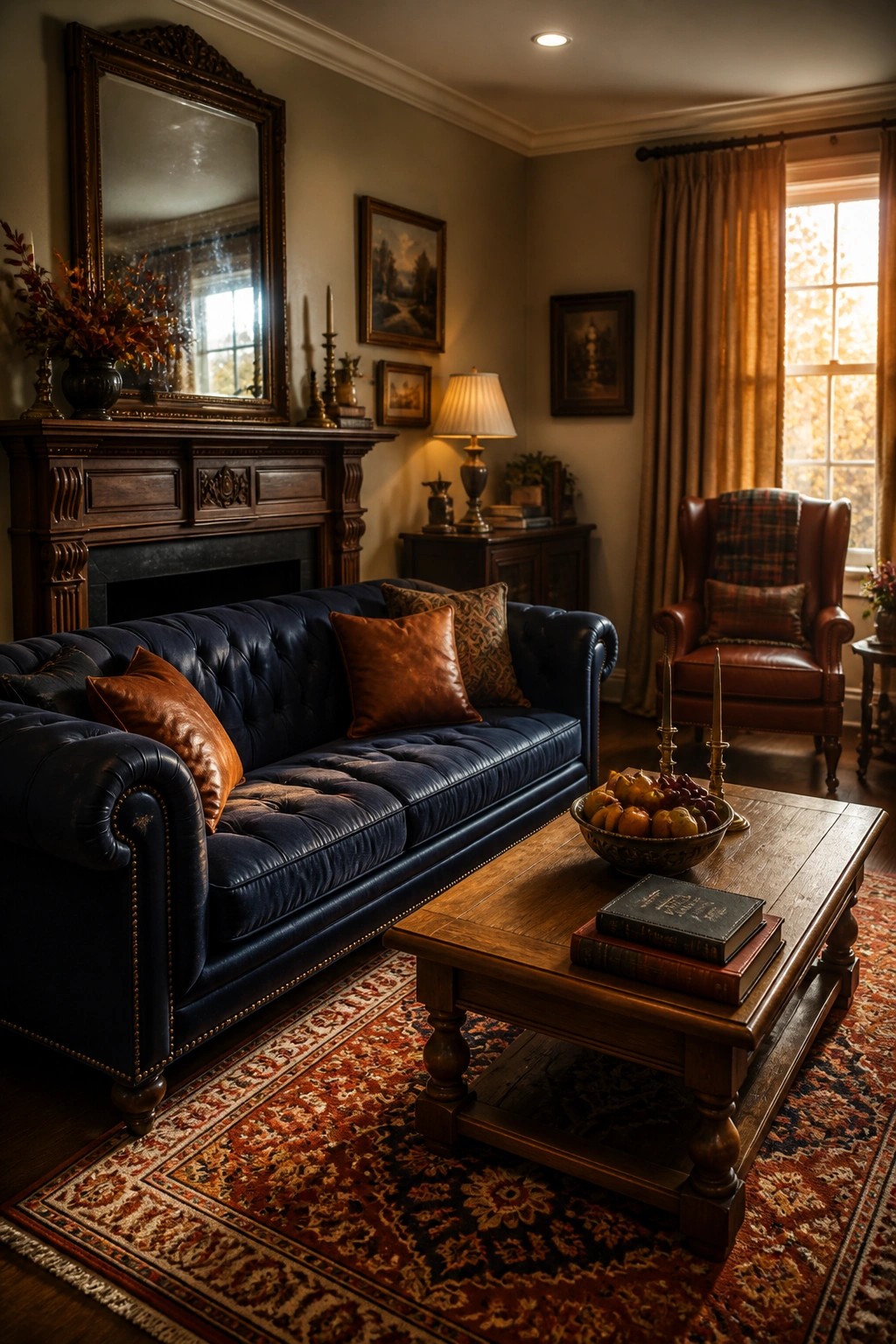
A leather sofa gives a room that solid, settled feeling that works well once the days get shorter. It adds warmth through its texture and color while standing up to daily use without looking tired.
Place it with wood pieces and a thick rug to keep the balance right. This setup suits older homes or any space where you want comfort that feels practical rather than fussy.
Add Dried Grasses for Simple Fall Texture
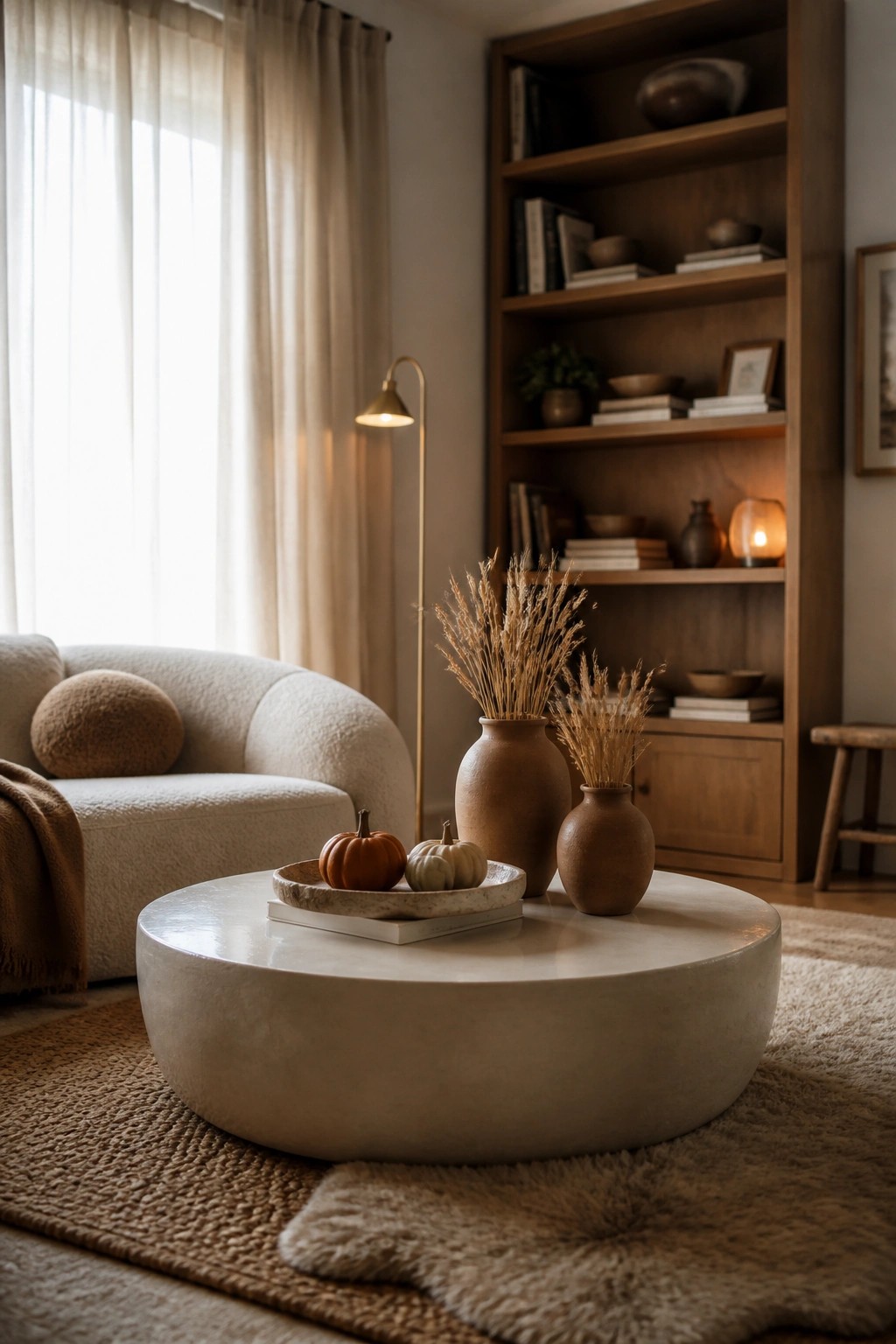
Dried grasses bring a quiet seasonal shift to a living room without adding much color or clutter. They work especially well against soft neutrals and help the space feel warmer through texture alone.
Set two or three vases of varying heights on the coffee table and tuck in a few small pumpkins nearby. This works best in rooms that already have a calm base and keeps the look easy to refresh each year.
Center Your Living Room on a Stone Fireplace

A stone fireplace gives the room a steady center that feels natural in fall. Everything else can sit around it without needing much extra planning.
Keep the seating low and close so people can actually use the fire. This works best in homes that already have some wood tones and simple walls, since the stone does most of the work.
Layer Rugs for Added Warmth
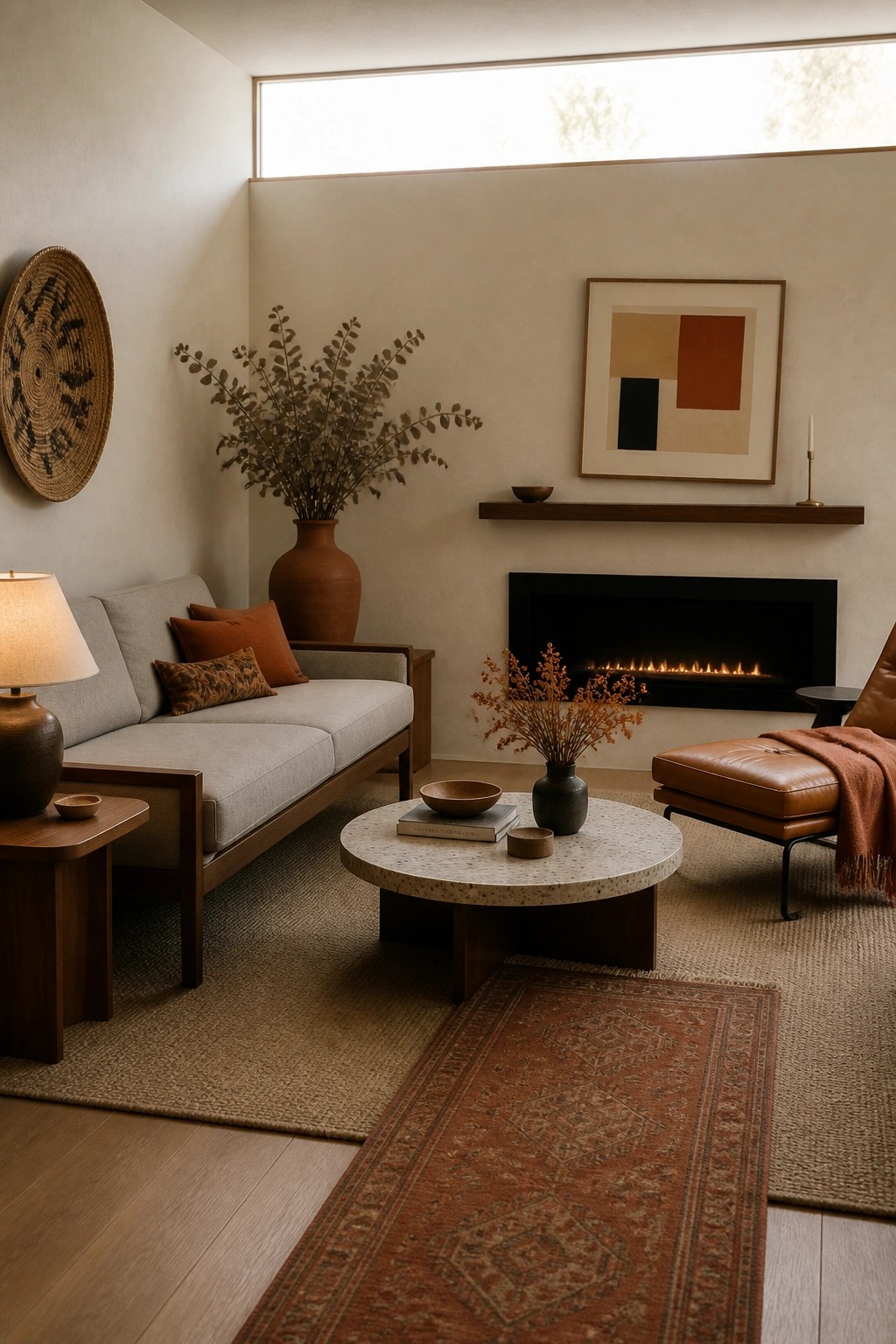
Layering rugs gives a living room an easy way to feel cozier without changing much else. The mix of a large natural fiber base and a smaller patterned rug on top creates depth and helps the seating area feel more pulled together during cooler months.
This approach works best in spaces with wood floors or open layouts where you want to define the main sitting zone. Keep the top rug smaller and centered near the fireplace so the layering stays practical and does not overwhelm the room.
Use Natural Wood For A Warmer Living Room

Natural wood brings an easy kind of warmth that works well once the weather cools. It adds texture and weight without needing a lot of extra color or pattern.
Place one solid wood piece, like a long table or bench, near your main seating area. It suits rooms with light sofas and simple rugs, and it keeps the space from feeling too soft. Just avoid crowding it with too many small items.
Layer Warm Textiles Over A Neutral Sofa
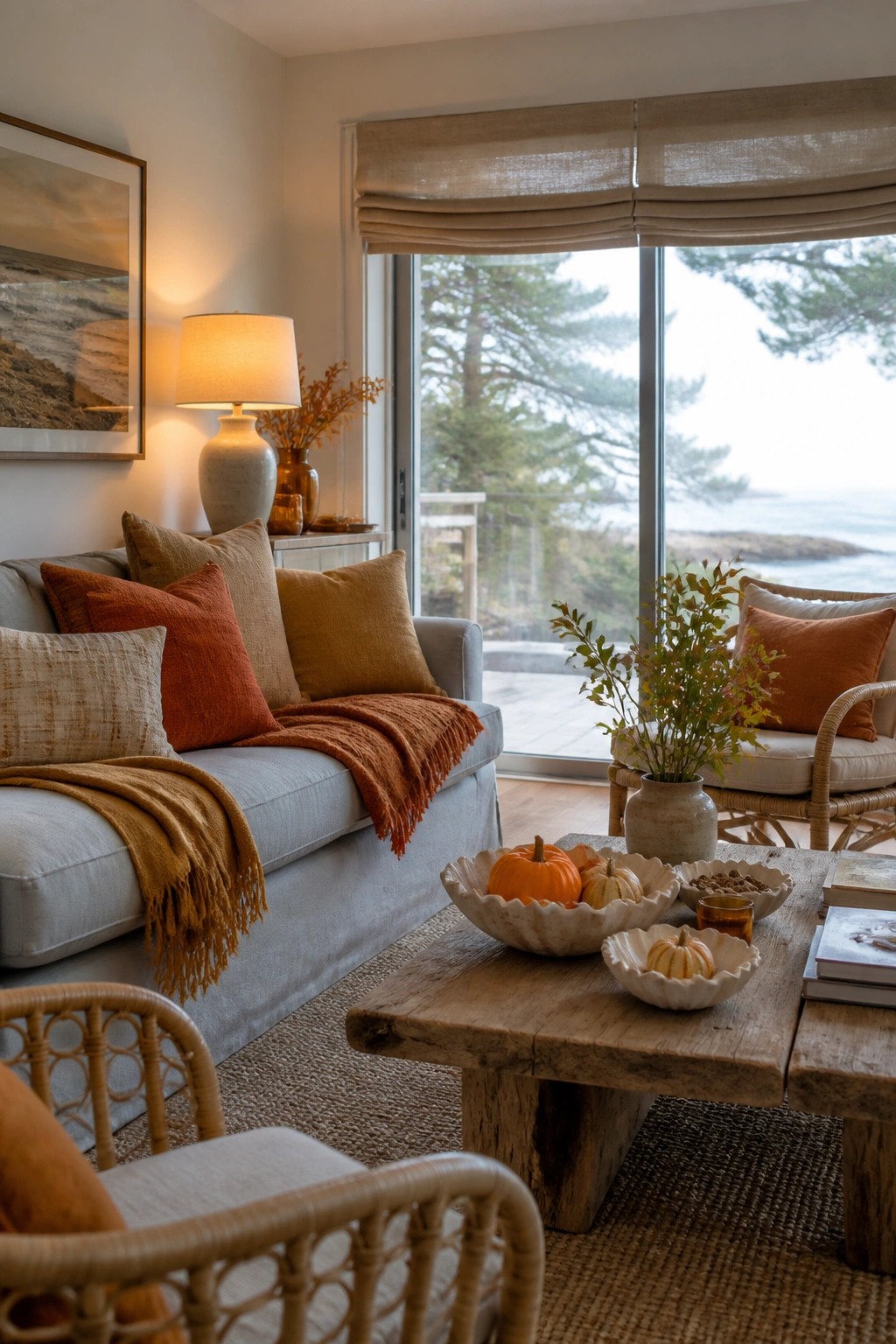
Many living rooms feel more inviting in fall when you add a few layers of warm fabric instead of buying new furniture. A light sofa works well as a base because the rust and mustard tones sit on top without competing.
This approach suits rooms that already have simple walls and wood floors. Stick to two or three colors in the textiles and let them handle the seasonal shift.
Built-In Bookshelves Layered With Books

One simple way to make a living room feel warmer in fall is to use built-in shelves as the main feature. Filling them with books creates depth and texture that changes with the seasons, especially when the wood is dark and the lighting stays low and focused.
This approach suits older homes or any space with a solid wall that can hold shelves. Keep the arrangement a bit loose so it feels collected rather than styled, and leave room for a chair nearby so the area actually gets used.
Anchor the Room with a Large Area Rug

A big area rug does a lot of the heavy lifting when you want a living room to feel pulled together for fall. It adds warmth underfoot and helps the seating area feel like its own zone even in an open space.
Put the rug under the main sofa and coffee table so the front legs of the furniture rest on it. This works especially well in rooms with hardwood floors where you need something softer and more seasonal without changing the whole layout.
Ground the Room With a Large Area Rug

A big area rug can pull a living room together fast, especially when the season shifts and you want things to feel warmer underfoot. It defines where the seating belongs and adds pattern without needing a lot of extra pieces.
Place it so the front legs of the main chairs and sofas sit on the rug, leaving a little floor showing around the edges. This works well in rooms with wood floors or simple carpet and keeps the layout from feeling scattered.
Warm Up the Room With Rich Orange Tones

A deep orange sofa gives a living room an immediate sense of warmth that feels right for fall. The color works because it echoes the season without needing a full overhaul of the space.
This approach suits rooms that already have wood furniture or layered rugs. Keep the rest of the palette in similar earth tones so the orange stays grounded rather than overwhelming the room.
Pair Leather Seating With A Simple Throw
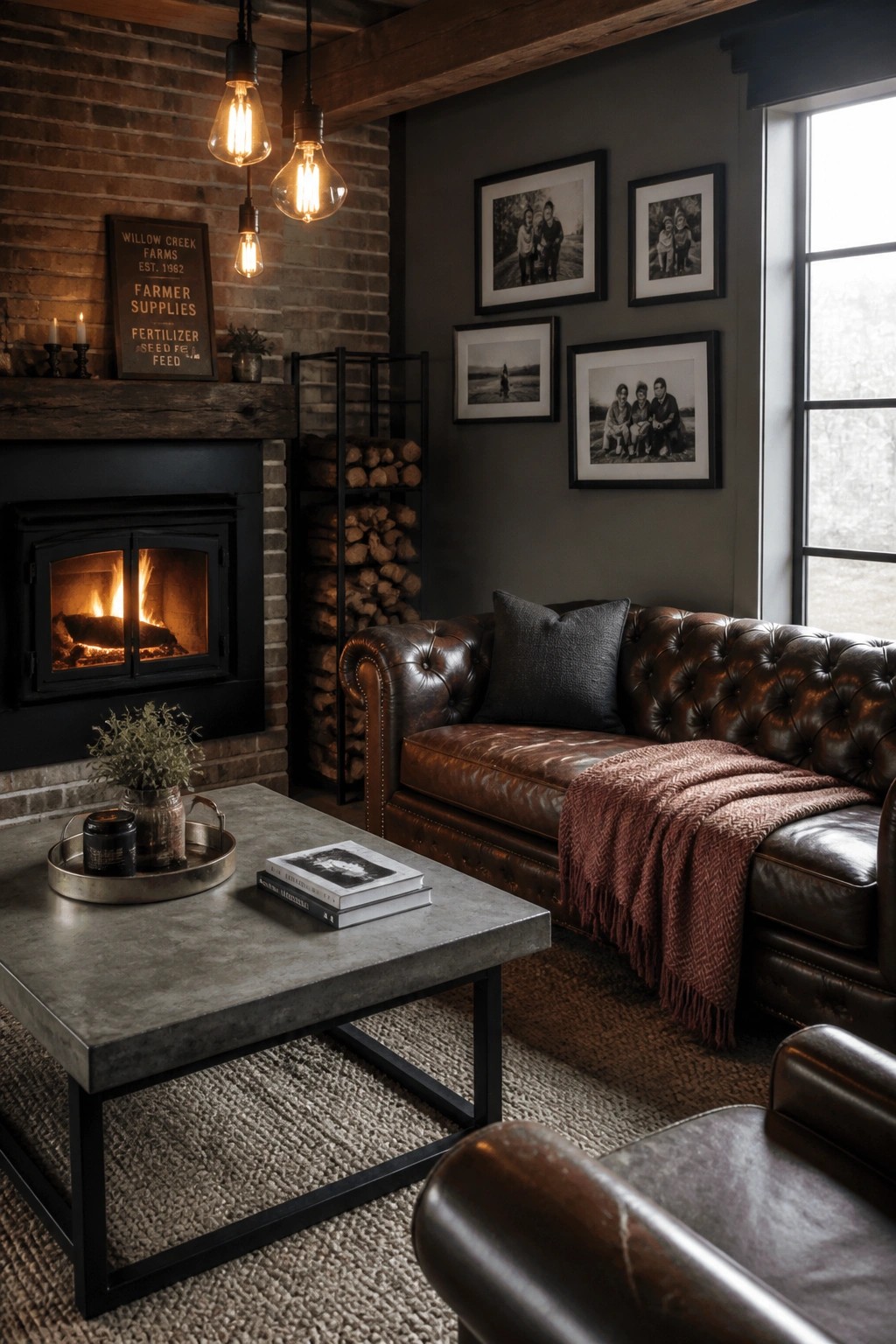
A leather sofa brings a solid, lasting base to a living room that feels especially right in fall. The material adds depth without much effort and holds up well when you start layering on blankets and pillows for the season.
Place it near a fireplace or along a darker wall so the warmth of the leather stands out. It works in homes that already have wood beams or brick and looks best when you keep the throw in one deeper tone rather than adding too many patterns.
Low Seating With Warm Layers
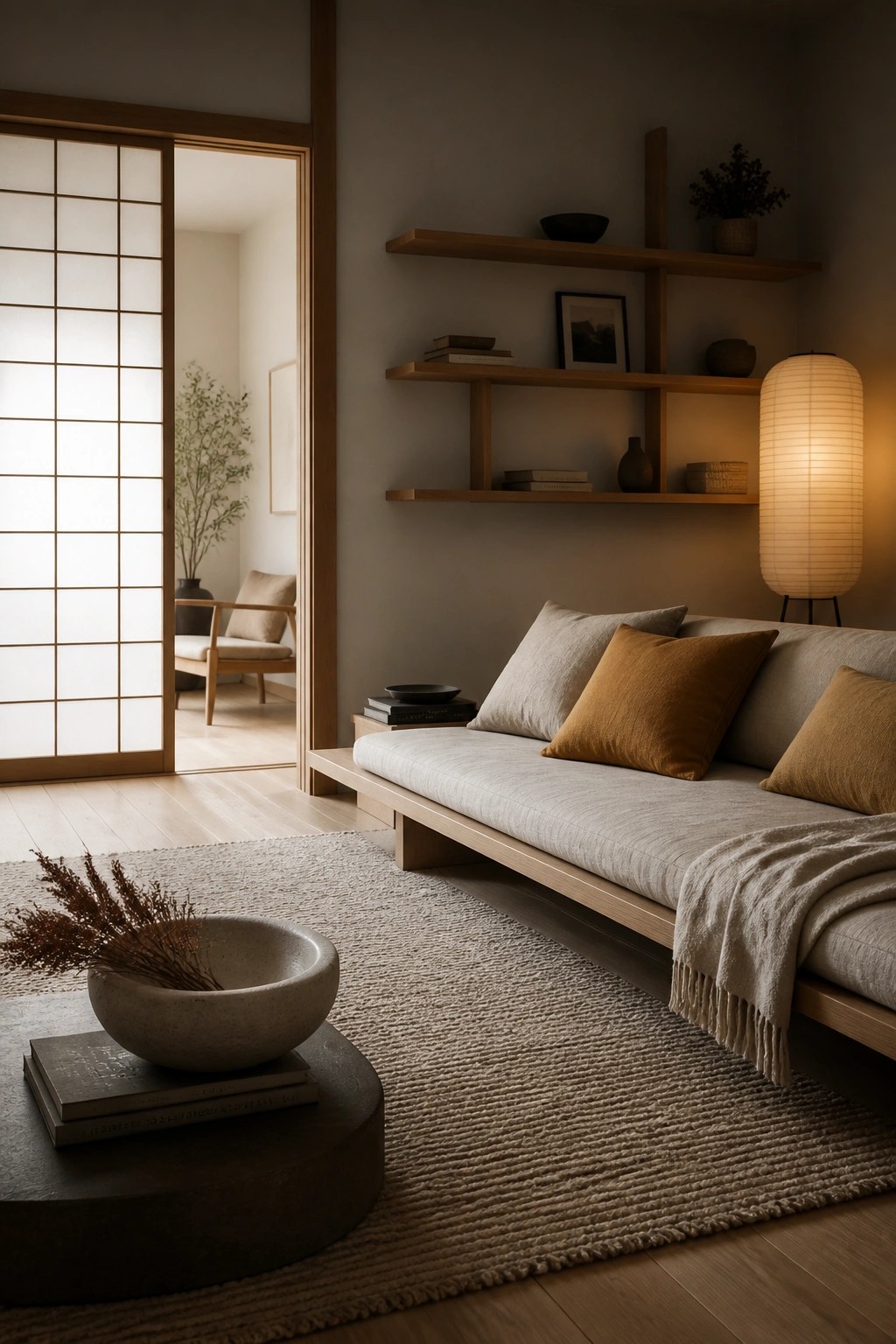
A low wooden sofa keeps the seating close to the floor and creates a relaxed, grounded spot that feels right for cooler months. The simple frame lets textiles do the work, so adding a few pillows and a fringed throw brings in just enough softness and color.
This style works best in rooms that already have wood tones and natural light. Stick to one or two warm accent shades on the pillows and keep the rest neutral so the space stays calm rather than busy.
Jewel Tones For Fall Warmth

Deep colors in the seating make a big difference once the days get shorter. Navy velvet on the sofa next to brown leather chairs creates a grounded, comfortable feel that holds up through the season without needing a full overhaul.
This works best in rooms that already have darker walls or wood tones. Keep the rest of the palette simple so the fabrics stay the focus, and add just a few seasonal pieces on the table to tie it together.
Woven Baskets Bring Texture to Plain Walls
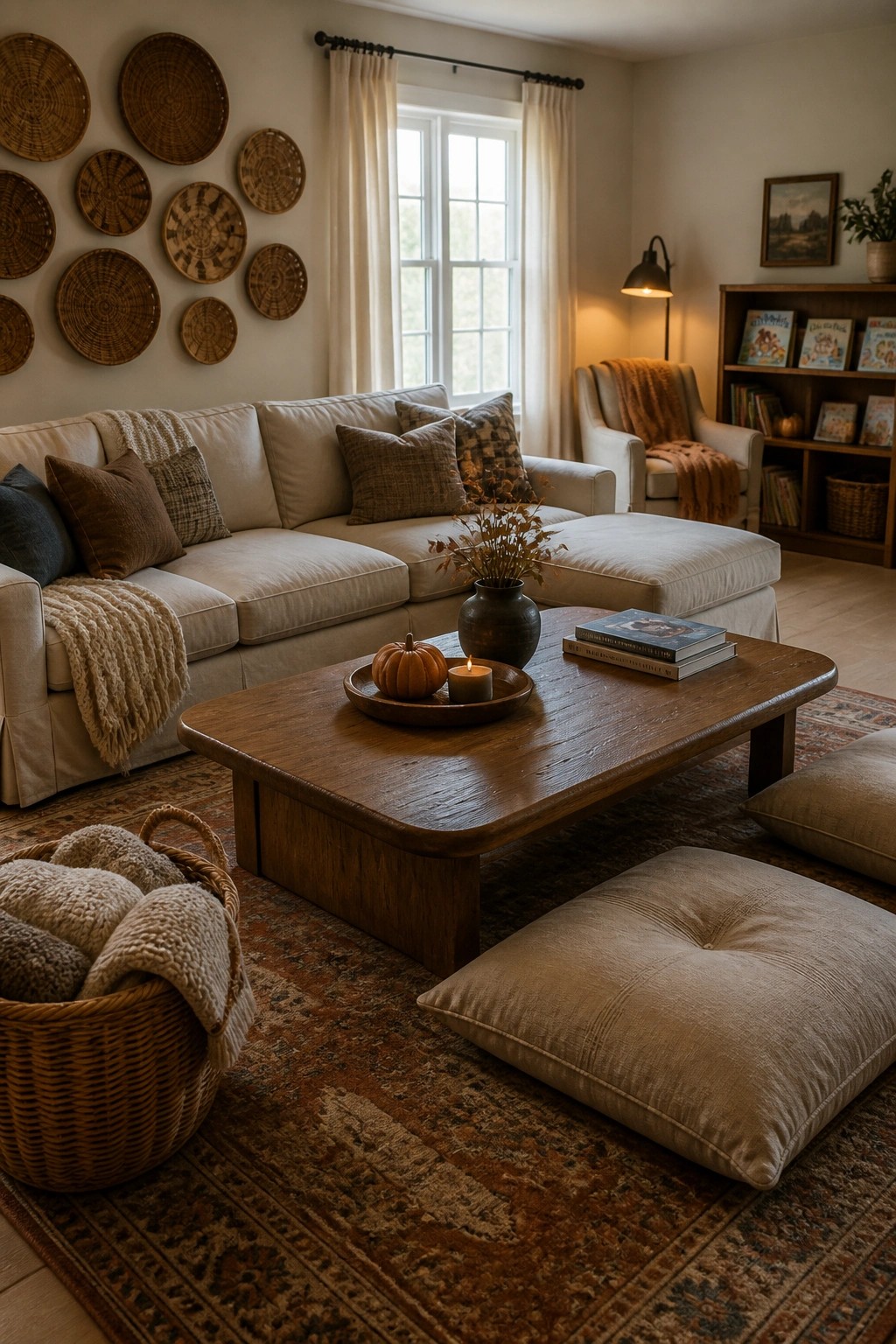
Woven baskets on the wall give a room a simple way to add depth without adding color or busy patterns. They pair well with neutral furniture and help the space feel more collected during fall when you want things to look a little softer and warmer.
Group them in uneven clusters above a sofa or along an empty stretch of wall. This works best in rooms that already have other natural textures like wood or wool, and it keeps things from feeling too flat once the bright summer light fades.
Layer a Warm Area Rug to Anchor the Room

A large rug in rich earth tones can pull a living room together fast. It softens the hard floor, adds color that feels right for fall, and creates a clear spot for seating without needing extra furniture or built-ins.
Place the rug so the front legs of the sofa and any chairs rest on it. This works best in rooms with wood floors and a central fireplace. Keep the rest of the space simple so the rug does the work of bringing warmth and focus.
Layer Warm Textiles Over a Neutral Sofa
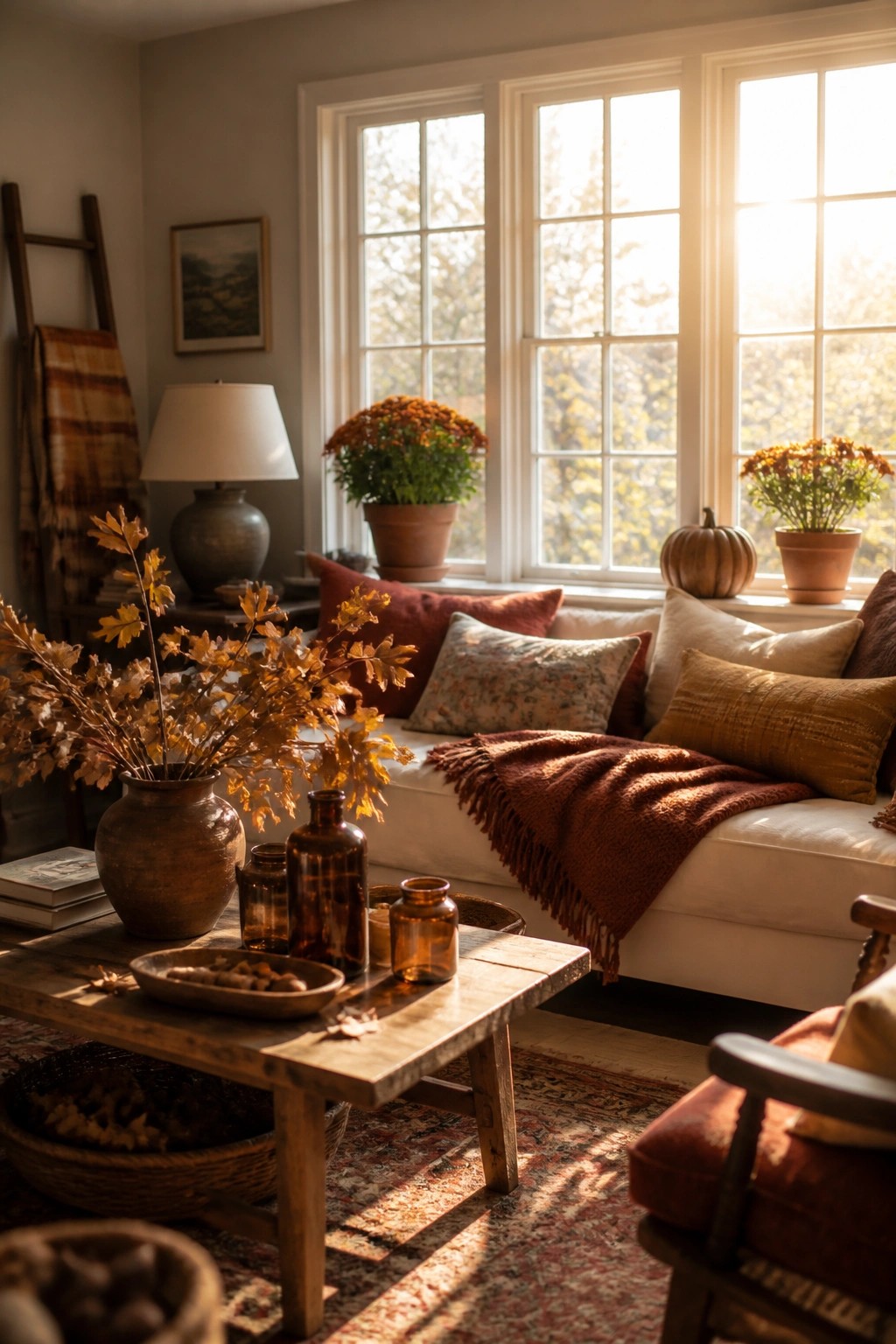
A simple way to refresh a living room for fall is to add a few pillows and a throw in warm colors. The contrast against a light sofa makes the room feel cozier without any big changes.
This works best in spaces that already have a calm base, since the rich tones stand out more. It suits most homes and lets you switch things back to lighter layers when winter sets in.
Frequently Asked Questions
Q: Where do I even start if I only want to try two or three ideas from the list?
A: Pick one main seating area first. A new throw and two pillows can shift the whole room without touching anything else.
Q: How do I layer textures so it feels cozy but not messy?
A: Stick to two or three materials max like wool, linen, and wood. Place them in one spot such as the couch or a side table so the eye has a clear place to rest.
Q: What happens to all this stuff once winter hits?
A: Swap the brightest orange accents for deeper greens or creams you already own. Keep the blankets and candles out since they work year round anyway.
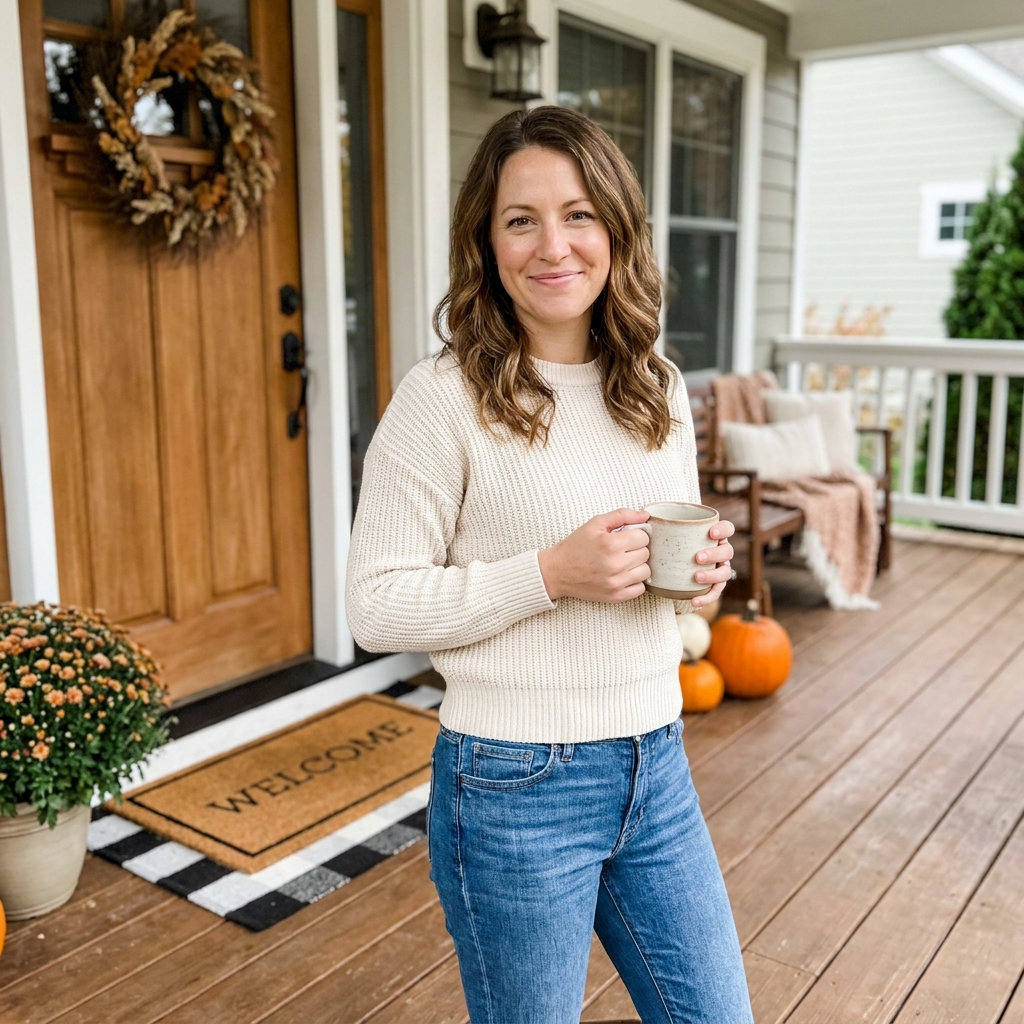
I’m Claire, the voice behind The Seasoned Home. I’ve always loved the way a home can shift with the seasons and feel fresh, cozy, and welcoming all over again. I share seasonal home decor ideas that feel beautiful but still realistic for everyday life, from porch styling and wreaths to cozy bedrooms, living rooms, kitchen touches, and simple table decor. My favorite ideas are the ones that make a home feel special without making decorating feel complicated.