
Whirlpool microwave reheat codes indicate specific issues or settings that can affect performance. Understanding these codes allows users to troubleshoot effectively and restore functionality without professional help.
Understanding Whirlpool Microwave Reheat Codes
Whirlpool microwaves use a series of codes to communicate operational statuses and errors. Familiarizing yourself with these codes can help identify problems quickly. Common codes include E1, E2, and E3, each representing different issues. Knowing these codes can save time and reduce repair costs.
Whirlpool Microwave Reheat Code Explanations
Understanding the reheat codes for your Whirlpool microwave can simplify meal preparation and enhance your cooking experience. This section provides clear explanations of each reheat code, helping you utilize your microwave’s features effectively. Dive into the details to make the most of your appliance and ensure perfectly heated dishes every time.
Each code corresponds to a specific error or function. Here’s a breakdown of the most common reheat codes:
| Code | Meaning | Suggested Action |
|---|---|---|
| E1 | Door not closed properly | Check door latch |
| E2 | Overheating | Allow microwave to cool |
| E3 | Sensor error | Reset microwave |
Understanding these codes helps in diagnosing problems quickly. Users can take immediate action based on the code displayed.
Whirlpool Microwave Reheat Code Solutions
Understanding the reheat codes for your Whirlpool microwave can simplify meal prep and enhance your cooking experience. This section delves into specific solutions for common reheat codes, providing clear guidance to help you efficiently utilize your microwave’s features. Whether you’re warming leftovers or preparing a quick snack, these insights will ensure optimal results every time.
When encountering a reheat code, follow these steps to troubleshoot effectively. This process minimizes downtime and helps restore your microwave’s functionality.
Identify the code displayed on the microwave.
Refer to the table above for the meaning of the code.
Perform the suggested action based on the code.
Reset the microwave by unplugging it for 5 minutes if the issue persists.
Test the microwave by attempting to reheat food again.
This systematic approach ensures that most common issues are addressed without professional assistance.
Whirlpool Microwave Repair Tools and Supplies
When tackling repairs on your Whirlpool microwave, having the right tools and supplies is essential for a successful DIY project. This section outlines the necessary equipment and materials you’ll need to efficiently address common issues, ensuring you can confidently navigate the repair process. Equip yourself with this knowledge to simplify your microwave maintenance tasks.
Certain tools and supplies can facilitate effective troubleshooting and repairs. Having the right items on hand can streamline the process.
Screwdriver set for accessing internal components
Multimeter for electrical testing
Cleaning supplies for maintaining sensor functionality
Replacement parts specific to your Whirlpool model
Keeping these items readily available can help resolve issues more efficiently.
Whirlpool Microwave Repair Safety Guidelines
When working on your Whirlpool microwave, safety should always be a top priority. Understanding the essential safety guidelines can help prevent accidents and ensure a smooth repair process. This section outlines the key precautions to take before attempting any repairs on your appliance.
Safety is paramount when working with electrical appliances. Follow these precautions to ensure a safe repair environment.
Unplug the microwave before beginning any repairs.
Avoid touching internal components without proper knowledge.
Use insulated tools to prevent electrical shocks.
Wear safety goggles to protect your eyes from debris.
These measures help prevent accidents and injuries during the repair process.
Whirlpool Microwave Problems Beyond Reheat Codes
While reheat codes are a common concern for Whirlpool microwave users, other issues can arise that may affect performance. Understanding these problems can help you troubleshoot effectively and ensure your microwave operates smoothly. This section will explore various Whirlpool microwave problems beyond just reheat codes, providing insights into potential causes and solutions.
Sometimes, issues extend beyond reheat codes. Identifying these problems can prevent further complications.
Faulty door switches may prevent the microwave from operating.
Worn-out control boards can lead to erratic behavior.
Damaged wiring can cause short circuits.
Addressing these underlying issues can enhance the overall performance of your microwave.
Whirlpool Microwave Error Code Solutions
When your Whirlpool microwave displays an error code, it can be frustrating and confusing. Understanding these codes is essential for effective troubleshooting and ensuring your appliance operates smoothly. This section provides clear solutions for common error codes, empowering you to resolve issues quickly and efficiently.
While many problems can be resolved through DIY methods, some situations require professional intervention. If the microwave continues to display error codes after troubleshooting, it may indicate a more serious issue.
Persistent error codes that do not clear
Strange noises during operation
Burning smells or smoke
In these cases, contacting a qualified technician is advisable to avoid further damage.
Final Notes on Whirlpool Microwave Maintenance
Maintaining your Whirlpool microwave is essential for its longevity and optimal performance. In this section, we will explore key tips and insights to ensure your appliance remains in top shape. From routine cleaning to troubleshooting common issues, these final notes will help you keep your microwave running smoothly for years to come.
Regular maintenance can prevent many issues associated with Whirlpool microwaves. Simple tasks like cleaning the interior, checking door seals, and ensuring proper ventilation can prolong the appliance’s lifespan.
Clean the interior regularly to prevent odor buildup.
Inspect door seals for wear and tear.
Ensure proper ventilation to prevent overheating.
By following these maintenance tips, users can enjoy a more reliable microwave experience.
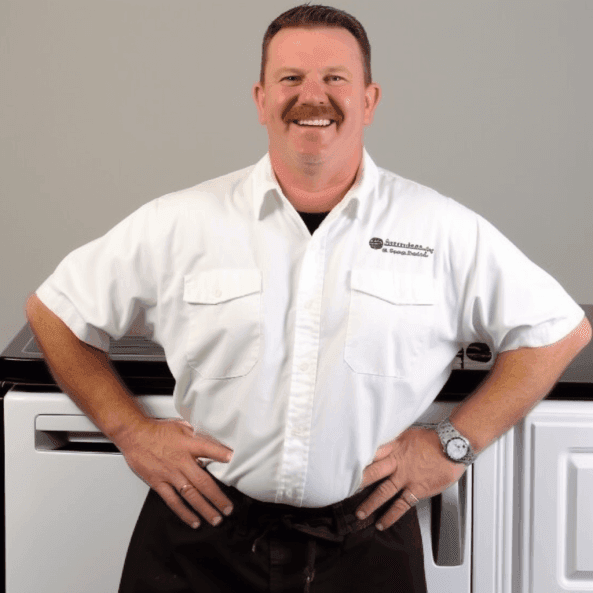
Hey, I’m Jake. I focus on cooling systems at Appliance Mastery, like fridges, freezers, and air conditioners.
I’ve worked in appliance repair for more than ten years and I’m certified through NASTeC. I’ve seen just about every fridge issue you can imagine.
My goal is to help you fix problems without stress. Whether it’s a freezer that won’t cool or an AC that keeps beeping, I’m here to walk you through it.