
Whirlpool dishwasher diagnostic codes help identify specific issues affecting performance. Understanding these codes enables quick troubleshooting and effective repairs, reducing downtime and repair costs.
Understanding Whirlpool Dishwasher Diagnostic Codes
Whirlpool dishwashers display diagnostic codes to indicate malfunctions. Each code corresponds to a specific issue, allowing users to pinpoint problems quickly. Familiarizing yourself with these codes can streamline the troubleshooting process. Below is a quick-look table to help you identify symptoms, primary suspects, and the difficulty level of fixing each issue.
| Symptom | Primary Suspect | Difficulty (1-5) |
|---|---|---|
| Door not sealing properly | Worn door gasket | 2 |
| Dishwasher not draining | Clogged drain filter | 3 |
| Cycle not starting | Faulty door latch | 4 |
| Water not heating | Defective heating element | 5 |
| Error code showing | Control board issue | 4 |
Whirlpool Dishwasher Troubleshooting Essentials
Understanding the essential troubleshooting steps for Whirlpool dishwashers is crucial for maintaining optimal performance. This section provides a concise overview of common issues and their solutions, ensuring you can quickly address problems without unnecessary delays. Familiarizing yourself with these troubleshooting essentials will help you keep your dishwasher running smoothly and efficiently.
Before diving into repairs, gather necessary tools and supplies. Ensure you have the following items ready:
Screwdriver set
Multimeter
Replacement parts
Towels for spills
Safety gloves
Preparation minimizes delays and enhances safety during the repair process. Always disconnect the dishwasher from power before starting any troubleshooting.
Whirlpool Dishwasher Diagnostic Code Explanations
Understanding the diagnostic codes for Whirlpool dishwashers is essential for effective troubleshooting and maintenance. This section provides detailed explanations of each code, helping users identify specific issues and facilitating quicker resolutions. Familiarizing yourself with these codes can enhance your overall experience and ensure your dishwasher operates efficiently.
Familiarity with common diagnostic codes can expedite repairs. Below are some frequently encountered codes and their meanings.
| Diagnostic Code | Meaning |
|---|---|
| F1 | Control board failure |
| F2 | Water temperature issue |
| F3 | Overflow problem |
| F4 | Faulty door latch |
| F5 | Drainage issue |
Each code points to a specific issue that requires attention. For instance, an F1 code indicates a control board failure, which may necessitate a replacement.
Whirlpool Dishwasher Diagnostic Code Solutions
Understanding the diagnostic codes of your Whirlpool dishwasher is essential for effective troubleshooting. This section provides clear solutions to common error codes, helping you quickly identify and resolve issues that may arise during operation. With these insights, you can maintain your appliance’s performance and ensure it runs smoothly.
Follow these steps to address common problems indicated by diagnostic codes.
Identify the code displayed on the control panel.
Refer to the diagnostic codes table to understand the issue.
Gather necessary tools from your checklist.
Disconnect power to the dishwasher.
Access the affected component based on the code.
Inspect for damage or blockages.
Replace or repair the faulty component.
Reconnect power and run a test cycle.
This systematic approach ensures thorough troubleshooting and effective repairs.
Whirlpool Dishwasher Repair Safety Guidelines
When working on your Whirlpool dishwasher, safety should be your top priority. Understanding the essential safety guidelines can help prevent accidents and ensure a smooth repair process. This section outlines crucial precautions to take before and during your repair tasks, enabling you to work confidently and effectively.
Safety is paramount when working on appliances. Always follow these precautions:
Disconnect power to avoid electrical shock.
Wear safety gloves to protect your hands.
Use tools properly to prevent injuries.
Ensure the area is dry to avoid slips.
Ignoring safety measures can lead to accidents and injuries.
Whirlpool Dishwasher Troubleshooting Techniques
Understanding common troubleshooting techniques for Whirlpool dishwashers can significantly ease the process of identifying and resolving issues. This section provides practical methods to diagnose problems effectively, ensuring your appliance runs smoothly and efficiently. By following these techniques, you can quickly pinpoint the source of malfunctions and implement the necessary repairs.
Some issues may not trigger diagnostic codes. Consider these tips for further troubleshooting:
Check the water supply to ensure it’s turned on.
Inspect the drain hose for kinks or blockages.
Clean the filter regularly to prevent clogs.
Run a vinegar cycle to remove mineral buildup.
These practices can enhance the overall performance of your dishwasher.
Whirlpool Dishwasher Professional Repair Scenarios
If troubleshooting does not resolve the issue, it may be time to consult a professional. Complex problems, such as control board failures or significant electrical issues, require specialized knowledge. A trained technician can diagnose and repair these issues safely and efficiently.
Whirlpool Dishwasher Troubleshooting Insights
Understanding the common issues that can arise with Whirlpool dishwashers is essential for effective troubleshooting. This section provides valuable insights into typical problems and their diagnostic codes, enabling users to quickly identify and resolve issues. By familiarizing yourself with these codes, you can ensure your dishwasher operates smoothly and efficiently.
Understanding Whirlpool dishwasher diagnostic codes is crucial for effective troubleshooting. Familiarity with common codes and their meanings can save time and money. Always prioritize safety and consider professional help for complex repairs.
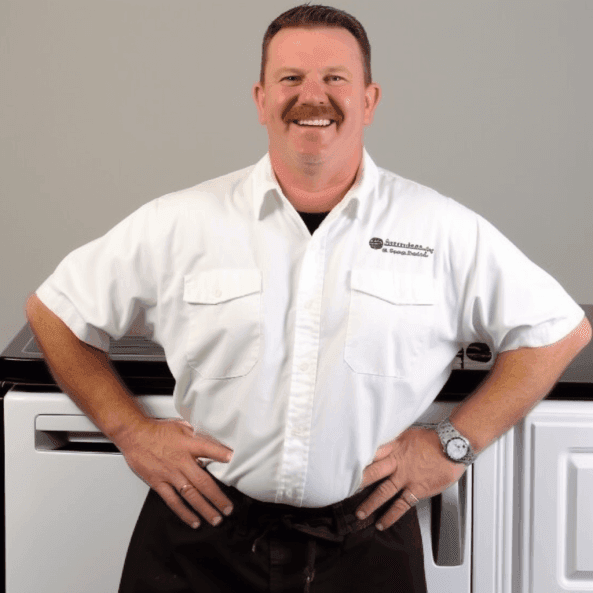
Hey, I’m Jake. I focus on cooling systems at Appliance Mastery, like fridges, freezers, and air conditioners.
I’ve worked in appliance repair for more than ten years and I’m certified through NASTeC. I’ve seen just about every fridge issue you can imagine.
My goal is to help you fix problems without stress. Whether it’s a freezer that won’t cool or an AC that keeps beeping, I’m here to walk you through it.