
When a Whirlpool dishwasher fails to finish its cycle, the issue often stems from a clogged filter or a malfunctioning door latch. Addressing these problems promptly can restore functionality and prevent further damage to the appliance.
Whirlpool Dishwasher Cycle Failure Symptoms
Understanding the symptoms of a Whirlpool dishwasher that fails to finish its cycle is crucial for effective troubleshooting. Identifying these issues early can save time and prevent further complications. This section outlines the common signs that indicate your dishwasher may not be operating as intended, helping you pinpoint the problem quickly.
Understanding the symptoms can help pinpoint the issue with your Whirlpool dishwasher. Common signs include:
The dishwasher stops mid-cycle
The control panel lights blink or flash
Water remains in the bottom of the tub
Unusual noises during operation
Recognizing these symptoms is crucial for effective troubleshooting. If you notice any of these issues, follow the steps outlined below to diagnose and fix the problem.
Recommended Products
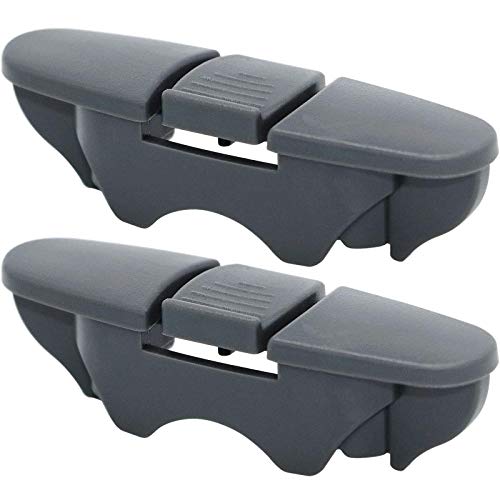
【𝑷𝑹𝑶𝑫𝑼𝑪𝑻 𝑺𝑷𝑬𝑪𝑰𝑭𝑰𝑪𝑨𝑻𝑰𝑶𝑵𝑺】- W10508950 dishwasher rack stop clip is located on both ends of the slide rail to prevent the upper dishrack from sliding completely out of the slide rail, preventing one of the most common accidents in the kitchen. Whirlpool dishwasher stop clip is made of high quality ABS plastic for durability, and the color is dark grey. ➤W10508950 dishwasher upper dishrack slide rail stop clip solves the FOLLOWING PROBLEMS: Slips off the rail when pulling out the dishwasher rack. No stop clip. Old upper rack stop clip is worn or broken. The stop clip separates from the end of the rail

【Upgraded Polymer Material Whirlpool Dishwasher Top Rack Parts 】W10350375 W10712395 for Whirlpool Dishwasher Parts is made of Upgraded design with polymer material, sturdier and stronger than original, durable and fatigue-resistant,especially the wheels are mounted with metal screws which is an improvement on the original design, the rollers glide better and smoother,you don't have to worry even if the dishwasher work long time the wheels will be coming off!

[Package Includes]: 2PCS W10508950 dishwasher dishrack stop clip. WPW10082861 rack stop are located at each end of the slide rail.Dishrack stop clip w10508950 is used to prevent the upper plate rack from sliding completely out of the slide. If your w10508950 dishwasher upper dishrack slide rail stop clip is damaged or worn out, you can purchase our product for replacement
Whirlpool Dishwasher Door Latch Issues
If your Whirlpool dishwasher is not completing its cycle, the door latch may be the culprit. This section will explore common latch-related problems that can disrupt the washing process and provide step-by-step guidance to diagnose and resolve these issues effectively. Understanding the role of the door latch is crucial for ensuring your dishwasher operates smoothly.
A faulty door latch or damaged seal can interrupt the cycle. Ensure the door closes securely and the latch engages properly. A loose or worn seal may allow water to escape, triggering the cycle to stop.
Whirlpool Dishwasher Door Latch Inspection Steps
If your Whirlpool dishwasher isn’t completing its cycle, one common issue could be the door latch. A malfunctioning latch can prevent the dishwasher from operating properly. This section outlines the steps to inspect the door latch, helping you identify and resolve the problem effectively.
Open the door and examine the latch for any visible damage.
Test the latch by closing the door and listening for a click.
Inspect the seal around the door for cracks or wear.
If you find damage, replace the latch or seal. This simple fix can often resolve cycle issues.
Whirlpool Dishwasher Filter and Drain Cleaning
A clogged filter or drain can prevent your Whirlpool dishwasher from completing its cycle, leading to frustration and unclean dishes. This section provides a detailed guide on how to clean the filter and drain effectively, ensuring your dishwasher operates smoothly and efficiently. Follow these steps to maintain optimal performance and extend the life of your appliance.
A clogged filter or drain can prevent the dishwasher from completing its cycle. Food particles and debris can accumulate, causing drainage problems.
Recommended Products

Designed to power away lime and mineral build-up that can occur inside your dishwasher

Suitable for various washers: front, top, and HE machines
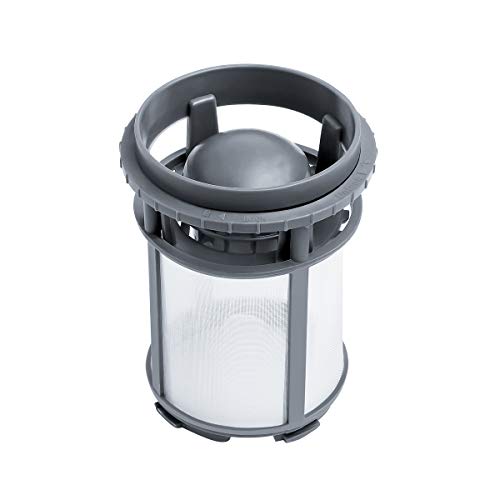
𝐂𝐎𝐌𝐏𝐀𝐓𝐈𝐁𝐋𝐄 𝐌𝐎𝐃𝐄𝐋𝐒 - Funmit W10872845 dishwasher filter replacement is fully compatible with Whirlpool, Kenmore, Amana, and Kitchenaied dishwasher. W10872845 is equivalent to W10393354, WPW10693534, W10425171, W10455263, W10234631, W10393351, 8579307, W10693534, W10465374, W10465373, W10465377, W10465379, W10056425. Replaces part# 4454491, AP6030094, PS11759673, EAP11759673 (Contact us if you are not clear the models, and we are here to help within 24 hours)
Cleaning the Whirlpool Dishwasher Filter Steps
A clogged filter can significantly hinder your Whirlpool dishwasher’s performance, preventing it from completing its cycle. Cleaning the filter is a straightforward process that can enhance efficiency and ensure optimal cleaning results. Follow these step-by-step instructions to effectively maintain your dishwasher and keep it running smoothly.
Remove the bottom rack to access the filter.
Twist and lift the filter out of its housing.
Rinse the filter under warm water to remove debris.
Reinsert the filter securely back into place.
Cleaning the filter can enhance performance and ensure the dishwasher completes its cycles.
Whirlpool Dishwasher Water Supply Issues
If your Whirlpool dishwasher isn’t completing its cycle, one common culprit could be water supply issues. This section will explore potential problems related to water flow, including clogs and valve malfunctions, and provide practical steps to troubleshoot and resolve these issues effectively. Understanding these factors can help restore your dishwasher’s functionality and efficiency.
A blocked or kinked water supply line can disrupt the cycle. Check the line for any obstructions or bends that may restrict water flow.
Recommended Products

DISHWASHER CONNECTOR KIT: Includes a 5 ft. stainless steel braided supply line with 3/8 in. compression x 3/8 in. compression ends for standard dishwasher installations

DISHWASHER CONNECTOR: The Eastman stainless steel dishwasher connector is the standard in dishwasher supply lines. This 6 ft. dishwasher supply line is equipped with 3/8 in. compression connection and 3/4 in. FHT elbow

DISHWASHER CONNECTOR KIT: Includes a 12 ft stainless steel braided supply line with 3/8 x 3/8 in compression ends for standard dishwasher installations
Whirlpool Dishwasher Water Supply Line Inspection Steps
If your Whirlpool dishwasher isn’t completing its cycle, a thorough inspection of the water supply line may be necessary. This section outlines the essential steps to check for clogs, kinks, or leaks that could be disrupting water flow, ensuring your appliance operates efficiently and effectively. Follow these guidelines to identify and resolve any issues with the water supply.
Locate the water supply line connected to the dishwasher.
Examine the line for kinks or blockages.
Disconnect the line and flush it with water to clear any debris.
Reconnect the line ensuring it is straight and secure.
Proper water flow is essential for the dishwasher to function correctly.
Whirlpool Control Board and Timer Issues
If your Whirlpool dishwasher is failing to complete its cycle, the control board and timer could be the culprits. Understanding how these components function and recognizing the signs of malfunction can help you troubleshoot effectively. This section delves into common issues related to the control board and timer, providing insights for a thorough diagnosis.
If the door latch, filter, and water supply line are functioning properly, the issue may lie within the control board or timer. These components manage the dishwasher’s cycles and can fail over time.
Whirlpool Dishwasher Control Board Inspection Steps
If your Whirlpool dishwasher isn’t completing its cycle, a thorough inspection of the control board may reveal the underlying issue. This section provides detailed steps to help you assess the control board’s functionality, ensuring you can identify any faults that may be preventing your appliance from operating properly. Follow these guidelines for an effective evaluation.
Unplug the dishwasher to ensure safety.
Remove the control panel by unscrewing it.
Inspect the control board for burnt components or loose connections.
Replace the control board if necessary.
A malfunctioning control board can prevent the dishwasher from completing its cycles.
Whirlpool Dishwasher Cycle Issues Diagnosis
If your Whirlpool dishwasher isn’t completing its cycle, it can be frustrating and inconvenient. Understanding the potential causes of these cycle issues is essential for effective troubleshooting. This section provides a detailed diagnosis to help you identify and resolve the problem efficiently.
| Symptom | Primary Suspect | Difficulty (1-5) |
|---|---|---|
| Stops mid-cycle | Door latch issue | 2 |
| Control panel blinks | Control board failure | 4 |
| Water remains in tub | Clogged filter | 3 |
| Unusual noises | Water supply line | 3 |
Essential Tools for Whirlpool Dishwasher Repair
When tackling issues with a Whirlpool dishwasher that isn’t finishing its cycle, having the right tools on hand is crucial for an effective repair. This section outlines the essential tools you will need to diagnose and fix common problems, ensuring a smoother and more efficient repair process. Being well-equipped can save time and enhance your confidence as you work on your appliance.
Before starting repairs, ensure you have the right tools and supplies. This will streamline the process and minimize downtime.
Whirlpool Dishwasher Repair Tools Needed
To effectively troubleshoot and repair a Whirlpool dishwasher that isn’t completing its cycle, having the right tools on hand is essential. This section outlines the specific tools you will need to diagnose and fix common issues, ensuring a smoother repair process and a fully functional appliance. Prepare yourself with these items to tackle the task confidently.
Screwdriver set
Towels for spills
Replacement parts (latch, filter, control board)
Bucket for draining water
Having these items ready will facilitate a smoother repair experience.
Whirlpool Dishwasher Repair Safety Precautions
When addressing issues with a Whirlpool dishwasher that isn’t completing its cycle, it’s essential to prioritize safety during the repair process. This section outlines crucial safety precautions to follow, ensuring that you protect yourself and your appliance while troubleshooting and fixing the problem effectively. Adhering to these guidelines will help prevent accidents and ensure a smoother repair experience.
Safety should always be a priority when working on appliances. Disconnect power and water supply before starting any repairs.
Whirlpool Dishwasher Safety Precautions
Before troubleshooting your Whirlpool dishwasher, it’s essential to prioritize safety. Understanding and following key safety precautions can help prevent accidents and ensure a smooth repair process. This section outlines important measures to take before diving into any maintenance or diagnostic tasks.
Unplug the dishwasher from the electrical outlet.
Turn off the water supply to prevent leaks.
Wear gloves to protect your hands from sharp edges.
Taking these precautions can help avoid accidents during repairs.
Whirlpool Dishwasher Repair Steps Explained
If your Whirlpool dishwasher isn’t completing its cycle, it can be frustrating and inconvenient. Understanding the repair steps can help you troubleshoot the issue effectively. This guide will walk you through each step to diagnose and resolve common problems, ensuring your dishwasher runs smoothly again.
After identifying the problem and gathering your tools, execute the repairs methodically. Follow the steps outlined in the previous sections to address each potential issue.
Whirlpool Dishwasher Cycle Completion Diagnosis
If your Whirlpool dishwasher is failing to complete its cycle, it can be frustrating and inconvenient. Understanding the potential causes and solutions is essential for troubleshooting the issue effectively. This section provides a detailed diagnosis to help you identify and resolve the problem, ensuring your appliance runs smoothly again.
Diagnose the issue based on symptoms.
Follow the repair steps for the identified problem.
Test the dishwasher after each repair to ensure functionality.
By systematically addressing each issue, you can restore your Whirlpool dishwasher to proper working order.

Hey, I’m Jake. I focus on cooling systems at Appliance Mastery, like fridges, freezers, and air conditioners.
I’ve worked in appliance repair for more than ten years and I’m certified through NASTeC. I’ve seen just about every fridge issue you can imagine.
My goal is to help you fix problems without stress. Whether it’s a freezer that won’t cool or an AC that keeps beeping, I’m here to walk you through it.