
A Samsung stove bad line reset often indicates a malfunction in the electronic control board or wiring issues. Addressing this requires a systematic approach to diagnose and repair the underlying problems effectively.
Samsung Stove Bad Line Reset Symptoms
Understanding the symptoms of a bad line reset on a Samsung stove is crucial for effective troubleshooting. Common signs include the stove not powering on, error codes displaying on the control panel, or inconsistent heating. Identifying these symptoms early can save time and prevent further damage.
| Symptom | Primary Suspect | Difficulty (1-5) |
|---|---|---|
| Stove not powering on | Faulty control board | 4 |
| Error codes present | Wiring issues | 3 |
| Inconsistent heating | Temperature sensor failure | 2 |
Samsung Stove Bad Line Reset Causes
Before proceeding with repairs, it’s essential to pinpoint the root cause of the bad line reset. This can involve checking various components, including the control board, wiring harness, and temperature sensors. A thorough inspection can reveal whether the issue is electrical or mechanical.
Inspect the control board for burn marks or damage.
Check the wiring harness for loose connections or frayed wires.
Test the temperature sensor for accurate readings.
Step-by-Step Fix for Samsung Stove
When your Samsung stove encounters issues, a bad line reset may be necessary to restore its functionality. This guide provides a detailed, step-by-step approach to diagnose and fix common problems, ensuring your appliance operates smoothly once again. Follow these instructions carefully to troubleshoot effectively and get back to cooking with confidence.
Once the root cause is identified, follow these steps to fix the issue effectively. This process involves both diagnostic checks and component replacements.
Disconnect power to the stove to ensure safety.
Remove the back panel to access the control board and wiring.
Inspect the control board for visible damage.
Test the wiring connections using a multimeter for continuity.
Replace the control board if damaged.
Reconnect all wiring securely.
Reassemble the back panel and restore power.
Test the stove to ensure it operates correctly.
Samsung Stove Electrical Troubleshooting Steps
When dealing with electrical issues in a Samsung stove, a systematic approach to troubleshooting is essential. This section outlines specific steps to diagnose common electrical problems, helping you identify potential faults and determine whether professional repair is necessary. Understanding these steps can save time and ensure safe operation of your appliance.
Electrical issues can often lead to a bad line reset. Understanding how to troubleshoot these can help prevent future problems. Common electrical checks include:
Voltage Supply: Ensure the stove is receiving the correct voltage. Use a multimeter to measure the voltage at the outlet.
Circuit Breaker: Check if the circuit breaker has tripped. Reset it if necessary.
Ground Connection: Verify that the stove is properly grounded to avoid electrical faults.
Recommended Products

WIDE MEASURING RANGE - DROK plug in electric outlet tester measures AC voltage in the range of 80V-300V, with a low consumption of less than 1W (about every 1200 hours consume 1 kilowatt-hour).
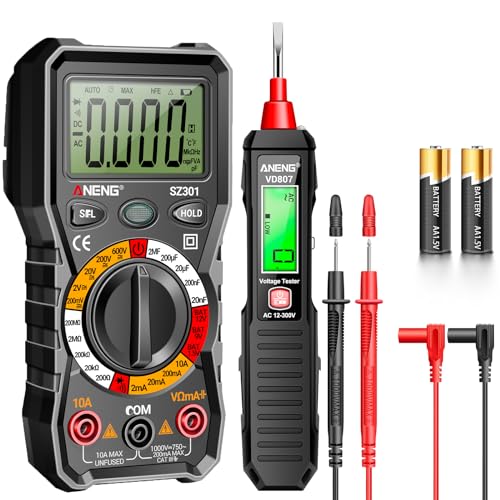
Versatility:ANENG SZ301 multi meter is a highly adaptable electronic tool that can be used to measure a wide range of electrical properties, including AC/DC voltage, current, resistance,continuity,diode and Live wire.VD807 Pen Tester It not only the voltage test pens, it is the newly updated mini professional electrical tools with LCD Display and Flashlight, can be suitable for electrical equipment testing,Christmas tree light tester and maintenance.Perfect for dark corners.

►►The DG47-00068A heating element features an internal resistance wire, magnesium oxide powder coating, a 304 stainless steel shell, insulating filler, and end insulation. This range broil element boasts a long lifespan, rapid heating, high efficiency, and excellent resistance to oxidation and corrosion, making it suitable for high-temperature oven environments. Voltage/Power: Designed for AC 240V drive. The DG47-00068A has a wire terminal at each end for connecting to the oven's internal wiring harness, facilitating installation and removal. Ensure good contact between the terminals and the oven's power socket during wiring.
Samsung Stove Component Replacement Guide
When dealing with a malfunctioning Samsung stove, understanding the specific components that may need replacement is crucial for effective repair. This guide provides detailed insights into identifying faulty parts and the steps necessary for their replacement, ensuring your stove operates efficiently once again. Whether you’re a DIY enthusiast or seeking professional help, this information will streamline the diagnostic process.
If specific components are found to be faulty during the diagnostic process, replacing them is essential for restoring functionality. Common components that may need replacement include:
Control Board: If damaged, this is often the primary suspect.
Temperature Sensor: A malfunctioning sensor can lead to incorrect readings and performance issues.
Wiring Harness: If frayed or damaged, replacing the wiring harness can resolve connectivity issues.
Recommended Products

Samsung DE92-02588G Range Oven Main Control Board + Clock monitors the oven temperature and controls the oven heating functions in the range, and includes the digital display for the time and temperature settings

The DG94-04041B Oven Control Board is a genuine Original Equipment Manufacturer (Authentic OEM) part from Samsung that fits various models from the following brands of ranges: Samsung

[Precise Compatibility]: DE07-00129A Range LED Display Board Designed specifically for Samsung Electric Range models NE59J7630SW/AA, NE59J7630SS/AC, NE59J7630SS/AA, NE59J7630SG/AA, NE59J7630SB/AA for precise compatibility
Maintain Your Samsung Stove
Maintaining your Samsung stove is essential for optimal performance and longevity. Regular checks and timely repairs can prevent minor issues from escalating into major problems. Understanding the key maintenance practices will help ensure your stove operates efficiently and safely throughout its lifespan.
Regular maintenance can help prevent future issues with your Samsung stove. Consider the following tips:
Clean the stove regularly to prevent buildup that can affect performance.
Check connections periodically to ensure they remain secure.
Inspect for wear on components, especially after heavy use.
Regular maintenance can extend the life of your stove and reduce the likelihood of needing repairs.
Samsung Stove Final Functionality Assessment
After completing the necessary repairs on your Samsung stove, it’s essential to conduct a final functionality assessment. This step ensures that all components are operating correctly and that the stove meets safety standards. A thorough evaluation will help identify any lingering issues before the appliance is put back into regular use.
After completing the repairs, conduct a final diagnostic check to ensure everything functions as expected. Monitor the stove for any signs of malfunction, and verify that all components are operating correctly.
This proactive approach can help identify any lingering issues before they escalate into more significant problems.

Hey, I’m Jake. I focus on cooling systems at Appliance Mastery, like fridges, freezers, and air conditioners.
I’ve worked in appliance repair for more than ten years and I’m certified through NASTeC. I’ve seen just about every fridge issue you can imagine.
My goal is to help you fix problems without stress. Whether it’s a freezer that won’t cool or an AC that keeps beeping, I’m here to walk you through it.