
Ever wondered if your trusty AC unit has a secret water habit? Picture this: it’s a scorching summer day, and your AC is working overtime. You start to hear a faint dripping sound. Could it be using water to keep you cool? In this article, we’ll dive into the mystery of whether ACs actually use water and what it means for you. Get ready to uncover the truth behind this common HVAC conundrum!
Exploring the Inner Workings of an AC Unit
Ever wondered how your AC unit works its magic to keep you cool on scorching hot days? Let’s dive into the inner mechanisms that make it all possible.
- Evaporator Coil: This crucial component is where the magic happens. It cools the air by extracting heat from it.
- Refrigerant: The refrigerant within the system absorbs the heat from the air, changing from a liquid to a gas in the process.
- Condenser Coil: Once the refrigerant absorbs the heat, the hot gas is pumped to the condenser coil where it releases the heat to the outside air.
- Drain Pan: As the warm air hits the evaporator coil, moisture in the air condenses and collects in the drain pan.
Worried about water usage in your AC unit? While it does produce condensation, this water is typically drained from the unit through a pipe, so there’s no need to refill it.
Considering these inner workings, it’s remarkable how your trusty AC unit keeps you comfortable through the dog days of summer.
Understanding the Refrigeration Process
In air conditioning systems, the refrigeration process plays a crucial role in cooling your space efficiently. Here’s a simplified breakdown of how this process works:
- The refrigerant in your AC system absorbs heat from indoor air through the evaporator coil.
- As the warm air moves over the coil, the refrigerant evaporates, turning it from a liquid to a gas.
- The heat energy from the air is transferred to the refrigerant, cooling the indoor air.
In the next stage:
- The refrigerant, now in its gaseous state, moves to the condenser coil located outside.
- Here, the refrigerant releases the absorbed heat to the outdoor air, causing it to condense back into a liquid.
This continuous cycle allows your AC unit to remove heat from inside your home and release it outside, helping to maintain a comfortable indoor temperature.
Condensation: The Role of Water in Cooling
When it comes to air conditioning systems, condensation plays a crucial role in the cooling process. Here’s how it works:
- Condensation: As warm air is drawn into the AC unit, it passes over the evaporator coil. This coil contains a cold refrigerant that causes moisture in the air to condense into liquid water droplets.
- Drainage: The liquid water droplets then flow into a condensate pan located beneath the coil. From there, the water is drained out of your home through a pipe or tube.
- Humidity Control: In addition to cooling the air, this process also helps in dehumidifying your home. The removal of excess moisture is essential for maintaining a comfortable indoor environment.
| Aspect | Data |
|---|---|
| Condensation Rate | 2-5 gallons per day |
| Typical Drainage Path | Drainpipe or tube leading outside |
Understanding the role of water in the condensation process of your AC system sheds light on how it efficiently cools and dehumidifies your living spaces.
Recommended Products

Air Conditioner Drip Pan: The catch pan is made of 0.8mm thick 304 stainless steel, which is known for its durability and long service life, compared to ordinary iron drip trays, this material has superior sturdiness, It can endure daily use under appliances like water heaters and washers, resisting wear and tear for long - lasting performanceperformance

PLASTIC DRAIN PAN: Ideal for collecting condensate from cooling and evaporator coils, designed to safeguard indoor environments from potential damage caused by overflow from HVAC equipment drain pans

PLASTIC DRAIN PAN: Ideal for collecting condensate from cooling and evaporator coils, designed to safeguard indoor environments from potential damage caused by overflow from HVAC equipment drain pans
Myth vs. Reality: Does an AC Unit Actually Use Water?
When it comes to air conditioning systems, there is a common misconception about water usage. Let’s delve into the myth versus reality to clear up any confusion:
Recommended Products

CLEARS AC DRAIN LINE CLOGS IN SECONDS - This AC drain line cleaner tool connects to any standard garden hose and uses real water pressure to flush slime, sludge, and debris out of your condensate drain line before it backs up your drain pan. Turn the red valve, connect the hose, and the clog washes out. No refills, no tablets, no harsh chemicals, no shop vac required.

𝐈𝐍𝐒𝐓𝐀𝐍𝐓 𝐂𝐋𝐎𝐆 𝐑𝐄𝐌𝐎𝐕𝐀𝐋: Effectively clears slime, mold, and dirt plugs from primary and secondary drain lines. Acting as a powerful AC drain line unclogger tool, it utilizes high-volume pneumatic pressure to blast through blockages without the need for heavy nitrogen tanks, expensive gas cartridges, or electricity.
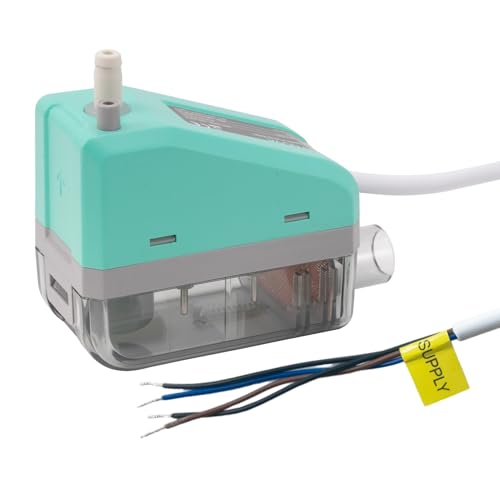
One-Piece Pump & Reservoir Design: The WATNOVA W5C features an integrated pump and reservoir in one compact unit, eliminating external connecting tubes between components. This simplified design reduces installation complexity and improves reliability for mini split air conditioner drainage systems.
Myth: AC Units Consume Water to Cool the Air
You might have heard that air conditioners consume water as part of their cooling process. However, this is not entirely accurate. AC units do not use water for cooling in the way that a fan uses water for misting to provide a cool breeze.
Reality: Condensation is Key
The truth lies in the process of condensation. As warm air flows over the evaporator coil in your AC unit, the cold refrigerant inside causes moisture in the air to condense into liquid droplets. This condensed water is collected in a condensate pan and drained out of your home, aiding in dehumidification.
Understanding the Process
By grasping the role of condensation in air conditioning systems, you can appreciate how water is a byproduct rather than a primary resource for cooling. This understanding can help you troubleshoot issues like leaks or drainage blockages, ensuring your AC runs efficiently.
Remember, while AC units produce water as a result of the cooling process, they do not consume water as part of their operation. This distinction is crucial for maintaining a well-functioning system and maximizing its performance.
Keep reading to uncover more insights into the world of air conditioning and how water plays a pivotal role in the cooling and dehumidification process.
Implications for AC Maintenance and Efficiency
When it comes to maintaining your AC system, understanding that AC units do not consume water is key. Here are some implications to consider for maintaining optimal performance and efficiency:
- Regular Inspections: Check for leaks and drainage blockages to prevent issues.
- Cleaning: Keep the condensate drain line clear of debris to ensure proper water drainage.
- Professional Maintenance: Schedule routine maintenance with a qualified technician to keep your AC system running smoothly.
- Efficiency: By knowing how your AC system operates, you can ensure it runs efficiently, saving you money on energy bills in the long run.
Remember, a well-maintained AC system not only provides you with comfort but also helps extend the lifespan of your unit.
Recommended Products
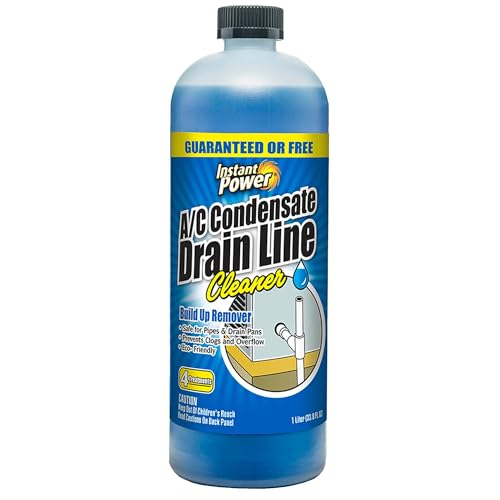
CLEARS CLOGGED DRAIN LINES - Instant Power AC condensate drain line cleaner removes buildup of sludge and debris that block your air conditioner’s drain line

CHECK BEFORE YOU BUY: EZVAC's universal base is designed to fit multiple HVAC sizes. The custom black elbow ONLY fits a 1-inch opening and is ribbed for easy grip. Please make sure your drain line has a 1-inch opening before ordering

The clear section of the Vacuum cleaner attachment is the game changer. It allows you to see the debris being removed from the AC condensate line and when the line or water is clear.
Conclusion
Understanding how air conditioning systems utilize condensation for cooling and dehumidification, rather than consuming water, is key to maintaining your AC unit effectively. By prioritizing regular inspections, cleaning the condensate drain line, and scheduling professional maintenance, you can enhance your system’s efficiency and longevity. Taking these steps not only ensures your comfort but also helps you save on energy costs in the long run. Remember, a well-maintained AC system is a reliable investment in your home’s climate control and your overall well-being.
Frequently Asked Questions
Do air conditioning systems use water for cooling?
No, air conditioning systems do not use water for cooling. They rely on condensation to cool and dehumidify the air, not water consumption.
How can understanding this help with AC maintenance?
Understanding this can help troubleshoot leaks and drainage issues. It highlights the importance of regular inspections, cleaning the condensate drain line, and scheduling professional maintenance for efficient operation.
Why is maintaining the AC system important?
Regular maintenance ensures optimal efficiency, lower energy bills, and a longer lifespan for the AC unit. It also contributes to maintaining a comfortable indoor environment.

Hi, I’m Charlie, and I cover all things laundry here at Appliance Mastery.
I’ve spent over eight years working on washing machines, dryers, and dishwashers. I also have a degree in mechanical engineering, which helps me understand how these appliances really work.
I try to make every guide clear and practical. If you’re stuck with a noisy dryer or a leaking washer, I’ll help you figure out what’s wrong and how to fix it.