
Electrolux split system fault codes indicate specific issues that require professional HVAC assistance. Understanding these codes allows for quicker diagnosis and effective repairs, minimizing downtime and discomfort.
Electrolux Split System Fault Code Guide
Understanding the fault codes of Electrolux split systems is essential for diagnosing and resolving issues efficiently. This guide provides a comprehensive overview of common fault codes, helping both technicians and homeowners identify problems quickly. By familiarizing yourself with these codes, you can streamline the troubleshooting process and ensure optimal performance of your HVAC system.
Electrolux split systems utilize fault codes to indicate operational issues. These codes help technicians identify problems quickly, thus reducing repair time. Familiarity with common fault codes can empower users to take proactive steps in maintenance or repairs.
Electrolux Split System Fault Code Guide
Understanding the fault codes for Electrolux split systems is essential for diagnosing and addressing common issues that may arise. This guide provides a comprehensive overview of the various fault codes, helping both technicians and homeowners identify problems quickly and accurately. Familiarizing yourself with these codes can streamline the repair process and enhance the overall efficiency of your HVAC system.
Fault codes are typically alphanumeric and correspond to specific issues within the system. Here are a few common codes:
| Fault Code | Description | Likely Cause |
|---|---|---|
| E1 | Indoor unit communication error | Wiring issue or faulty PCB |
| E2 | Outdoor unit temperature sensor failure | Sensor malfunction or wiring issue |
| E3 | Indoor temperature sensor failure | Sensor malfunction or wiring issue |
| E4 | High-pressure protection | Blocked airflow or refrigerant overcharge |
Understanding these codes can help in troubleshooting before contacting a professional.
Fault Code Diagnostic Procedures
Understanding fault codes is essential for diagnosing issues in Electrolux split systems. This section outlines the diagnostic procedures that HVAC professionals can use to interpret these codes effectively, ensuring accurate troubleshooting and efficient repairs. By following these guidelines, technicians can quickly identify problems and restore optimal system performance.
When a fault code appears, follow these diagnostic steps to determine the issue:
Identify the Fault Code
Check the display on the indoor unit for the fault code.Refer to the Manual
Consult the Electrolux manual for specific code definitions.Inspect Electrical Connections
Check wiring for damage or loose connections.Examine Sensors
Test temperature sensors for proper functionality.Check Refrigerant Levels
Ensure refrigerant levels are within manufacturer specifications.Contact a Professional
If the issue persists after these checks, seek professional help.
Essential Tools for HVAC Diagnostics
When diagnosing issues with Electrolux split systems, having the right tools is crucial for accurate assessments and effective repairs. This section outlines the essential instruments that HVAC professionals rely on to troubleshoot fault codes and ensure optimal performance of these systems. Understanding these tools can enhance both efficiency and precision in the diagnostic process.
Having the right tools can simplify the diagnostic process. Here’s a checklist of essential tools:
| Tool | Purpose |
|---|---|
| Multimeter | Test electrical connections |
| Screwdriver set | Access internal components |
| Refrigerant gauge | Check refrigerant levels |
| Thermometer | Measure temperature accurately |
These tools will aid in identifying issues more efficiently.
Electrolux Split System Fault Code Solutions
Understanding the fault codes for Electrolux split systems is essential for effective troubleshooting and repair. This section outlines common fault codes encountered in these systems, providing clear solutions to help HVAC professionals address issues efficiently. By familiarizing yourself with these codes, you can enhance your service capabilities and ensure optimal performance of Electrolux systems.
Many common issues can lead to fault codes. Here are a few along with their fixes:
Communication Errors
Fix: Inspect wiring and connectors for damage.Sensor Failures
Fix: Replace faulty sensors and ensure proper installation.Pressure Protection
Fix: Clear any blockages in airflow and check refrigerant levels.
HVAC Technician Engagement and Costs
Understanding the engagement of HVAC technicians and the associated costs is crucial when addressing Electrolux split system fault codes. This section delves into the factors that influence technician fees, the types of services offered, and how to effectively communicate your system’s issues to ensure efficient and accurate repairs.
Engaging a professional HVAC technician is often necessary for complex issues. Here are some cost considerations:
| Service | Estimated Cost |
|---|---|
| Diagnostic Fee | $75 – $150 |
| Sensor Replacement | $100 – $200 |
| Wiring Repair | $150 – $300 |
| Full System Check | $200 – $500 |
Understanding these costs can help in budgeting for repairs.
HVAC Maintenance Strategies for Fault Prevention
Regular maintenance is crucial for preventing faults in Electrolux split systems. By implementing effective HVAC maintenance strategies, homeowners can extend the lifespan of their units and reduce the likelihood of costly repairs. This section outlines practical steps to ensure optimal performance and reliability of your heating and cooling systems.
Regular maintenance can prevent fault codes from appearing. Consider these tips:
Schedule Annual Inspections
Have a technician inspect the system yearly.Clean Filters Regularly
Replace or clean filters every few months to ensure airflow.Monitor Refrigerant Levels
Regular checks can prevent pressure-related issues.Inspect Ductwork
Ensure ducts are sealed and free of obstructions.
Following these maintenance tips can extend the life of your Electrolux system.
Risks of Unqualified HVAC Repairs
Unqualified HVAC repairs can lead to a range of risks, including safety hazards, increased energy costs, and further damage to the system. When inexperienced technicians attempt repairs, they may overlook critical issues or implement improper fixes, resulting in more extensive problems down the line. Understanding these risks is essential for homeowners seeking reliable and effective HVAC solutions.
Attempting complex repairs without proper knowledge can lead to further damage. Always consult a professional for repairs beyond basic maintenance.
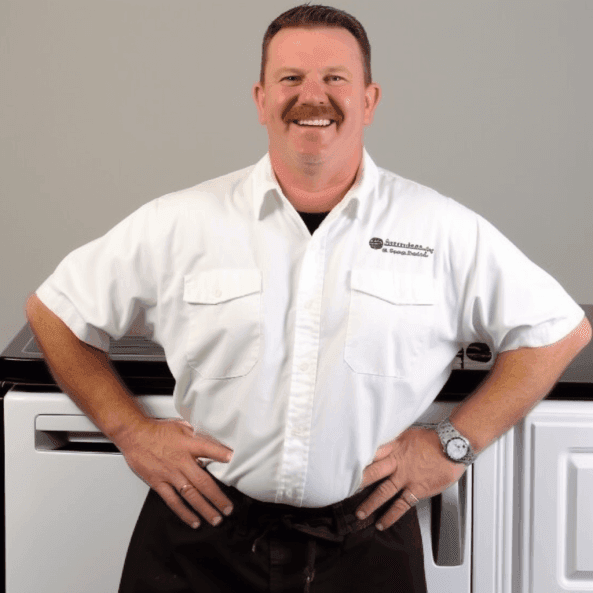
Hey, I’m Jake. I focus on cooling systems at Appliance Mastery, like fridges, freezers, and air conditioners.
I’ve worked in appliance repair for more than ten years and I’m certified through NASTeC. I’ve seen just about every fridge issue you can imagine.
My goal is to help you fix problems without stress. Whether it’s a freezer that won’t cool or an AC that keeps beeping, I’m here to walk you through it.