
When an Electrolux dishwasher has power but won’t start, the issue often lies in a faulty door latch or a malfunctioning control panel. Troubleshooting these components can help restore functionality without the need for professional service.
Electrolux Dishwasher Issue Diagnosis Guide
When your Electrolux dishwasher shows signs of power but refuses to start, it can be frustrating and confusing. This guide will help you diagnose common issues that may be preventing your appliance from functioning properly, allowing you to troubleshoot effectively and restore your dishwasher to working order.
Identifying the issue with your Electrolux dishwasher can be simplified with a quick diagnostic table. This table outlines common symptoms, their primary suspects, and the difficulty level for DIY repairs.
| Symptom | Primary Suspect | Difficulty (1-5) |
|---|---|---|
| Dishwasher won’t start | Faulty door latch | 2 |
| Control panel unresponsive | Malfunctioning control panel | 3 |
| Error codes displayed | Wiring issues | 4 |
| No water filling | Clogged inlet valve | 3 |
Common Reasons for Dishwasher Startup Failures
When your Electrolux dishwasher shows signs of power but refuses to start, it can be frustrating. Understanding the common reasons behind these startup failures is crucial for effective troubleshooting. This section delves into the typical issues that may prevent your dishwasher from initiating its cycle, helping you identify the root cause.
A dishwasher that won’t start despite having power can stem from various root causes. The most common issues include:
Faulty door latch: If the door latch is broken or misaligned, the dishwasher will not start as a safety precaution.
Control panel failure: A malfunctioning control panel can prevent the dishwasher from receiving the start command.
Wiring problems: Damaged or corroded wiring can interrupt the electrical flow necessary for operation.
Each of these issues requires a different approach for diagnosis and repair.
Step-by-Step Fix for Electrolux Dishwasher
If your Electrolux dishwasher shows signs of power but refuses to start, it can be frustrating. This guide provides a detailed, step-by-step approach to diagnosing and resolving common issues that may be preventing your appliance from functioning properly. Follow these instructions to troubleshoot effectively and restore your dishwasher to working order.
To resolve the issue, follow these steps to diagnose and fix the problem with your Electrolux dishwasher.
Inspect the door latch
Open the dishwasher door.
Check for any visible damage or misalignment.
Replace the door latch if it appears faulty.
Test the control panel
Turn off the dishwasher and unplug it.
Remove the control panel cover.
Inspect for any burnt components or loose connections.
Replace the control panel if necessary.
Check the wiring
Use a multimeter to test the wiring for continuity.
Look for any signs of corrosion or damage.
Repair or replace any damaged wiring.
Examine the inlet valve
Ensure the inlet valve is not clogged.
Remove any debris that may be obstructing water flow.
Replace the valve if it is defective.
Electrolux Dishwasher Error Code Insights
Understanding the error codes displayed by your Electrolux dishwasher is crucial for diagnosing why it won’t start despite having power. These codes can provide specific insights into underlying issues, helping you pinpoint the problem efficiently. By interpreting these signals, you can take the necessary steps toward resolving the malfunction.
Error codes can provide insight into specific issues your dishwasher may be experiencing. Common error codes include:
E1: Indicates a water supply issue.
E2: Signals a heating element failure.
E3: Suggests a temperature sensor problem.
To troubleshoot, consult the user manual for your specific model to decode the error and follow the recommended actions.
Electrolux Dishwasher Maintenance Strategies
Proper maintenance is essential for ensuring your Electrolux dishwasher operates efficiently and reliably. By implementing effective maintenance strategies, you can prevent common issues that may lead to startup problems, even when the appliance has power. This section will explore practical steps to keep your dishwasher in top condition and minimize the risk of future malfunctions.
Regular maintenance can prevent many issues that lead to a dishwasher not starting. Implement these tips:
Clean the filter: Regularly remove and clean the filter to prevent clogs.
Inspect the spray arms: Ensure they are free of debris for proper water distribution.
Check seals and gaskets: Inspect for wear and tear to maintain a proper seal.
DIY Repair Safety Precautions
When tackling a DIY repair on your Electrolux dishwasher, safety should be your top priority. Understanding the potential hazards involved in working with electrical appliances is crucial for preventing accidents. This section outlines essential safety precautions to ensure a secure and effective troubleshooting experience.
Always ensure the dishwasher is unplugged before attempting any repairs. Failure to do so can lead to electric shock or further damage to the appliance.
Professional Diagnosis for Electrolux Dishwasher Issues
When your Electrolux dishwasher shows signs of power but refuses to start, it can be frustrating. Understanding the potential causes of this issue is crucial for effective troubleshooting. This section delves into professional diagnostic steps to help identify and resolve the underlying problems affecting your appliance’s performance.
If troubleshooting does not resolve the issue, consult a professional technician. They can perform advanced diagnostics and repairs that may be beyond basic DIY capabilities.
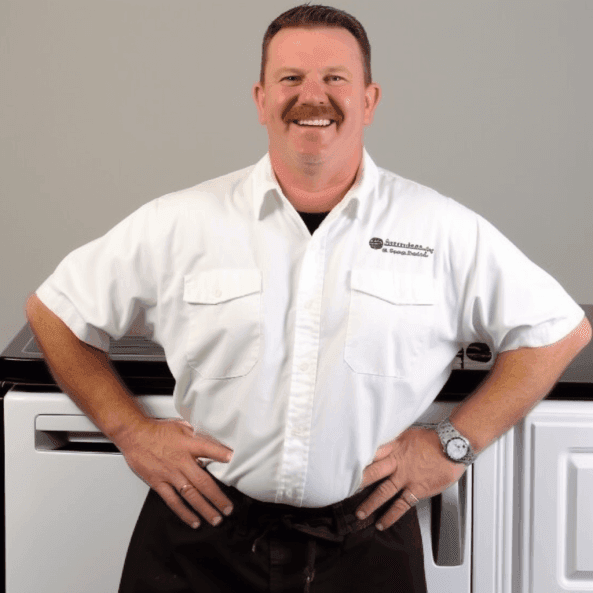
Hey, I’m Jake. I focus on cooling systems at Appliance Mastery, like fridges, freezers, and air conditioners.
I’ve worked in appliance repair for more than ten years and I’m certified through NASTeC. I’ve seen just about every fridge issue you can imagine.
My goal is to help you fix problems without stress. Whether it’s a freezer that won’t cool or an AC that keeps beeping, I’m here to walk you through it.