
A Bosch washing machine making a grinding noise often indicates worn bearings that require immediate attention. Fixing the bearings can restore normal operation and prevent further damage to the machine.
Bosch Washing Machine Grinding Noise Signs
A grinding noise from your Bosch washing machine can manifest during various cycles, especially during the spin cycle. This noise typically originates from the drum area and can be accompanied by vibrations or an unbalanced load. Identifying the noise early can prevent more extensive damage and costly repairs.
| Symptom | Primary Suspect | Difficulty |
|---|---|---|
| Grinding noise during spin | Worn bearings | 3 |
| Vibration during wash | Loose drum | 2 |
| Unusual sounds when agitating | Damaged drive belt | 4 |
Bosch Washing Machine Grinding Noise Causes
If your Bosch washing machine is emitting a grinding noise, it’s essential to identify the underlying causes to prevent further damage. This section explores the common reasons behind this issue, including worn bearings, foreign objects, and other mechanical failures that can disrupt the machine’s operation. Understanding these causes will help you diagnose the problem effectively.
The primary cause of a grinding noise in Bosch washing machines is worn or damaged bearings. Bearings support the drum’s rotation, and when they wear down, they can create friction, leading to grinding sounds. Other potential issues include:
Debris caught in the drum or pump
Loose components within the machine
Worn drive belt that may slip or grind against other parts
Addressing these root causes promptly can save you from more extensive repairs.
Essential Tools for Bosch Bearing Repair
When addressing a grinding noise in your Bosch washing machine, identifying the necessary tools for bearing repair is crucial. Having the right equipment on hand will streamline the repair process and ensure that you can effectively tackle the issue. This section outlines the essential tools you’ll need to successfully complete the bearing replacement.
Before starting the repair, ensure you have all necessary tools and supplies. This preparation can streamline the process and minimize downtime.
Recommended Products

Made of quality metal and rubber handle, durable.

The 00619808 is a genuine OEM Bosch Tub Bearing Kit.
✅REPLACES - W10447783 2119011, 2118925, W10435274, W10435285 Etc.
Bosch Bearing Repair Tool Requirements
When addressing a grinding noise in your Bosch washing machine, identifying the right tools for bearing repair is essential. Proper equipment not only facilitates the repair process but also ensures that the job is done efficiently and effectively. This section outlines the specific tools you will need to successfully tackle the bearing issue.
Socket set for removing screws
Screwdriver set for accessing internal components
Pliers for gripping and pulling
Bearing puller for removing old bearings
Bosch Washing Machine Bearing Replacement Parts
When a Bosch washing machine begins to make a grinding noise, it often indicates an issue with the bearings. Understanding the specific replacement parts needed for this repair is crucial for restoring the machine’s functionality. This section will detail the essential components required for a successful bearing replacement.
Replacement bearings specific to your Bosch model
Grease for lubrication
Sealant to prevent leaks
Bosch Washing Machine Bearing Repair Steps
If your Bosch washing machine is making a grinding noise, it may indicate a problem with the bearings. Addressing this issue promptly is essential to prevent further damage and ensure optimal performance. The following steps will guide you through the process of diagnosing and repairing the bearings effectively.
Repairing the bearings in your Bosch washing machine requires careful steps. Follow this guide to ensure a successful repair.
Unplug the washing machine to ensure safety.
Remove the back panel using a socket set to access the drum assembly.
Inspect the bearings for wear or damage.
Use a bearing puller to remove the old bearings carefully.
Clean the bearing housing to remove debris and old grease.
Install new bearings by pressing them into place firmly.
Apply grease to the new bearings for smooth operation.
Reassemble the washing machine by replacing the back panel and securing it with screws.
Plug in the machine and run a test cycle to ensure the noise is gone.
Recommended Products

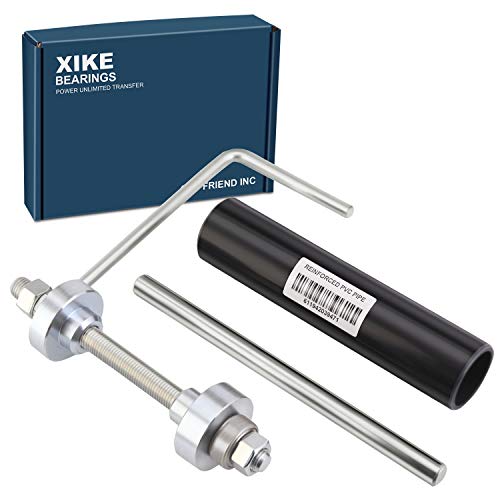
Premium Quality: Crafted from durable carbon steel with a black oxide finish, our inner bearing puller is heat-treated for exceptional strength and longevity. The corrosion-resistant coating ensures optimal performance and protection.

1. VERSATILE BEARING PULLER: This Orion Motor Tech bearing puller set enables you to complete a wide range of pulling jobs, ideal for removing large or small bearings on front and rear wheel hub axle shafts, as well as gears, pulleys, and steering wheels

ATTACHMENT ONLY – SLIDE HAMMER REQUIRED Designed to remove pilot bearings when used with a compatible slide hammer and correct thread rod size. Not a universal puller or standalone tool.
Bosch Grinding Noise Troubleshooting Steps
If your Bosch washing machine is making a grinding noise, it can indicate a serious issue, often related to the bearings. Identifying and addressing the source of this noise promptly is crucial to prevent further damage. The following troubleshooting steps will guide you through diagnosing the problem effectively.
While bearing repair is crucial, other issues may also contribute to grinding noises. Consider these additional troubleshooting steps.
Recommended Products

REPLACEMENT PART: Washing Tub Seal (4036ER2004A), Tub Seal Gasket (4036ER4001B), Large Bearing (4280FR4048L), Small Bearing (4280FR4048E) fit for Kenmore / Sears, LG. Quiets an extremely noisy washer.

【SILENCE THE JET ENGINE】 Say goodbye to deafening noise, violent shaking, and frustrating leaks. This premium tub bearing and seal rebuild kit is engineered to restore your Samsung front-load washer to "factory quiet" smooth operation in just one afternoon.

Product dimensions: Bearing 6205 ZZ dimensions are 25x52x15mm, bearing 6206 ZZ dimensions are 30x62x16mm, shaft seal dimensions are 35x62x10mm, Manual measurements, please allow slight errors.
Bosch Washing Machine Drum Debris Inspection
A grinding noise from your Bosch washing machine can indicate issues with the drum bearings, often exacerbated by debris accumulation. Inspecting the drum for foreign objects is crucial in diagnosing the problem, as these items can lead to further damage if not addressed promptly. This section will guide you through the steps to effectively check for debris in the drum.
Inspect the drum and pump area for any foreign objects. Items like coins or small clothing pieces can cause grinding noises. Remove any debris found.
Bosch Washing Machine Drive Belt Inspection
When a Bosch washing machine starts making a grinding noise, one potential culprit is the drive belt. Inspecting this component is crucial, as wear or damage can lead to performance issues and further complications. Understanding how to assess the drive belt can help in diagnosing the problem effectively.
A worn or damaged drive belt can also create grinding sounds. Check the belt for signs of wear or fraying. If necessary, replace the drive belt to eliminate the noise.
Bosch Washing Machine Drum Balance Check
A Bosch washing machine making a grinding noise often indicates issues with the drum’s balance. Checking the drum balance is a crucial diagnostic step to identify whether misalignment or worn bearings are contributing to the problem. Proper assessment can help determine the necessary repairs to restore smooth operation.
An unbalanced drum can lead to excessive vibrations and grinding noises. Ensure the load is evenly distributed in the drum. Adjust the load if necessary.
Bosch Washing Machine Repair Risks
Repairing a Bosch washing machine that is making a grinding noise can involve several risks that homeowners should be aware of. From potential damage to internal components to safety hazards during the repair process, understanding these risks is crucial for anyone considering a DIY approach. This section will outline the key concerns associated with bearing repairs in Bosch washing machines.
Attempting to repair your Bosch washing machine without proper knowledge can lead to further damage. If you are unsure about any step, consult a professional technician.
Bosch Washing Machine Bearing Maintenance Tips
When a Bosch washing machine produces a grinding noise, it often indicates a problem with the bearings. Proper maintenance of these components is crucial to ensure smooth operation and prevent further damage. Here are some essential tips to help you maintain and repair the bearings effectively.
Regular maintenance can prevent future issues with your Bosch washing machine. Schedule periodic checks to ensure the bearings and other components are in good condition. This proactive approach can extend the lifespan of your appliance and maintain its efficiency.

Hey, I’m Jake. I focus on cooling systems at Appliance Mastery, like fridges, freezers, and air conditioners.
I’ve worked in appliance repair for more than ten years and I’m certified through NASTeC. I’ve seen just about every fridge issue you can imagine.
My goal is to help you fix problems without stress. Whether it’s a freezer that won’t cool or an AC that keeps beeping, I’m here to walk you through it.