
Components of a Dishwasher Drain
When it comes to understanding how a dishwasher drain works, knowing the key components is essential. Let’s dive into the parts of a dishwasher drain system:
- Drain Pump: Pushes water out of the dishwasher.
- Drain Hose: Transports the wastewater to the sink’s plumbing.
- Sink Connector: Connects the drain hose to the plumbing under the sink.
- Check Valve: Prevents water from flowing back into the dishwasher.
These components work together seamlessly to ensure that your dishwasher drains efficiently after each cycle.
Recommended Products
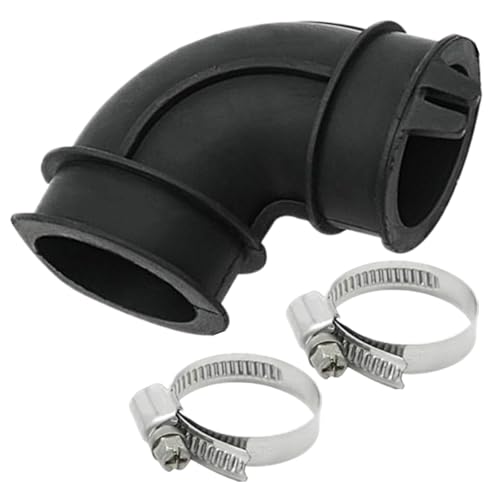
Compatible With: This WD24X33918 elbow hose fits select GE dishwasher models. Not all models are listed—please confirm compatibility before purchasing or contact us with your model number for support.
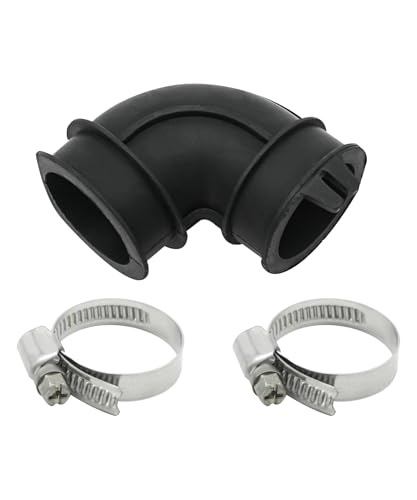
Package Contents:You will get 1*WD24X33918 Dishwasher Elbow Hose and Clamps Kit(Includes Two Clamps).Replace Part Number WD24X33918

Premium Material: Made of high performance polyethylene, this drain hose has excellent corrosion resistance, easy to bend, light weight, weather resistant.
Working Mechanism of a Dishwasher Drain
In a dishwasher, the drain system plays a crucial role in ensuring efficient water removal post-cleaning.
Draining Process:
- After a cycle completes, the drain pump activates, pushing water through the drain hose.
- The water then flows through the sink connector before reaching the check valve.
- The check valve prevents water from returning to the dishwasher, maintaining a one-way flow.
Key Components:
- Drain Pump: Initiates the water expulsion process.
- Drain Hose: Conducts water from the dishwasher.
- Sink Connector: Directs water towards the drainage system.
- Check Valve: Maintains the direction of water flow.
Maintenance Tips:
- Regularly inspect the drain to ensure unobstructed water flow.
- Clean the drain filter to prevent clogs.
- Run a cleaning cycle periodically to maintain the drain system’s efficiency.
Common Issues:
- Clogs in the drain hose or pump.
- Faulty check valve causing improper drainage.
- Build-up in the drain system leading to inefficient performance.
Resolve Drainage Problems:
- Inspect for clogs and remove debris.
- Check the check valve for proper functioning.
- Consult a professional for persistent issues.
Summary:
Understanding how a dishwasher drain works is crucial for ensuring smooth operations and effective cleaning of your dishes.
Importance of Proper Drain Maintenance
Proper maintenance of your dishwasher drain is crucial for efficient dish cleaning and preventing costly repairs. Neglecting drain maintenance can lead to clogs, foul odors, and inefficient water drainage. To keep your dishwasher running smoothly, here are some key maintenance tips:
- Regularly inspect for clogs: Check the drain filter, drain hose, and pump for any debris that may be obstructing the flow of water.
- Clean the drain filter: Remove and clean the filter at least once a month to prevent the build-up of food particles and residue.
- Run cleaning cycles: Periodically run a cleaning cycle with a dishwasher cleaner to keep the drain system free from grease and mineral deposits.
- Check the check valve: Ensure the check valve is working properly to maintain a one-way flow of water and prevent backflow.
By following these maintenance practices, you can prolong the lifespan of your dishwasher, improve its performance, and avoid potential drainage issues. Remember, a well-maintained drain system is key to a hassle-free dishwashing experience.
Recommended Products

DEEP CLEANS INNER PARTS: Finish Liquid Dishwasher Cleaner targets hidden grease, hardwater buildups, and limescale in spray arms, filter, and pipes for a hygienic clean.

DEEP CLEANS INNER PARTS: Finish Liquid Dishwasher Cleaner targets hidden grease, hardwater buildups, and limescale in spray arms, filter, and pipes for a hygienic clean.

Designed for Dishwasher Cleaning & Maintenance: Helps clean the inside of the dishwasher, including the tub, filter, spray arms, and drain where buildup can collect over time
Troubleshooting Common Dishwasher Drain Issues
When your dishwasher drain malfunctions, it can disrupt your daily routine. Here are some common issues you might encounter and how to troubleshoot them:
Recommended Products

HELPS POWER AWAY SMELLS created by odor causing bacteria, foggy limescale and mineral deposits hiding deep inside the dishwasher’s pump, filter, tub, valve, drain, washer arms and recirculation hoses to help optimize appliance performance.

Wide Compatibility - ACTIVE Dishwasher Cleaner is suitable for Most Residential or Commercial Automatic Dishwashing Units. Compatible with GE, Bosch, Frigidaire, LG, Samsung, Whirlpool, Kitchenaid, Kenmore, Maytag, Amana models, all styles including plastic & stainless steel. To ensure proper cleaning, we recommend to monitor your dishwasher during cycle. If you see any foam or water leaking from the machine, stop dishwasher and allow foam and water to drain before continuing

DEEP CLEANS INNER PARTS: Finish Dishwasher Cleaner Tablets target hidden grease, hardwater buildups, and grime in spray arms, filter, and pipes for a hygienic clean.
Slow Draining
If you notice water pooling at the bottom of your dishwasher or slow drainage, it could indicate a clog. About 85% of drainage issues are caused by clogs. To address this, check the drain filter and remove any debris that may be blocking the flow. Regularly cleaning the filter can prevent future clogs.
Foul Odors
Unpleasant odors emanating from your dishwasher are often a result of trapped food particles in the drain. 82% of odors can be eliminated by cleaning the drain and filter regularly. Consider running a cleaning cycle with a dishwasher cleaner to eliminate residue and keep your dishwasher smelling fresh.
Backed-Up Water
If water is backing up into the sink when the dishwasher is running, the issue may lie with the check valve. A faulty check valve can prevent proper drainage, leading to backups. Check the valve for any obstructions or damage, and replace it if necessary to restore proper drainage.
Noisy Operation
A noisy dishwasher could indicate a problem with the drain pump. Over 70% of noise issues are related to the drain pump. Inspect the pump for any debris or obstructions that may be causing the noise. Cleaning or replacing the pump can help restore quiet operation to your dishwasher.
By addressing these common dishwasher drain issues promptly, you can ensure efficient operation and prolong the lifespan of your appliance.
Conclusion
Maintaining your dishwasher drain system is crucial for optimal performance and longevity. By following the maintenance tips provided in this article, you can prevent common issues like clogs, odors, and drainage problems. Regularly checking for clogs, cleaning the filter, and running cleaning cycles will help keep your dishwasher running smoothly. Remember to address any issues promptly to avoid costly repairs and ensure your dishwasher continues to work efficiently. With proper care and attention, you can enjoy clean dishes and a well-functioning dishwasher for years to come.
Frequently Asked Questions
Why is proper maintenance of a dishwasher drain system important?
Proper maintenance of a dishwasher drain system is crucial to ensure efficient dish cleaning, prevent costly repairs, and address common issues like clogs, odors, and poor drainage.
What are some key maintenance tips for a dishwasher drain system?
Regularly inspect for clogs, clean the drain filter monthly, run cleaning cycles with dishwasher cleaner, and check the check valve for proper function to maintain a healthy dishwasher drain system.
What are some common issues with a dishwasher drain system?
Common issues include slow draining, foul odors, backed-up water, and noisy operation, which can impact dishwasher performance and require timely troubleshooting.
How can addressing dishwasher drain issues promptly benefit the dishwasher’s lifespan and efficiency?
Addressing dishwasher drain issues promptly can ensure efficient operation, prevent further damage to the appliance, and prolong its lifespan, saving time and money in the long run.
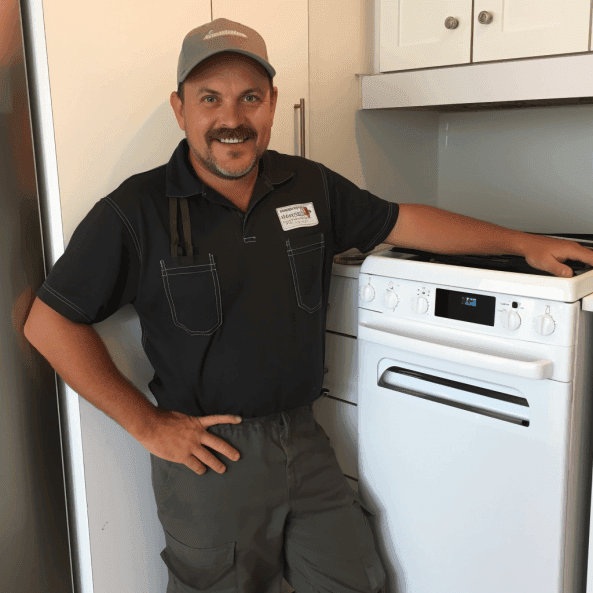
Hi, I’m Charlie, and I cover all things laundry here at Appliance Mastery.
I’ve spent over eight years working on washing machines, dryers, and dishwashers. I also have a degree in mechanical engineering, which helps me understand how these appliances really work.
I try to make every guide clear and practical. If you’re stuck with a noisy dryer or a leaking washer, I’ll help you figure out what’s wrong and how to fix it.