
Ever found yourself staring at a pile of soggy laundry, wondering why your Kenmore washer refuses to drain? It’s a frustrating scenario we’ve all faced at some point. But fret not, because in this article, we’ve got your back! We’re here to guide you through the steps to get that washer draining like a pro again.
Check for Blockages in the Drain Hose
When your Kenmore washer won’t drain, the first step is to check for blockages in the drain hose. Here’s what you can do:
- Start by disconnecting the washer from the power source.
- Locate the drain hose at the back of the machine.
- Remove the hose and inspect it for any clogs caused by lint, debris, or small objects.
- Clean out any obstructions you find using a long brush or by flushing water through the hose.
Remember, a blocked drain hose is a common culprit for drainage issues in washing machines. By checking and clearing any blockages, you can often resolve the problem and get your Kenmore washer back to optimal performance.
Inspect the Drain Pump
When your Kenmore washer won’t drain, one common culprit is a faulty drain pump. Here’s how you can inspect it:
- Locate the drain pump: It is usually found at the back of the washer.
- Check for blockages: Look for any debris or foreign objects that may be clogging the pump.
- Ensure the pump is running smoothly: Spin the impeller to see if it moves freely or if there is any resistance.
- Inspect the pump for damage: Look for any cracks, breaks, or signs of wear that may indicate the pump needs replacement.
Regular maintenance and keeping the drain pump clean can help prevent draining issues in the future.
Recommended Products
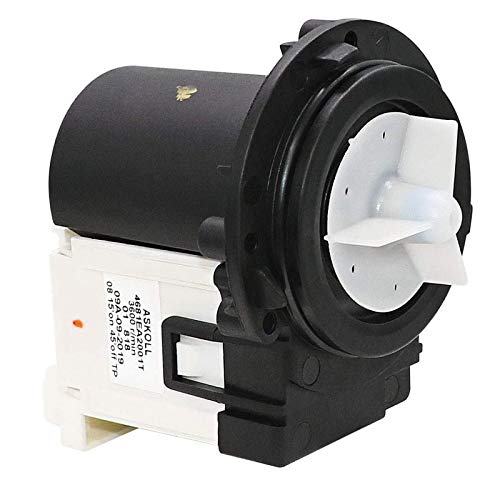
[𝟰𝟲𝟴𝟭𝗘𝗔𝟮𝟬𝟬𝟭𝗧 𝗟𝗚 𝗗𝗥𝗔𝗜𝗡 𝗣𝗨𝗠𝗣 𝗥𝗘𝗣𝗟𝗔𝗖𝗘𝗠𝗘𝗡𝗧]OEM 4681EA2001T M3379-65468 Front load washer drain pump motor rated voltage is 120V-127V 60Hz 85W 1.4A 45L / Min.The AP5328388 lg washer water pump motor consists of a motor component and a filter housing. The detachable filter housing makes it easier to clean the water pump during regular use and maintenance. Additionally, adding a sealing ring can make the water pump operate more smoothly and is quiet when running, which is made of premium quality materialafter many factory inspections OEM 4681EA2001T Original Version lg washing machine drain pump

Product Information---120V | 60Hz | 0.95A | 0.7W, Complete assembly, including motor, filter, and inlet / outlet plastic housing. Drop-In Replacement Pump 280187 fully encapsulated inside the grey plastic therefore winding wire is not exposed,This is a better & Safer design.

【1 PACK 3363394 WASHER PUMP】-- 3363394 Kenmore Drain Pump is manufactured for washing machines that do not have belts. It is located in the washing machine drainage system and is used to drain the water from the washing machine.This 3363394 washing machine drain pump has one large and one small port. The large port is 1.6 inches in diameter and the small port is 1.2 inches in diameter. One port connects to the washing tub and the other to the outside of the washing machine for more effective control of the water output
Test the Lid Switch Assembly
If your Kenmore washer is still not draining, testing the lid switch assembly is the next step. The lid switch plays a critical role in the washer’s operation, as it prevents the machine from spinning or draining when the lid is open.
Here’s how you can Test the Lid Switch Assembly to determine if it’s causing the drainage issue:
- Start by unplugging your washer from the power source to ensure safety.
- Locate the lid switch assembly, which is typically found near the door frame of the washer.
- Inspect the assembly for any visible signs of damage or wear, such as a broken switch or loose connections.
- Using a multimeter, test the continuity of the lid switch to see if electricity flows through it properly.
If the lid switch assembly is faulty, it may need to be replaced to restore proper functionality to your Kenmore washer. Testing the lid switch assembly is a crucial step in diagnosing and fixing drainage issues with your appliance.
Recommended Products
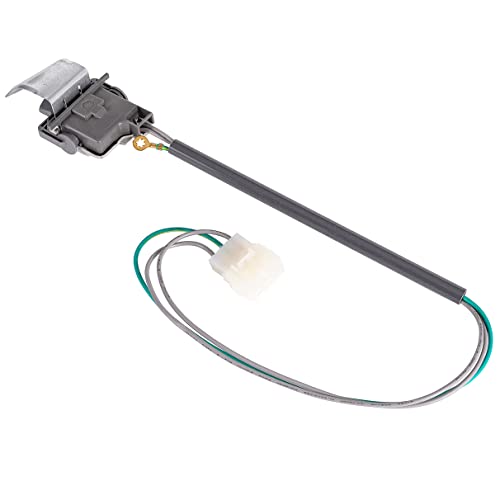
It is made exactly fit for Kenmore70 series, 80 Series and 90 Series Washers.

MODEL NUMBER: 3949238 Washer Lid Switch. This switch and harness assembly has a flat 3 pin plug with flat connections. If your washer not drain, Not Start, Pumps but will not spin, the issue might be the door switch. Replacing the door switch can also fix washers that do not spin or agitate and washer timers that do not advance.

8318084 WASHER LID SWITCH REPLACEMENT PART: Designed to help you replace WP8318084, AP3180933, PS886960, AP6012742, ES8084, PS11745957, TJ90ES8084, WP8318084VP in your Whirlpool washer lid lock, and Maytag washer lid lock replacement. Works with Admiral, Amana washer lid lock switch, Estate, Sears, Roper washing machine parts. Features convenient plug-in connector for easy door lock latch installation.
Clean the Drain Filter
When your Kenmore washer is refusing to drain, one of the culprits could be a clogged drain filter. The drain filter is responsible for capturing lint, debris, and foreign objects, preventing them from clogging the drain pump. To tackle this issue effectively:
- Locate the drain filter, typically found at the bottom front of the washer. Consult your user manual if unsure.
- Prepare a shallow basin and some towels to catch any water that may spill out during the process.
- Carefully unscrew the filter cap and pull out the filter. Be cautious, as water might gush out.
- Inspect the filter for any blockages. Remove any lint, coins, or small objects that could be obstructing the flow.
- Clean the filter thoroughly under running water to ensure it’s free from any residue.
- Reinsert the filter, tighten the cap, and run a quick rinse and spin cycle to test if the issue has been resolved.
Regularly cleaning the drain filter is a simple maintenance task that can prevent drainage problems in your Kenmore washer.
Recommended Products

The Washer Drain Pump Filter 383EER2001A is an exact replacement for 383EER2001A, 5006ER3001, AP4440367, 1267432, 383EER2001F, 5230ER3002A, AGM75510601, AH3522306, EA3522306 and PS3522306.

PACKAGE INCLUDES: This washing machine water filter set includes 2 hot (orange) and 2 cold (blue) water filter screens, replacing part numbers 1810261, AP5202486, PS3618281, and EAP3618281 for LG, Kenmore, and compatible models.

[PARTS NUMBER 383EER2001A]: Drain pump filter 383EER2001A traps lint and debris from drain wate,This filter protects your pump from blockages
Check the Drain Hose for Kinks or Clogs
When your Kenmore washer is not draining properly, it’s important to examine the drain hose for any kinks or clogs that may be obstructing the flow of water. Here’s how you can do it:
- Inspect the drain hose: Look for any twists, bends, or damage that could be causing a blockage.
- Remove any kinks or bends: Straighten out the hose to ensure a smooth path for the water to flow.
- Check for clogs: Use a flashlight to see if there are any obstructions within the hose.
- Clear any blockages: If you spot a clog, carefully remove it using a long brush or by flushing water through the hose to dislodge the debris.
Regularly examining and maintaining the drain hose of your Kenmore washer can help prevent future drainage issues.
Conclusion
Ensuring your Kenmore washer drains properly is essential for efficient laundry cycles. By checking the drain hose for kinks, twists, or clogs and maintaining it regularly, you can prevent future drainage issues. Remember to straighten out any bends, clear obstructions, and keep the hose in good condition. These simple troubleshooting steps can help you fix a Kenmore washer that won’t drain, keeping your laundry routine smooth and hassle-free. Happy washing!
Frequently Asked Questions
1. What should I check if my Kenmore washer is not draining?
Inspect the drain hose for kinks, twists, or clogs that may block water flow. Straighten out any bends and clear obstructions using appropriate tools.
2. How can I prevent drainage issues in my Kenmore washer?
Regularly maintain the drain hose by checking for damage, twists, or clogs. Clear any obstructions promptly to ensure smooth water flow.

Hi, I’m Charlie, and I cover all things laundry here at Appliance Mastery.
I’ve spent over eight years working on washing machines, dryers, and dishwashers. I also have a degree in mechanical engineering, which helps me understand how these appliances really work.
I try to make every guide clear and practical. If you’re stuck with a noisy dryer or a leaking washer, I’ll help you figure out what’s wrong and how to fix it.