
Ever wondered why your clothes dryer decides to play hide and seek in the middle of a laundry day? Picture this: you load up the dryer, press start, and… it shuts off. Frustrating, right? But fear not, you’re not alone in this laundry conundrum.
In this article, you’ll uncover the mysteries behind your clothes dryer’s unexpected shutdowns. From overheating issues to clogged vents, we’ll unravel the common culprits causing your dryer to throw in the towel prematurely. Say goodbye to damp clothes and endless cycles!
Understanding the Power Supply
When your dryer keeps shutting off unexpectedly, the power supply may be one of the underlying issues. Here’s what you need to know:
- Check the Outlet: Ensure that your dryer is plugged into a functioning outlet. Loose connections or tripped circuit breakers can disrupt the power supply.
- Voltage Fluctuations: Your dryer requires a constant voltage supply to operate efficiently. Fluctuations in voltage can lead to sudden shutdowns. Consider using a voltage regulator to stabilize the power.
- Extension Cords: Using extension cords for your dryer may not provide a consistent power flow, increasing the chances of it shutting off. Consider plugging your dryer directly into a wall socket.
- Professional Inspection: If you suspect an issue with the power supply, it might be best to consult a professional electrician for a thorough inspection. They can identify and resolve any electrical problems affecting your dryer’s operation.
By understanding and addressing potential power supply issues, you can help prevent your clothes dryer from shutting off abruptly and ensure smooth laundry cycles.
Checking for Overheating
When your clothes dryer keeps shutting off, overheating may be the culprit. Excessive heat can trigger safety mechanisms, causing your dryer to stop unexpectedly.
Signs of overheating include:
- A burning smell
- Hot exterior surfaces
- Clothes feeling unusually hot after a cycle
To tackle this issue:
- Keep the dryer vents clear: Clogged vents restrict airflow, leading to overheating.
- Check the lint trap: Clean it before every cycle to prevent lint buildup.
- Inspect the vent hose: Ensure it’s not kinked or blocked.
Regular maintenance can help prevent overheating, ensuring smoother drying cycles.
Recommended Products

Home Essentials: Fireplace chimney brushes includes two high quality synthetic brush head and flexible rods that extend up to 30 feet

[Stretch Universal Connector] PetOde dryer lint vacuum cleaner attachment is designed with a premium elasticated stretch universal connector that can be connected to most vacuum cleaners! Say goodbye to the worry of purchasing incompatible attachment models

【3-Piece High-Value Set】 — Includes vent duct brush, lint trap brush, and flexible crevice tool. One kit replaces multiple single-purpose brushes — better value than buying separately.
Clearing Blocked Vents
If your clothes dryer keeps shutting off, a common culprit could be blocked vents. When lint and debris accumulate in the ventilation system, your dryer struggles to function efficiently. Here’s what you can do to address this issue:
- Inspect the Vent: Check for any obstructions in the vent that may hinder airflow.
- Clean the Vent: Use a vent brush or vacuum to remove built-up lint and debris.
- Check the Exterior Vent: Ensure the exterior vent is not obstructed by outside elements like leaves or debris.
By clearing blocked vents, you can improve the airflow in your dryer, helping prevent unexpected shutdowns. Regular maintenance of ventilation systems is essential for optimal dryer performance.
| Statistics | Data |
|---|---|
| Dryer Fires | 2,900 annually |
| Leading Cause | Failure to clean |
Recommended Products

【All-in-One Dryer Duct Cleaning Kit】No more running to the hardware store for missing parts. This complete vent cleaning kit includes a heavy-duty dryer vent cleaning brush for 4-inch pipes, a set of flexible nylon rods, a dedicated lint brush, a dryer vent cleaner drill attachment, and protective gloves—everything you need in one box, ready to use right away.
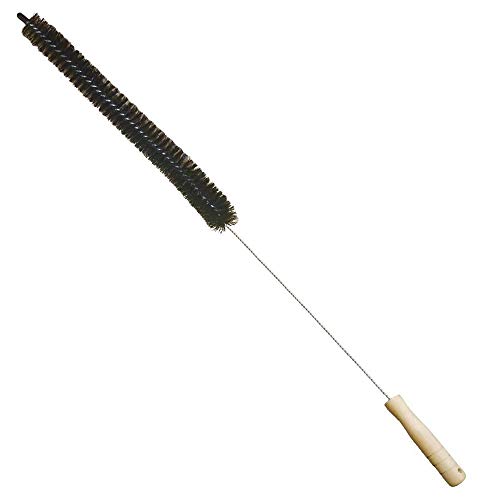
Deep Cleaning Dryer Brush – Effectively removes trapped lint, dust, and pet hair from dryer vents, exhaust ports, and hard-to-reach spaces under appliances—helping reduce fire hazards and boost dryer efficiency.
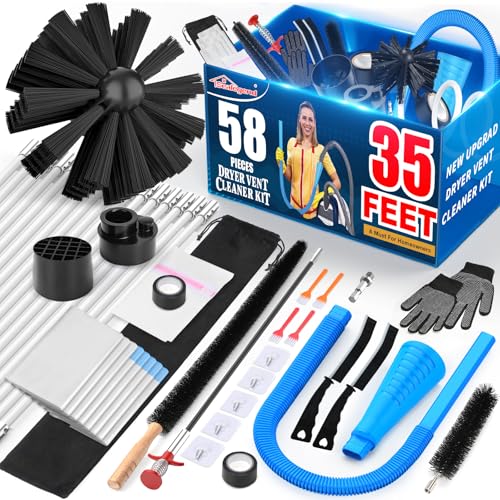
【Efficient dryer cleaning tool set】-Professional cleaning tool set can help you deep clean buildup lint in the dryer. Including 35feet Dryer Vent Brush × 1, Dryer Lint Vacuum Attachment × 1, Lint Trap Brush × 1, Vacuum Cleaner Adapter x1, Dryer Adapter x1, Drill Bit x 1, Multi-Use Lint Cleaner Brush x1, Anti-SLip Gloves x1, Strong Tape x2, Rods Collection Bag x1, Laundry Bag x1, Lint Collection Bag x33, Lint Grabber x1, Blockage Removal Tool x1, Gap Brush x2,MULT-FUNCTIONALCLEANINGBRUSH x4,SELF-ADHECIVEHOOK x5
Examining the Dryer’s Sensors
When your clothes dryer shuts off unexpectedly, it might be due to malfunctioning sensors that are designed to monitor the appliance’s temperature and other key parameters.
Recommended Products

[Compatible with Toilet Cleaning Tablets]: The built-in compartment allows safe use of dissolvable cleaning tablets (blue tablets) that release with each flush, helping break down waste, deodorize, and keep your bowl sparkling clean without residue or clogging. Combined with Foam Shield, ZYC8A offers the ultimate clean for users who prioritize bathroom hygiene. Note: Cleaning tablets not included; recommend purchasing locally
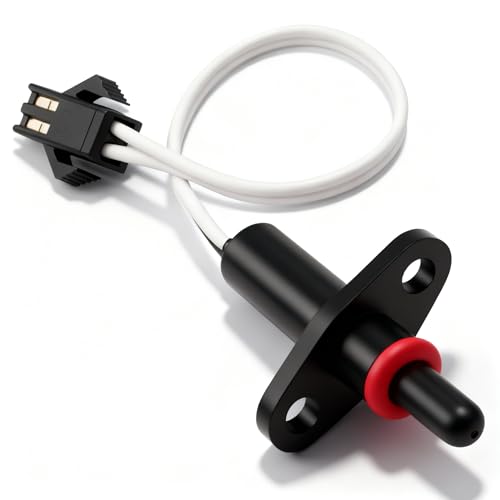
Fits for Samsung & Whirlpool Dishwashers - Fits for Samsung and Whirlpool dishwasher models—including part numbers DW80N3030US, DW80N3030US/AA, UDT518SAFP0, UDT518SBDP0 and more. This thermistor sensor is a direct replacement to restore accurate temperature sensing in your trusted appliance
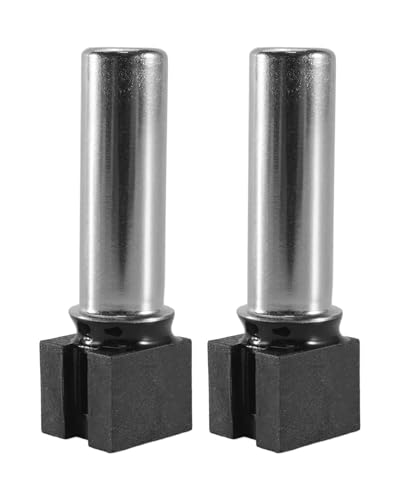
Accurate Temperature Monitoring: Provides reliable readings across a wide range of temperatures, ensuring your washing machine can run hot and cold water cycles to meet the needs of different washing programs
Common Sensor Issues
- One of the most common sensor issues is a faulty temperature sensor.
- Another frequent problem could be dust or lint accumulation interfering with the sensor’s operation.
- Your dryer’s sensors might also be aging, leading to inaccuracies in monitoring.
Troubleshooting Tips
- Start by checking if there is any visible debris around the sensor area.
- Ensure that the sensor is clean and properly connected.
- If you suspect a faulty sensor, consider seeking professional repair services.
Importance of Sensor Maintenance
- Regular sensor maintenance can help prevent unexpected shutdowns.
- Proper care can extend the lifespan of the sensors, ensuring the efficient operation of your dryer.
Final Thoughts
Understanding how your dryer’s sensors work is crucial in diagnosing and resolving issues that may cause it to shut off unexpectedly. By taking proactive steps to maintain the sensors, you can ensure that your clothes dryer operates smoothly and efficiently.
Regular Maintenance Tips
Taking care of your clothes dryer with regular maintenance can prevent unexpected shutdowns and extend its lifespan. Here are some practical tips to keep your dryer running smoothly:
- Clean the lint trap after every load to prevent lint buildup
- Inspect and clean the exhaust vent at least once a year to prevent blockages
- Occasionally wipe down the inside of the dryer to remove dust and debris
- Check the drum for any foreign objects that could cause damage or blockage
- Schedule professional maintenance checks to ensure all parts are functioning properly
Conclusion
By following these maintenance tips, you can keep your clothes dryer running smoothly and avoid unexpected shutdowns. Regularly cleaning the lint trap, inspecting the exhaust vent, and checking for any foreign objects in the drum are simple steps to ensure your dryer operates efficiently. Remember, a well-maintained dryer not only prevents inconveniences but also extends its lifespan. So, make it a habit to give your dryer the care it deserves, and you’ll enjoy hassle-free laundry days for years to come.
Frequently Asked Questions
Why is regular maintenance important for clothes dryers?
Regular maintenance is crucial to prevent unexpected breakdowns, extend the dryer’s lifespan, and maintain its efficiency.
How often should I clean the lint trap?
Cleaning the lint trap after each load is recommended to prevent blockages and ensure optimal airflow.
How frequently should I inspect and clean the exhaust vent?
It is advisable to inspect and clean the exhaust vent annually to prevent overheating and potential fire hazards.
Why should I wipe down the inside of the dryer occasionally?
Wiping down the inside of the dryer helps eliminate built-up lint and debris that can affect its performance.
What should I do if I find foreign objects in the drum?
Remove foreign objects from the drum to prevent damage to the dryer and ensure smooth operation.
Why is scheduling professional maintenance checks important?
Professional maintenance checks can identify underlying issues early, prevent major problems, and optimize the dryer’s performance.

Hi, I’m Charlie, and I cover all things laundry here at Appliance Mastery.
I’ve spent over eight years working on washing machines, dryers, and dishwashers. I also have a degree in mechanical engineering, which helps me understand how these appliances really work.
I try to make every guide clear and practical. If you’re stuck with a noisy dryer or a leaking washer, I’ll help you figure out what’s wrong and how to fix it.