
Ever wondered if it’s safe to leave your turkey uncovered in the fridge? Picture this: it’s the night before Thanksgiving, and you’re prepping your feast. You realize the turkey won’t fit in any container. What do you do?
Leaving a turkey uncovered in the fridge may seem convenient, but is it the best choice? In this article, you’ll discover the dos and don’ts of storing your holiday bird.
Risks of Leaving Turkey Uncovered
When leaving your turkey uncovered in the fridge, several risks arise that you should be aware of:
- Bacterial growth: Uncovered turkey is vulnerable to bacteria, increasing the risk of foodborne illnesses.
- Cross-contamination: Exposing the turkey to other items in the fridge can lead to cross-contamination, compromising food safety.
- Loss of moisture: Leaving the turkey uncovered can cause it to lose moisture, resulting in dry and less flavorful meat.
- Odor absorption: Uncovered turkey can absorb odors from other foods in the fridge, affecting its taste.
- Temperature inconsistency: Covering the turkey helps maintain a consistent temperature, crucial for keeping it safe to eat.
Factors to Consider
When deciding whether to leave a turkey uncovered in the fridge, there are several important factors you should take into account. Neglecting these factors could lead to bacterial growth and other issues that can compromise the safety and quality of your bird.
Temperature Control
- Even in the fridge, uncovered turkey is at risk of being exposed to temperature fluctuations.
Cross-Contamination
- Without proper cover, raw turkey juices can drip onto other foods in the fridge, leading to cross-contamination.
Moisture Loss
- Leaving your turkey uncovered can result in loss of moisture which can lead to dry, tough meat.
Odor Absorption
- Turkeys can easily absorb odors from other foods in the fridge, affecting their taste.
- Uncovered turkey is more susceptible to bacterial growth, especially in environments prone to temperature changes.
To ensure the safety and quality of your turkey, it’s best to properly cover and store it in the fridge.
Safe Storage Practices
When it comes to storing your turkey in the fridge, following a few key practices can ensure its safety and quality. Here are some tips to help you with safe storage:
- Keep the turkey covered to prevent bacterial growth.
- Store the turkey on the bottom shelf to avoid cross-contamination.
- Maintain a steady temperature in the fridge to minimize the risk of spoilage.
- Use a container or a sealed bag to retain moisture and protect the turkey from odors.
Remember, proper storage is crucial for keeping your turkey fresh and safe to eat.
Alternatives to Leaving Turkey Uncovered
When it comes to storing your turkey in the fridge, leaving it uncovered may not be the best option. Here are some alternatives to consider:
- Covering the turkey: Instead of leaving it exposed, loosely cover your turkey with aluminum foil or plastic wrap. This helps prevent bacteria from contaminating the meat and keeps it from drying out.
- Placing in a sealed bag or container: Opt for a resealable bag or airtight container to store your turkey. This not only helps maintain freshness but also prevents any potential odors in the fridge from seeping into the meat.
- Using a turkey storage bag: Consider investing in a specialized turkey storage bag. These bags are designed to keep the turkey fresh, safe from contaminants, and also help save space in your fridge.
Remember, proper storage is key to ensuring your turkey stays fresh and safe to eat. By following these alternatives, you can maintain the quality of your turkey while also reducing the risk of contamination.
| Key Point | Benefits |
|---|---|
| Covering the turkey | Prevents bacteria growth and keeps the meat from drying out |
| Placing in a sealed bag or container | Maintains freshness and prevents odors from affecting the meat |
| Using a turkey storage bag | Keeps the turkey fresh, safe, and saves space in the fridge |
Recommended Products

🌟 MASSIVE CAPACITY: Get ready to simplify your meal prep with our incredible 6500ml (220 oz) glass storage container! With plenty of room for all your favorite foods—fruits, veggies, soups, salads, casseroles, pasta, and so much more—you'll never run out of space. Perfect for bulk meal prepping, marinating meats, or keeping those delightful larger meals like roasted turkey or chicken fresh and organized in your fridge or freezer. Say goodbye to clutter and hello to convenient cooking! Your kitchen just got a major upgrade!✨

Large Storage Capacity: you will receive a Thanksgiving turkey storage bin with lid and carrying handle, designed with classic fall harvest patterns such as turkey, vintage truck, pumpkins, maple leaves and "Happy Thanksgiving" text, the size about 15.75 x 11.81 x 11.81 inches/ 40 x 30 x 30 cm, large and delicate storage basket can hold no matter whatever you want

CUSTOMER SUPPORT: Our team is dedicated to providing high-quality products and support for all users. If you have any questions regarding your purchase or product performance, we are available to assist with any inquiries to ensure a positive experience
Best Practices for Storing Your Turkey
When it comes to ensuring your turkey stays fresh and safe in the fridge, following best practices is essential. Here’s how you can store your turkey properly:
- Refrigeration: Always store your turkey in the refrigerator, ensuring a consistent temperature below 40°F (4°C).
- Covering: Avoid leaving your turkey uncovered in the fridge. Instead, use aluminum foil or plastic wrap to protect it from bacteria and odors.
- Sealed Bag or Container: Consider placing your turkey in a sealed bag or airtight container to maintain freshness and prevent contamination.
- Turkey Storage Bag: For optimal results, use a specialized turkey storage bag designed to keep your turkey fresh for longer.
- Avoid Cross-Contamination: Keep your turkey separate from other foods in the fridge to prevent the spread of bacteria.
- Thawing: If your turkey is frozen, ensure you thaw it properly in the refrigerator to maintain its quality and safety.
- Use-by Date: Consume your turkey within the recommended timeframe indicated on the packaging for the best taste and quality.
- Proper Hygiene: Wash your hands thoroughly before and after handling the turkey to minimize the risk of contamination.
Remember, following these best practices will help keep your turkey fresh, flavorful, and safe to enjoy.
Recommended Products
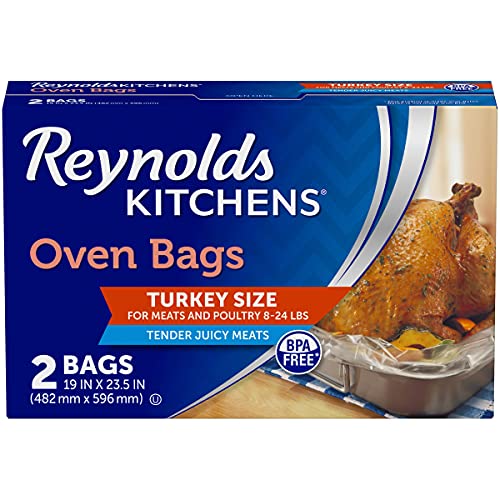
REYNOLDS TURKEY OVEN BAGS-This pack includes two, large Reynolds Kitchens Oven Bags, each measuring 19 x 23.5 inches

【Great Sealing】 Our brining bag has a double-zipper seal top for a leak-proof closure, which eliminates worry over ingredients poking through and leaks. Comes with 3 string to tie the top of the bag, that is more than enough protection from potential spills or leaks.

Home Vacuum-sealing Kit: the kit includes 15 extra large poultry shrink wrap bags holds up to 33lb (approx. 18 x 32 inches/ 46 x 81 cm, 4.3 Mil), 15 zip ties, and 2 silicone vent straws; These components allow for easy air removal and a secure seal, delivering professional-grade; It is normal to have a small amount of white powder on our bags which is edible starch to make the bags easy to open and avoid them from sticking to each other
Conclusion
Remember to follow these simple guidelines for storing your turkey in the fridge to keep it fresh and safe. By maintaining a consistent temperature, covering the turkey properly, preventing cross-contamination, and practicing good hygiene, you can ensure that your turkey stays delicious and ready to enjoy. With these tips in mind, you’ll be all set to prepare a tasty and safe turkey for your next meal. Happy cooking!
Frequently Asked Questions
How should I store a turkey in the fridge to keep it fresh?
Store the turkey in the fridge at a temperature below 40°F. Cover it with aluminum foil or plastic wrap, use a sealed bag or container, or a specialized turkey storage bag to prevent contamination and maintain freshness.
What are the key points to remember for storing a turkey in the fridge?
Avoid cross-contamination, ensure proper thawing, consume within the recommended timeframe, practice good hygiene, and keep the turkey separate from other foods in the fridge. Following these guidelines will help maintain the turkey’s quality and safety for consumption.

Hi, I’m Charlie, and I cover all things laundry here at Appliance Mastery.
I’ve spent over eight years working on washing machines, dryers, and dishwashers. I also have a degree in mechanical engineering, which helps me understand how these appliances really work.
I try to make every guide clear and practical. If you’re stuck with a noisy dryer or a leaking washer, I’ll help you figure out what’s wrong and how to fix it.