
Electrolux commercial dishwashers display fault codes to indicate specific issues that need addressing. Understanding these codes allows for quicker troubleshooting and efficient repairs, minimizing downtime in a commercial kitchen.
Electrolux Dishwasher Fault Code Guide
Electrolux commercial dishwashers use a variety of fault codes to signal operational problems. Each code corresponds to a specific issue that can affect performance. Familiarity with these codes can streamline maintenance and repair efforts. Below is a table summarizing common fault codes, their meanings, and recommended actions.
| Fault Code | Description | Recommended Action |
|---|---|---|
| E1 | Water fill issue | Check water supply and inlet valve |
| E2 | Drainage problem | Inspect drain pump and hoses |
| E3 | Heating failure | Test heating element and thermostat |
| E4 | Door latch malfunction | Examine door latch and switch |
| E5 | Overflow error | Check float switch and water level |
Fault Code Diagnosis Process
Understanding the fault code diagnosis process is essential for effective troubleshooting of Electrolux commercial dishwashers. This section outlines the systematic approach to identifying and resolving common issues indicated by specific fault codes, ensuring optimal performance and minimizing downtime. By following these steps, technicians can efficiently address problems and maintain the reliability of the equipment.
When a fault code appears, follow a systematic approach to diagnose the issue. Start by noting the displayed code and referencing the user manual for detailed information.
Identify the Fault Code
Record the exact fault code displayed on the control panel.Consult the Manual
Look up the fault code in the Electrolux manual for specific troubleshooting steps.Perform Basic Checks
Inspect power supply, water connections, and drain lines for obvious issues.Test Components
Use a multimeter to check electrical components related to the fault code.Replace Faulty Parts
Order and install necessary replacement parts if any components are found defective.
Common Electrolux Dishwasher Fault Code Causes
Understanding the common fault codes for Electrolux commercial dishwashers is essential for effective troubleshooting and maintenance. This section outlines the typical causes behind these fault codes, helping technicians quickly identify issues and implement appropriate solutions to ensure optimal performance and reliability.
Understanding the root causes of common fault codes can help prevent future issues. Below are typical causes associated with each fault code.
E1 Water fill issue
Clogged inlet filter
Faulty water inlet valve
E2 Drainage problem
Blocked drain hose
Malfunctioning drain pump
E3 Heating failure
Burnt heating element
Defective thermostat
E4 Door latch malfunction
Misaligned door
Worn latch mechanism
E5 Overflow error
Faulty float switch
Excessive water supply
Fault Code Troubleshooting Strategies
Understanding the fault codes of Electrolux commercial dishwashers is essential for efficient troubleshooting. This section provides practical strategies to diagnose and resolve common issues indicated by these codes, ensuring optimal performance and minimizing downtime. By following these expert recommendations, users can effectively address problems and maintain their equipment in peak condition.
Effective troubleshooting can save time and resources. Here are targeted tips for resolving common fault codes.
E1 Water Fill Fault Diagnosis
Understanding the E1 water fill fault is crucial for maintaining the efficiency of Electrolux commercial dishwashers. This section provides a detailed diagnosis of the E1 error code, outlining potential causes and troubleshooting steps. By addressing these issues promptly, operators can ensure optimal performance and minimize downtime in their operations.
Inspect the water inlet valve for blockages. Clean or replace the inlet filter if necessary. Ensure that the water supply is turned on and not restricted.
E2 Drainage Fault Diagnosis
Understanding the E2 drainage fault code is crucial for maintaining the efficiency of Electrolux commercial dishwashers. This section provides a detailed analysis of the causes and solutions for drainage issues, helping technicians quickly diagnose and resolve problems to ensure optimal performance. Familiarity with these fault codes can significantly reduce downtime and improve service quality.
Check for kinks or blockages in the drain hose. If the drain pump is not functioning, consider replacing it. Regular maintenance can prevent clogs.
E3 Heating Element Fault Diagnosis
The E3 fault code on Electrolux commercial dishwashers indicates a problem with the heating element, which can disrupt the machine’s ability to maintain optimal water temperatures. Understanding the potential causes and solutions for this issue is essential for efficient troubleshooting and ensuring the dishwasher operates effectively. This section provides detailed insights into diagnosing and resolving E3 faults.
Test the heating element for continuity. If defective, replace it. Ensure that the thermostat is functioning correctly to maintain proper temperatures.
E4 Door Latch Fault Diagnosis
The E4 fault code in Electrolux commercial dishwashers indicates a problem with the door latch mechanism, which can disrupt the machine’s operation. Understanding the signs and causes of this issue is essential for effective troubleshooting and ensuring optimal performance. This section provides detailed insights into diagnosing and resolving E4 door latch faults.
Examine the door latch for wear and ensure proper alignment. Replace if necessary to ensure the dishwasher operates safely.
E5 Overflow Fault Code Explanation
The E5 overflow fault code in Electrolux commercial dishwashers indicates a potential issue with water levels, often caused by a malfunctioning float switch or a blockage in the drainage system. Understanding this fault code is crucial for timely troubleshooting and maintaining optimal performance in your kitchen operations. This section delves into the specifics of the E5 code and its implications for your equipment.
Inspect the float switch for proper operation. If it is stuck or defective, replace it to prevent overflow conditions.
Electrolux Dishwasher Maintenance Strategies
Proper maintenance of Electrolux commercial dishwashers is essential for optimal performance and longevity. Implementing effective strategies can prevent common issues and ensure that your equipment operates efficiently. This section outlines key maintenance practices tailored specifically for Electrolux dishwashers, helping you keep your operations running smoothly.
Regular maintenance can significantly reduce the occurrence of fault codes. Implement the following preventive measures:
Daily Cleaning
Clean filters and spray arms to maintain optimal performance.Weekly Inspections
Check hoses and connections for wear or leaks.Monthly Deep Cleaning
Perform a thorough cleaning of the interior components and check for mineral buildup.Annual Professional Service
Schedule a professional inspection to ensure all components are functioning correctly.
Addressing Electrolux Fault Code Alerts
Understanding Electrolux commercial dishwasher fault codes is crucial for maintaining optimal performance and minimizing downtime. This section provides a clear overview of common fault code alerts, helping users quickly identify and address issues that may arise during operation. With this knowledge, operators can ensure their equipment runs smoothly and efficiently.
Ignoring fault codes can lead to more significant issues and costly repairs. Always address fault codes promptly to maintain operational efficiency.
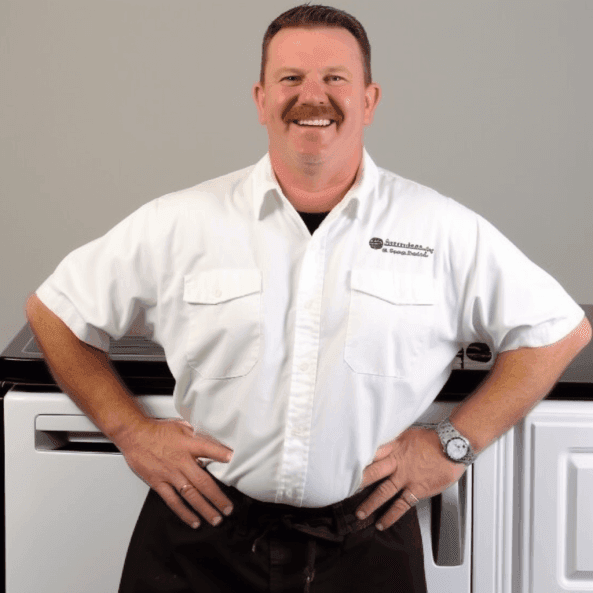
Hey, I’m Jake. I focus on cooling systems at Appliance Mastery, like fridges, freezers, and air conditioners.
I’ve worked in appliance repair for more than ten years and I’m certified through NASTeC. I’ve seen just about every fridge issue you can imagine.
My goal is to help you fix problems without stress. Whether it’s a freezer that won’t cool or an AC that keeps beeping, I’m here to walk you through it.