
Is your heat pump blowing cold air when you need warmth the most? You’re not alone. Many homeowners face this frustrating issue, especially during the chilly months. Imagine coming home after a long day, only to find your house is just as cold as the outside.
Key Takeaways
- Common Heat Pump Issues: Understand that poor maintenance, incorrect sizing, and refrigerant levels can lead to ineffective heating in your home.
- Regular Maintenance: Clean or replace air filters every 1-3 months and schedule annual professional inspections to keep your heat pump running efficiently.
- Thermostat Settings: Always verify your thermostat is set to “heat” mode and check for proper temperature adjustments to ensure correct operation.
- Ductwork Integrity: Inspect ductwork for blockages and leaks, as problems here can significantly impair heat distribution and overall system performance.
- When to Seek Help: If your heat pump consistently blows cold air or exhibits unusual sounds, it’s time to call an HVAC professional to diagnose underlying issues.
- System Age and Efficiency: Older heat pumps (over 10 years) may require more frequent inspections and could be candidates for replacement to ensure optimal heating performance.
Common Issues with Heat Pumps
Heat pumps can struggle to maintain warmth in your home for several reasons. Understanding these common issues helps you identify and solve the problem quickly.
Recommended Products

360 DEGREE WATERPROOF DESIGN - Our ac cleaning kit bag is made with a high-density waterproof fabric to fully cover your Mini Split and prevent water overspray while cleaning with pressurized water and coil cleaners.

360 DEGREE WATERPROOF DESIGN - Our ac cleaning kit bag is made with a high-density waterproof fabric to fully cover your Mini Split and prevent water overspray while cleaning with pressurized water and coil cleaners.

Poor Maintenance
Poor maintenance leads to a range of issues that affect heat pump performance. When filters become clogged, airflow decreases, and efficiency drops. Clean or replace filters every 1-3 months to maintain optimal airflow.
Dirty coils collect dust and grime, which reduces heat exchange efficiency. Schedule routine cleaning for both indoor and outdoor coils to ensure effective operation.
Ignoring regular maintenance checks can cause mechanical components to wear out prematurely. Plan an annual inspection by a professional to identify and fix potential problems early.
Incorrect Sizing
Incorrect sizing significantly affects a heat pump’s efficiency. An oversized heat pump heats a space too quickly but cycles on and off frequently, leading to inefficient energy use and inconsistent temperatures. In contrast, an undersized heat pump struggles to meet heating demands, leaving your home cold.
To avoid sizing issues, consult with an HVAC professional for an accurate load calculation. This calculates your home’s heating needs based on factors like insulation, square footage, and climate. Properly sizing your heat pump ensures effective heating throughout your home.
Troubleshooting Your Heat Pump
If your heat pump isn’t heating your house, several steps can help diagnose and resolve the issue. Start with these practical checks to determine the root of the problem.
Recommended Products

Elevate your atmosphere, great for heating and cooling systems including single and multi-stage heat pumps

CUSTOMIZE: Choose to receive change air filter reminders, coordinate with your home decor thanks to the interchangeable decorative accent pieces (comes with white and gray options), and select display settings to optimize this thermostat for home

Product Usage Instructions: Breez Max connects to a 2.4 GHz Wi-Fi network. It is compatible with any mini-split, window or portable unit that has an IR remote control. If your device doesn't work out of the box, please contact Cielo Customer Support to make it compatible. Breez Max has built-in temperature & humidity sensors that can be calibrated using the app. If the touch buttons don’t respond, press the temperature up & down buttons simultaneously to unlock the touch controls. For optimal placement and control, place Breez Max within 6-12 feet and in the line of sight of your air conditioner.
Check the Thermostat Settings
Ensure your thermostat settings are correct. Confirm the system is set to “heat” mode rather than “cool.” Adjust the temperature setting higher than the current room temperature to see if the system responds. If it’s a programmable thermostat, review the schedule to verify it hasn’t been altered unintentionally. Replacing batteries if needed can also prevent performance issues.
Inspect the Air Filter
Inspect the air filter regularly. A dirty air filter can restrict airflow, causing the heat pump to work inefficiently. Remove the filter and check its condition. If it appears clogged or dirty, replace it with a new one. Most filters should be changed every 1-3 months, depending on usage. Regular cleaning promotes proper airflow and enhances the heat pump’s overall efficiency.
Potential Causes for Heat Pump Not Heating House
Heat pumps may fail to provide warmth for several reasons. Identifying the cause helps restore heat effectively.
Recommended Products

WORKS WITH R410a, R22, R32, R454B, R134a AND MORE - all residential and light commercial refrigerants. Same ProSeal XL4 formula as our standard product. Added UV dye circulates simultaneously - no separate step. Compatible with all oils. Not for ammonia or CO2. If it's in a residential or commercial HVAC system, it's covered.

【Aprvtio Upgraded Sensor & 3-in-1 Detection】 Equipped with the aprvtio next-generation heat diode sensor, this gas leak detector goes beyond traditional units to accurately locate leaks in A1 (R410A), A2L (R32, R454B), A3 (R290, R600) refrigerants and other gases such as H2/N2 tracer gas—covering all types with true 3-in-1 detection capability.
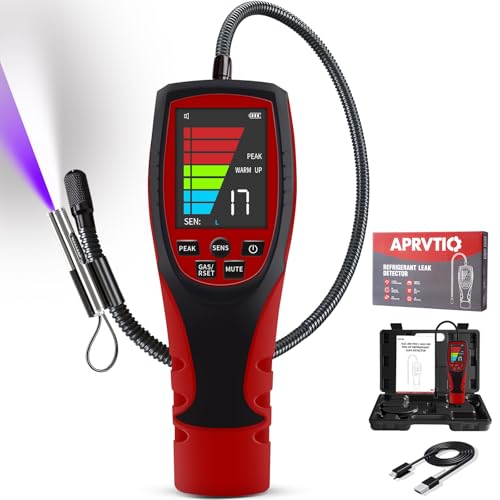
3 modes of sensitivity with maximum sensitivity up to 0.14oz./yr. 16 inch sensor probes of the hvac leak detector that allows you to reach hard-to-reach areas.
Refrigerant Levels
Insufficient refrigerant levels can hinder your heat pump’s ability to heat effectively. Low refrigerant might stem from leaks or improper installation. An HVAC technician should inspect and replenish refrigerant as needed. Expect to check your system annually for signs of leaks, like hissing or bubbling sounds.
Ductwork Problems
Ductwork issues can drastically affect your heat pump’s performance. If ducts are blocked, leaks exist, or improperly insulated, heat distribution suffers. Inspect ducts for dirt buildup and inspect joints for leaks. Sealing gaps with duct tape or mastic sealant enhances efficiency. Schedule regular duct cleaning every 3-5 years to maintain optimal airflow.
When to Call a Professional
Recognizing when to contact an HVAC professional is crucial for resolving heating issues effectively. Here are the key situations:
Persistent Cold Air
If your heat pump continually blows cold air despite troubleshooting, seek professional assistance. Technicians can diagnose underlying issues quickly.
Unusual Sounds
Listen for strange noises, such as grinding, banging, or hissing. These sounds indicate mechanical problems that require expert evaluation.
Frozen Coils
Check for ice buildup on the coils or outdoor unit. If ice forms, turn off the heat pump and call a professional. Thawing the unit without proper care can cause damage.
Refrigerant Leaks
If you suspect low refrigerant levels or detect a hissing sound, professional help is necessary. Technicians can find leaks and recommend repairs for optimal performance.
Inefficient Heating
If there’s a noticeable drop in temperature throughout your home, it’s time to consult an expert. They can assess your heat pump, ducts, and insulation for efficiency.
Frequent System Cycles
Frequent on-and-off cycling indicates potential issues. Professionals can determine if your heat pump is oversized or if there are other contributing factors.
Age of the System
If your heat pump is over 10 years old, consider an inspection. Older units may struggle to heat effectively and might need updates or replacement.
Maintenance Needs
If you haven’t scheduled annual maintenance, it’s wise to call a professional. Regular inspections help identify and resolve issues before they lead to significant problems.
Recognizing these signs helps maintain comfort in your home and extend the life of your heat pump. Act proactively to avoid larger, more expensive repairs.
Conclusion
Dealing with a heat pump that’s not heating your home can be frustrating but understanding the underlying issues can make a big difference. Regular maintenance and timely inspections are key to keeping your system running smoothly.
If you notice persistent problems or unusual sounds don’t hesitate to reach out to an HVAC professional. They can help diagnose issues you might not spot on your own. Remember that a little attention today can save you from bigger headaches down the line. Stay cozy and keep your home warm!
Frequently Asked Questions
Why is my heat pump blowing cold air in winter?
A heat pump may blow cold air due to issues like poor maintenance, clogged filters, incorrect thermostat settings, or insufficient refrigerant. These factors can significantly affect its ability to heat effectively. Regular maintenance and troubleshooting can help identify and resolve these problems.
How often should I clean my heat pump filter?
It is recommended to check and clean your heat pump filter every 1-3 months. A dirty filter restricts airflow and reduces efficiency, making it essential for maintaining optimal performance and effective heating.
What causes a heat pump to be the wrong size?
Incorrect sizing of a heat pump can occur during installation. An oversized unit can short-cycle, while an undersized unit struggles to heat adequately. Consulting an HVAC professional for accurate load calculations is key to ensuring you have the right size for your home.
When should I call a professional for heat pump issues?
Call a professional if you experience persistent cold air, unusual sounds, frozen coils, or suspect refrigerant leaks. Timely intervention can prevent further damage and costly repairs, helping maintain comfort in your home.
How often should I have my heat pump inspected?
It’s advisable to have your heat pump inspected annually by a professional. Regular inspections ensure the system operates efficiently, helps identify potential issues early, and extends the lifespan of your unit.
Hi, I’m Charlie, and I cover all things laundry here at Appliance Mastery.
I’ve spent over eight years working on washing machines, dryers, and dishwashers. I also have a degree in mechanical engineering, which helps me understand how these appliances really work.
I try to make every guide clear and practical. If you’re stuck with a noisy dryer or a leaking washer, I’ll help you figure out what’s wrong and how to fix it.