
Check for Clogs in the Drain Hose
When your dishwasher doesn’t drain, a common issue could be clogs in the drain hose. Here’s what you can do:
- Disconnect the dishwasher: Pull it out to access the back.
- Locate the drain hose: Look for a kink, blockage, or any visible debris.
- Remove the hose: Check for obstructions and clear them out if found.
- Use a drain snake: Slide it through the hose to dislodge any stubborn clogs.
Remember, a clear drain hose is crucial for proper drainage in your dishwasher.
Recommended Products
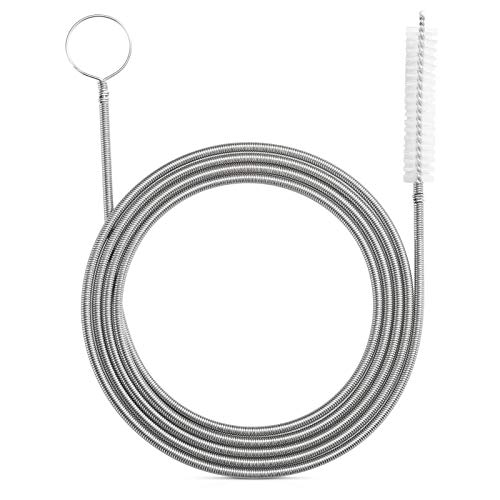
61 Inch/155cm Long with 5CM X 1CM Diameter Bristle Head.

【64-Inch Flexible Design】This extra-long cleaner brush reaches deep into pipes to clear tough clogs. The thick stainless steel spring bends easily through curves—great for pipe tube, sink drains, narrow space and bathroom, This flexible pipe brush is perfect for hard-to-reach areas
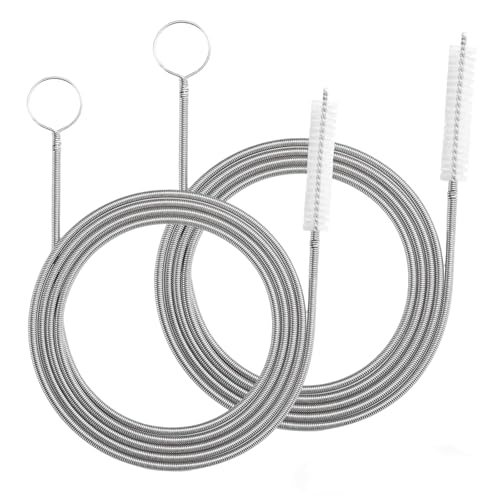
Stop Leaks & Costly Repairs Before They Happen: Clogged drain lines cause water overflow, interior leaks, and appliance damage. This 80-inch drain cleaning tool helps clear buildup early—protecting your car, refrigerator, dishwasher, and AC system from expensive repairs.
Inspect the Drain Pump
When your dishwasher isn’t draining, another component to check is the drain pump. This pump is responsible for forcing water out of the dishwasher during the drain cycle. Here’s how to inspect it:
- Locate the drain pump: It’s typically found near the bottom of the dishwasher.
- Check for obstructions: Look for any debris, food particles, or objects that may be blocking the drain pump.
- Inspect the pump impeller: Ensure that the impeller, which helps move the water through the pump, is not damaged or blocked.
If you find any issues with the drain pump, it may need to be cleaned or replaced. Regular maintenance of the drain pump can help prevent drainage problems in the future.
Manually Drain the Dishwasher
When your dishwasher is not draining properly, you can manually take steps to help it along. Here’s how to do it:
- Turn off the dishwasher and unplug it from the power source.
- Locate the dishwasher drain, usually at the bottom of the machine.
- Place a shallow dish or towel beneath the drain to catch any water that may come out.
- Using a sponge or towel, remove any standing water inside the dishwasher to prevent spills.
- Carefully unscrew the drain cap to access the drain.
- Check for any clogs or debris that may be blocking the drain.
- Once you’ve cleared the blockage, replace the drain cap securely.
- Plug the dishwasher back in and run a short cycle to check if the issue is resolved.
- If the dishwasher still doesn’t drain after these steps, consider seeking professional help to avoid further damage.
| Honed Steps: |
|---|
| Turn off and unplug the dishwasher |
| Locate and clear the drain |
| Run a short cycle to test drainage |
| Consider professional help if needed |
Recommended Products

Material:It is made of rubber which a pliable material making it easy to make your hose connections.

Transform your dishwasher's drain setup with the 2 Set Dishwasher Connector Kit - the ultimate dishwasher drain hose adapter solution

DURABLE AND STURDY MATERIAL – Made of high-quality, corrosion-resistant materials, this dishwasher drain hose adapter can withstand long-term use and provide reliable performance.
Clean the Air Gap
When forcing your dishwasher to drain, it’s essential to check the air gap. Here’s how you can do it:
- Start by locating the air gap, usually located next to the faucet.
- Remove the air gap cover and clean any debris inside.
- Use a brush or a paper clip to clear out any clogs.
Ensuring the air gap is clear can help facilitate proper drainage in your dishwasher.
Recommended Products
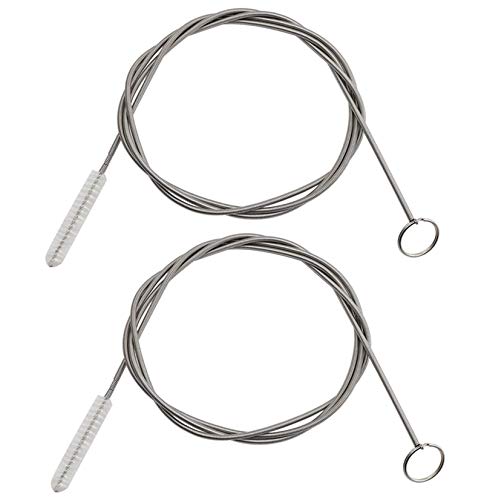
This tube cleaner brush is made from stainless steel and nylon bristles head,which can softly scrub away buildup and avoid destroying the tubing.

❤ The nylon bristles long pipe cleaner brush collect and remove the drain, food, grease buildup, and debris; durable enough for long-term use.
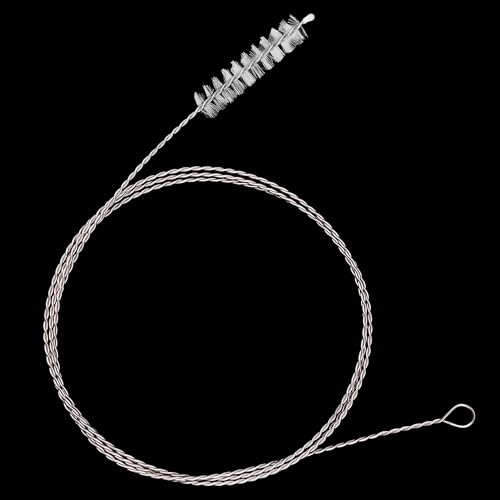
Small: The sink drain brushes can reach into drains with small openings
Contact a Professional for Help
Facing persistent issues with your dishwasher not draining even after attempting manual solutions? It might be time to seek the expertise of a professional. Here’s why and how to go about it:
- Expert Diagnosis: An experienced technician can accurately diagnose the root cause of the drainage problem in your dishwasher.
- Specialized Tools: Professionals have access to specialized tools and equipment to efficiently identify and resolve complex blockages.
- Preventing Further Damage: Timely intervention by a professional can prevent potential damage to other components of your dishwasher.
If manual methods haven’t solved the draining issue, it’s best to reach out to a skilled technician. Additionally, if your dishwasher is still under warranty, contacting the manufacturer or an authorized service provider is advisable. Remember, addressing the problem promptly can save you from costly repairs down the line.
Conclusion
Ensuring your dishwasher drains properly is crucial for its optimal performance. By inspecting the drain pump and cleaning any obstructions, you can resolve drainage issues efficiently. Remember to check the pump impeller and clean the air gap regularly to prevent future problems. If manual draining doesn’t work, it’s best to seek professional assistance. Contacting a skilled technician offers expert diagnosis and access to specialized tools, safeguarding your dishwasher from further damage. If your appliance is under warranty, reaching out to the manufacturer or an authorized service provider can save you from costly repairs down the line. Prioritize proper maintenance to keep your dishwasher running smoothly.
Frequently Asked Questions
Q: Why is inspecting the drain pump in a dishwasher important?
A: Inspecting the drain pump helps identify obstructions causing drainage issues, such as blockages or damage to the impeller.
Q: What should I do if I find damage or blockages in the pump impeller?
A: Clean or replace the pump if damage or blockages are found to ensure proper drainage in the dishwasher.
Q: How can I manually drain the dishwasher if needed?
A: Follow the manual draining steps provided in the article to address drainage issues effectively.
Q: Why is cleaning the air gap in the dishwasher significant?
A: Cleaning the air gap helps prevent clogs and ensures proper drainage in the dishwasher.
Q: What should I do if problems with the dishwasher persist after inspection?
A: Seek professional help to diagnose and address the underlying issues with the dishwasher effectively.
Q: Why should I contact a skilled technician for dishwasher repairs?
A: Skilled technicians offer expert diagnosis, access to specialized tools, and help prevent further damage to the dishwasher.
Q: What should I do if my dishwasher is still under warranty?
A: Contact the manufacturer or an authorized service provider for repairs to avoid expensive costs and ensure proper warranty coverage.

Hi, I’m Charlie, and I cover all things laundry here at Appliance Mastery.
I’ve spent over eight years working on washing machines, dryers, and dishwashers. I also have a degree in mechanical engineering, which helps me understand how these appliances really work.
I try to make every guide clear and practical. If you’re stuck with a noisy dryer or a leaking washer, I’ll help you figure out what’s wrong and how to fix it.