
Ever wondered why your dishes don’t come out sparkling clean after a dishwasher cycle? Picture this: you unload the dishwasher only to find spots and stains still lingering on your supposedly clean plates. Frustrating, right? But fear not, because in this article, you’ll uncover the secrets to correctly loading your dishwasher for spotless results every time.
Are you tired of rewashing dishes or finding food remnants stuck on your glasses? By learning the proper way to load your dishwasher, you can say goodbye to these common kitchen woes. Imagine the satisfaction of effortlessly unloading gleaming dishes without the need for a second wash. Get ready to transform your dishwashing routine and achieve pristine results with just a few simple adjustments.
Importance of Properly Loading Your Dishwasher
Have you ever wondered why your dishes sometimes come out of the dishwasher with spots or food residue? It’s often because the dishwasher wasn’t loaded correctly. Loading your dishwasher properly is key to achieving spotless and clean dishes every time. Here’s why it’s important:
- Optimal Cleaning: Properly loaded dishes allow water and detergent to reach all surfaces, ensuring a thorough clean.
- Prevention of Damage: Avoid chipped dishes or glasses by spacing items apart and securing them in place.
- Efficiency: Maximize the dishwasher’s capacity by arranging items strategically, saving time and energy.
To achieve the best results, follow these practical tips for loading your dishwasher efficiently:
- Plates and Bowls: Place them facing the center, slightly angled for water to reach all sides.
- Cups and Glasses: Position them upside down on the top rack, ensuring they are secure and water can drain properly.
- Cutlery: Mix utensils and avoid nesting to allow water to reach all surfaces.
- Pots and Pans: Face them down on the bottom rack, leaving space between items for water and detergent to flow freely.
- Avoid Overcrowding: Leave room between dishes for water and air to circulate, preventing poor cleaning.
By following these tips and loading your dishwasher properly, you can ensure that every cycle results in sparkling clean dishes without the need for rewash.
Preparing Dishes Before Loading
To ensure spotless results, it’s essential to properly prepare your dishes before loading them into the dishwasher. Here are some helpful tips for preparing your dishes effectively:
- Scrape off excess food: Before loading your dishes, make sure to scrape off any leftover food to prevent clogs and ensure a thorough cleaning cycle.
- Soak stubborn stains: For dishes with stubborn stains, consider soaking them before placing them in the dishwasher to make sure they come out clean.
- Separate silverware: To avoid silverware nesting, it’s recommended to separate forks, spoons, and knives in the dishwasher basket.
- Secure delicate items: Utilize the dishwasher’s rack clips or prongs to secure delicate or lightweight items during the cleaning process.
Remember, taking the time to prepare your dishes properly before loading them into the dishwasher can significantly improve the cleaning outcome and help you achieve sparkling dishes every time.
Recommended Products
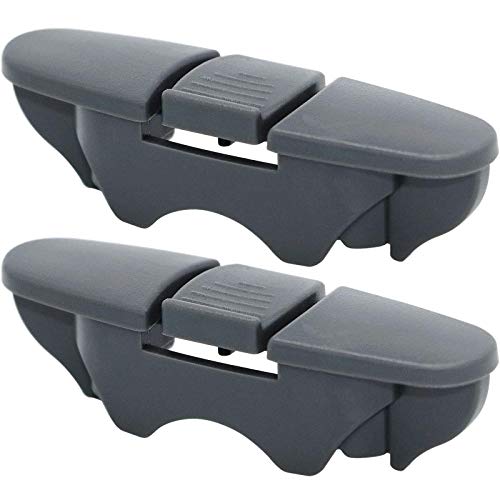
【W10508950 Dishwasher Dishrack Stop Clip】- The W10508950 dishwasher rack stop clip is located on both ends of the slide rail to prevent the upper dishrack from sliding completely out of the slide rail, preventing one of the most common accidents in the kitchen. The W10508950 Whirlpool dishwasher stop clip is made of high quality ABS plastic for durability, and the color is dark grey. ➤W10508950 dishwasher upper dishrack slide rail stop clip solves the FOLLOWING PROBLEMS: ①Slips off the rail when pulling out the dishwasher rack. ②No stop clip. ③Old upper rack stop clip is worn or broken. ④The stop clip separates from the end of the rail

WD12X20171 Clip Lower Rack - A high-quality equivalent for parts WD12X20171, AP5792890, 3028530, and PS8756263.
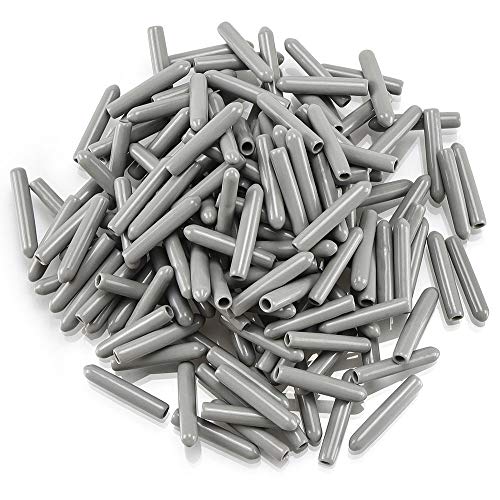
➽WHAT IT IS: Cenipar Dishwasher Rack Fork Restoration End Caps (100 pcs), includes 100* Dishwasher Rack Fork Restoration End Caps. Wire Thread Guards are used to repair rack tooth damage and protect racks, ideal for preventing rust and scratches on wires
Organizing Dishes in the Dishwasher
When loading your dishwasher, arranging dishes strategically is key to maximizing cleaning efficiency. Here’s how to organize your dishes effectively:
- Plates and Bowls: Place plates facing the center for a thorough clean.
- Cups and Glasses: Upside down on the top rack ensures they won’t collect water.
- Pots and Pans: Put larger items on the sides to avoid blocking the water spray.
Remember to group similar items together to make unloading easier later on. With these tips, you’ll have sparkling dishes after every wash cycle.
Recommended Products

VISUAL DISHWASHER SIGN CHORE SYSTEM - Turn daily cleanup into an easy routine with this innovative dishwasher sign pack. An excellent addition to any household chore chart, GuidingTag reusable labels teach kids and adults how to properly load the dishwasher. The clear visual cues naturally support neurodivergent individuals and those with ADHD or special needs, reducing confusion while building independence and responsibility.

EXACT FIT REPLACEMENT – Compatible replacement for part numbers 5304535380, 5304525990, 5304522530, 5304518927 and 5304518928. Replacement for AP7233024 and PS17016309.
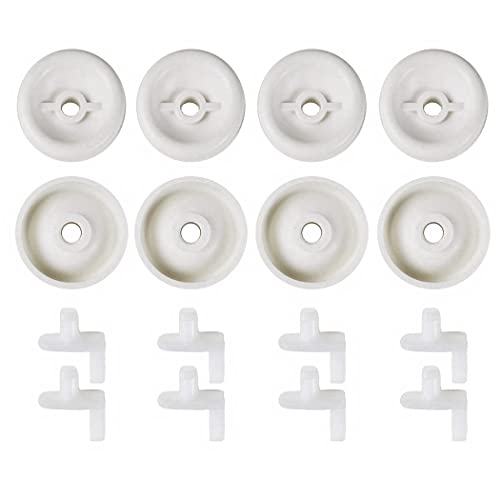
EXACT REPLACEMENT GE DISHWASHER PARTS - CalPalmy offers the exact replacement for manufacturer part number WD35X21038 lower rack wheel kit. This part number replaces several part numbers including part numbers AP5986365, WD12X0272, WD12X0427, WD12X0441, and WD12X10074.
Maximizing Dishwasher Efficiency
When it comes to maximizing dishwasher efficiency, the way you load your dishes can make a significant difference. Proper organization not only ensures cleaner dishes but also optimizes the dishwasher’s performance.
- Keep Similar Items Together: Grouping similar items in the dishwasher can make loading and unloading easier. Separate plates from utensils and cups from bowls to create a more streamlined process.
- Leave Space Between Dishes: Avoid overcrowding the dishwasher. Allow room between dishes to ensure proper water circulation and optimal cleaning.
- Place Items Strategically: Load plates facing the center to maximize water coverage. Upside down cups and glasses on the top rack prevent water from collecting. Place larger items like pots and pans on the sides to prevent blocking the water spray.
- Utilize Top Rack for Delicate Items: Reserve the top rack for delicate items such as wine glasses and fine china. This protects them from the direct spray of water on the lower rack.
- Scrape Food Residues: Before loading dishes, scrape off excess food to prevent clogs and ensure efficient cleaning. Rinsing is optional if the dishwasher will be run shortly.
| Key Points | Numbers/Statistics |
|---|---|
| Maximizing Efficiency | Result in cleaner dishes |
| Proper Organization | Ensures optimal dishwasher performance |
Remember, by following these simple tips, you can maximize cleaning efficiency and enjoy sparkling dishes after every wash cycle.
Conclusion
Now that you’ve learned the art of loading a dishwasher efficiently, you’re on your way to spotless dishes every time. By organizing your dishes strategically, leaving room for water flow, and making use of the top rack for delicate items, you’re maximizing your dishwasher’s potential. Remember to scrape off food residues before loading to ensure a thorough clean. Following these simple steps will not only save you time but also guarantee sparkling dishes after each wash cycle. Happy dishwashing!
Frequently Asked Questions
Q: Why is organizing dishes in the dishwasher important?
A: Organizing dishes in the dishwasher is crucial for optimal cleaning efficiency. Grouping similar items together, leaving space between dishes, and strategic placement maximizes water coverage, resulting in cleaner dishes.
Q: How can I optimize the dishwasher’s performance?
A: To optimize the dishwasher’s performance, utilize the top rack for delicate items, scrape off food residues before loading, and follow recommended loading guidelines. This ensures thorough cleaning and sparkling dishes after each wash cycle.
Q: What are the benefits of following these dishwasher organization tips?
A: Following dishwasher organization tips not only results in cleaner dishes but also extends the appliance’s lifespan and reduces the need for rewashing. It saves time, water, and energy while ensuring the best cleaning results.

Hi, I’m Charlie, and I cover all things laundry here at Appliance Mastery.
I’ve spent over eight years working on washing machines, dryers, and dishwashers. I also have a degree in mechanical engineering, which helps me understand how these appliances really work.
I try to make every guide clear and practical. If you’re stuck with a noisy dryer or a leaking washer, I’ll help you figure out what’s wrong and how to fix it.