
Ever found your dishwasher full of water when you’re ready to tackle a mountain of dirty dishes? Picture this: you open the door, only to be greeted by a pool of standing water. Frustrating, right? But don’t worry, you’re not alone. We’ve all been there. So, what can you do to solve this soggy situation? Well, in this article, you’ll discover simple yet effective ways to drain that dishwasher like a pro.
Signs of a Dishwasher Full of Water
Wondering if your dishwasher is full of water? Here are signs to look out for:
- Standing Water: When you open your dishwasher and see a pool of water at the bottom, it’s a clear indicator.
- Unusual Odors: Detecting musty or foul smells emanating from your dishwasher might imply water stagnation.
- Incomplete Drainage: Dishes coming out still wet or with soap residue can suggest excess water retention.
| Fact | Data |
|---|---|
| Average dishwasher cycle time | 120 minutes |
| Water usage per cycle | 3-7 gallons |
| Ideal dishwasher draining time | 8-9 minutes |
If you notice any of these signs, it’s time to take action and address the water drainage issue promptly.
Check for Blockages in the Drainage System
To effectively drain your dishwasher, start by checking for blockages in the drainage system. Here’s how you can tackle this common issue:
- Clear the Filter: Over time, debris can accumulate in the dishwasher filter, causing blockages. Remove the filter and clean it thoroughly.
- Inspect the Drain Hose: Check the drain hose for any kinks or clogs. Ensure it’s properly connected and free of obstructions.
- Clean the Air Gap: If your dishwasher is equipped with an air gap, inspect it for any blockages. Clean the air gap to ensure smooth drainage.
- Check the Garbage Disposal: The dishwasher drain hose is often connected to the garbage disposal. Verify that the disposal is clear of any blockages that could impede drainage.
Remember, addressing these potential blockages can help you successfully drain your dishwasher and prevent standing water issues.
Recommended Products
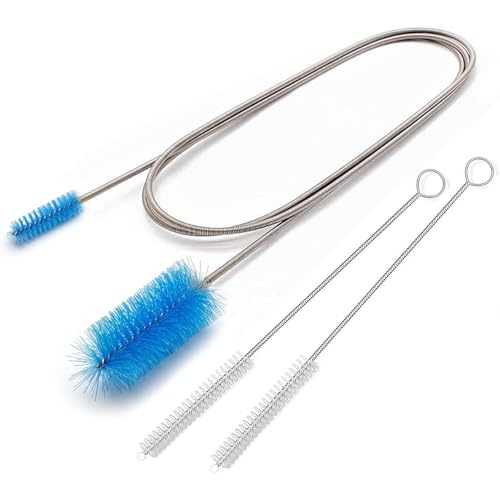
🚫UNCLOG NARROW TUBES INSTANTLY: Tired of water pooling in your fridge or grime clogging your aquarium filters? This 67-inch (170cm) extra-long flexible drain brush is the ultimate problem-solver. It easily snakes through deep, narrow, and curved tubing to effortlessly remove gunky buildup, dirt, and residue.
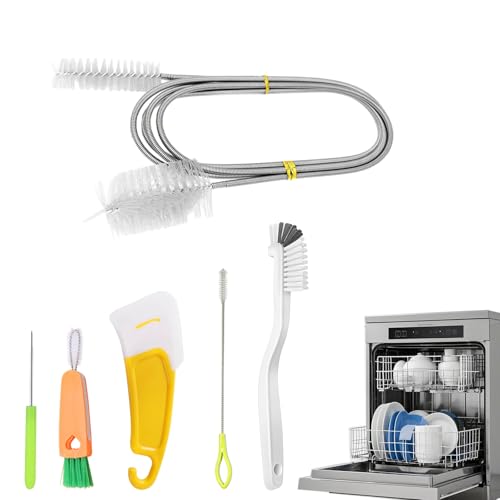
Deep Clean Every Corner Tackle hidden grime with our 6-piece brush kit! Includes a pick, silicone scraper, straw cleaner brush, gap cleaning brush, angle cleaning brush, and flexible tubes brush. Perfect for cleaning inlet/outlet pipes, water jets, and internal crevices. Removes food residue, limescale, and unclogs nozzles effortlessly.
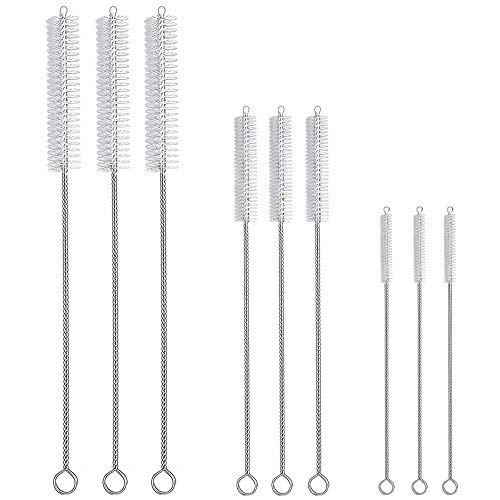
MULTIPLE SIZE – With this set of 9 straws you will get a straw with a diameter of 6 mm, 9 mm and 12 mm, and nylon bristle length of 8 in, 10 in and 12 in. Perfectly fit for 14oz 20oz 30oz 40oz Stanley Cup Straw, Tumbler, Sippy Cup, Baby Bottles, Tervis, CamelBak, Hydroflasks, Yeti, Starbucks Cup and others.
Manually Remove Water from the Dishwasher
If you find your dishwasher full of water, manually removing the water can help address the issue efficiently. Here’s how you can do it:
- Safety First: Before you start, ensure the dishwasher is unplugged to avoid any accidents.
- Using a Cup or Container: Scoop out the water using a cup or container. Start by removing as much water as possible.
- Towels or Rags: To soak up remaining water, place towels or rags at the bottom of the dishwasher.
- Check Drains: Inspect the drain for any debris that might be causing a blockage.
Dealing with a dishwasher full of water can be frustrating, but these steps can help you tackle the issue effectively.
Run a Cleaning Cycle to Prevent Future Water Build-Up
To keep your dishwasher running smoothly and prevent water build-up in the future, running a cleaning cycle is essential. Here’s how you can do it:
- Check Your Dishwasher’s Manual: Refer to the manufacturer’s instructions for specific recommendations on running a cleaning cycle.
- Use a Dishwasher Cleaner: Invest in a dishwasher cleaning agent to effectively remove grease, grime, and mineral buildup.
- Select the Right Cleaning Cycle: Choose a cleaning cycle that works best for maintaining your dishwasher’s performance.
For a hassle-free experience, consider incorporating a monthly routine of running a cleaning cycle to prolong your dishwasher’s lifespan and prevent future drainage issues.
Recommended Products

DEEP CLEANS INNER PARTS: Finish Dishwasher Cleaner Tablets target hidden grease, hardwater buildups, and grime in spray arms, filter, and pipes for a hygienic clean.
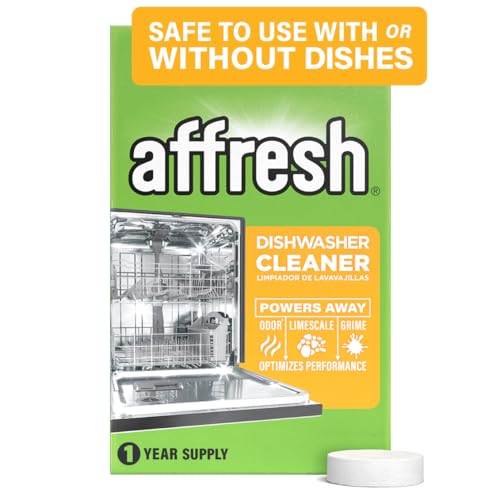
HELPS POWER AWAY SMELLS created by odor causing bacteria, foggy limescale and mineral deposits hiding deep inside the dishwasher’s pump, filter, tub, valve, drain, washer arms and recirculation hoses to help optimize appliance performance.
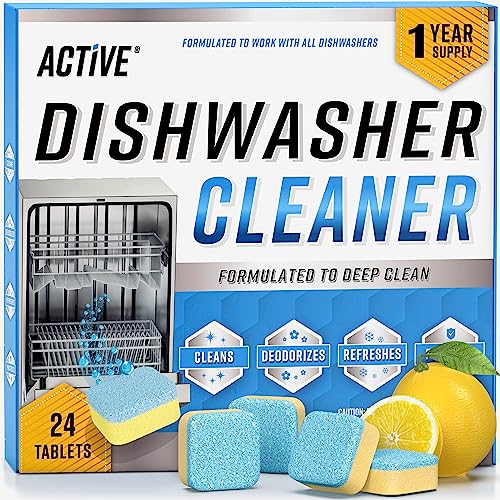
Wide Compatibility - ACTIVE Dishwasher Cleaner is suitable for Most Residential or Commercial Automatic Dishwashing Units. Compatible with GE, Bosch, Frigidaire, LG, Samsung, Whirlpool, Kitchenaid, Kenmore, Maytag, Amana models, all styles including plastic & stainless steel. To ensure proper cleaning, we recommend to monitor your dishwasher during cycle. If you see any foam or water leaking from the machine, stop dishwasher and allow foam and water to drain before continuing
Contacting Professional Help
If you’re still struggling to drain your dishwasher after trying the mentioned solutions, it might be time to seek professional assistance. Here’s when you should consider calling in the experts:
- Persisting Issues: If you’ve attempted multiple methods without success, a professional can identify underlying problems.
- Unusual Sounds or Odors: Strange noises or smells while draining could indicate a larger issue that requires specialized attention.
- Visible Damage: Any visible signs of damage should be promptly assessed and repaired by a professional to prevent further complications.
Remember, professional technicians have the expertise and tools needed to diagnose and resolve complex dishwasher drainage issues efficiently.
Conclusion
If you’ve tried various methods to drain your dishwasher without success, it’s time to seek professional help. Unusual sounds, odors, or visible damage indicate complex issues that experts can efficiently resolve. Technicians have the expertise and tools to diagnose and fix drainage problems, preventing further complications. Don’t hesitate to contact professionals for a quick and effective solution.
Frequently Asked Questions
When should I seek professional help for draining issues with my dishwasher?
If common troubleshooting methods fail, unusual sounds or odors occur during drainage, or there is visible damage to the dishwasher, it’s advisable to contact professional technicians for assistance.
Why is it important to seek professional help for dishwasher drainage problems?
Professional technicians have the expertise and tools to diagnose and efficiently resolve complex drainage issues, preventing further complications that could arise from incorrect diagnoses or repairs.

Hi, I’m Charlie, and I cover all things laundry here at Appliance Mastery.
I’ve spent over eight years working on washing machines, dryers, and dishwashers. I also have a degree in mechanical engineering, which helps me understand how these appliances really work.
I try to make every guide clear and practical. If you’re stuck with a noisy dryer or a leaking washer, I’ll help you figure out what’s wrong and how to fix it.